Ad Creatives Design Guide for Menus
Restaurants need ad creatives that turn a fleeting glance into a reservation or order. This guide breaks down every step—from research to rapid production and data‑driven optimization—so you can launch menu ads that actually move the bottom line. Fol…


1. Strategic Foundations
Audience Persona Blueprint

Start with a data‑driven persona for each dining segment (e.g., brunch millennials, corporate lunchers). Pull demographics from Facebook Audience Insights and purchase intent from Google Keyword Planner. Populate a one‑page canvas with age, income, favorite dishes, and typical spend. Use this canvas to dictate visual tone, copy length, and CTA phrasing. Track persona‑specific CTR and conversion; a well‑defined persona typically lifts ad relevance score by 15‑20%, directly boosting ROI.
Seasonal Hook Matrix

Create a 12‑month matrix linking holidays, local events, and seasonal produce to menu specials. Validate each hook with Google Trends (e.g., "pumpkin spice latte" spikes 250% in October). Assign a headline formula—"[Season] + [Dish] + Limited Time"—and pre‑write copy variations. When a trend spikes, you have a ready‑to‑launch ad asset, cutting creative lead time from 48 hours to under 4. Monitor lift in CVR; successful seasonal hooks often deliver a 1.5‑2× increase in conversion.
Brand Kit Consistency Engine

Compile your brand's color hexes, font families, and voice guidelines into DesignLumo's Brand Kit. Export the same kit to Canva's Brand Settings for cross‑tool consistency. Because layers stay editable, you can swap a headline font in seconds without breaking the layout. Teams that lock brand assets into a shared kit report a 40% reduction in revision cycles and a 12% uplift in brand recall scores across paid media.
2. Design Production Workflow
AI Prompt Generator for Menu Ads

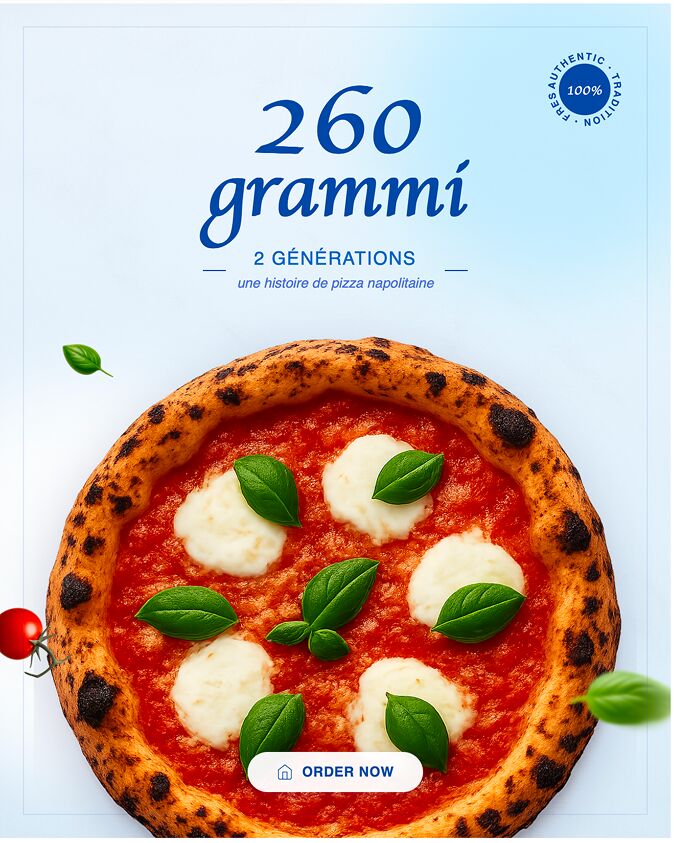
Write a precise prompt for DesignLumo: "Create a 1080×1080 Instagram ad for a coffee shop promoting pumpkin spice latte, amber background, bold sans‑serif headline, CTA button ‘Order Now’ in contrasting teal, include space for QR code on lower right." Run the prompt, download the layered PSD, and instantly edit copy or pricing in Photoshop or directly in DesignLumo. This eliminates template hunting and reduces asset creation time from 2 hours to ~15 minutes per version.
Layered Template Hybrid (DesignLumo + Canva)

Generate a base design with DesignLumo that includes editable text, vector icons, and placeholder images. Import the PSD into Canva, preserving layers, to let copywriters tweak headlines or swap stock photos from Unsplash without designer intervention. Because Canva’s drag‑and‑drop UI is familiar, the hand‑off takes ~5 minutes. Teams report a 30‑minute per‑ad time saving and a 20% increase in rapid‑test throughput.
Dynamic QR Code Integration
Use QRCode Monkey’s API to generate a 300 dpi vector QR linking to a seasonal digital menu. In DesignLumo, add the QR as a separate layer, lock it, and position it in the lower‑right corner where the eye naturally travels. Track scans with UTM parameters and Google Analytics; a well‑placed QR can lift click‑through by 12‑18% on print flyers and drive measurable foot traffic.
3. Optimization & Testing
A/B Creative Split Testing Framework
Set up two ad variants in Facebook Ads Manager: Variant A uses a lifestyle photo, Variant B uses a flat‑lay of the dish. Keep the headline identical to isolate visual impact. Run a 3‑day learning phase with a 5% spend split. Measure conversion rate lift; aim for >2% absolute increase before scaling. DesignLumo lets you swap the image layer in seconds, so you can iterate 3‑4 times per week without re‑designing from scratch.
Heatmap‑Driven Visual Hierarchy Tuning

Deploy Hotjar on the landing page that receives ad clicks. Identify where users hover and click most often. If the CTA button receives <5% interaction, reposition it to the top‑right corner in the ad design and increase its size by 15%. After the change, monitor a 15‑20% uplift in CTR within two weeks. This data‑backed tweak turns a static design into a conversion engine.
Automated Asset Refresh Scheduler

Connect a Google Sheet listing monthly specials to Zapier. When a new row is added, Zapier triggers a DesignLumo prompt that auto‑generates a layered ad with the updated dish name and price. The resulting PSD is saved to a Dropbox folder, and a Slack notification alerts the copy team. This automation eliminates manual hand‑offs, ensuring fresh creatives are live within 24 hours of a menu change, boosting seasonal relevance by 30%.
Before you go
- Batch generate 5‑10 ad concepts in one DesignLumo session, then A/B test the top three to maximize creative velocity.
- Use the same QR code color as your brand accent to improve scan rates; contrast alone isn’t enough.
- Export layered assets as both PNG for social and PDF/X‑1a for print to keep one source file serving all channels.
Ready to create your first design?
Join thousands creating professional designs in seconds.
Create with DesignLumo
Related Resources
TikTok Menu Design Toolbox for Restaurants
Essential AI and video tools to create TikTok menu covers, overlays, and cross‑platform promos.
Pinterest Menu Design Toolkit for Restaurants
Tactical tools & workflows to create high‑converting Pinterest menu pins fast.
Back to School Menu Marketing Blueprint
Actionable guide to create, design, and launch high‑impact back‑to‑school menus for food venues.
Instagram Menu Design Toolkit
The ultimate guide to fast, editable Instagram menus for restaurants and cafes.
Twitter/X Menu Design Ideas That Drive Sales
Actionable X post graphics to showcase menus, specials, and brand personality.
Etsy Menu Design Toolkit for Restaurants
Actionable tools to create, update, and sell restaurant menus on Etsy.