High-Converting Ad Logo Design Blueprint
Startups and freelancers need a logo that not only looks professional but also drives clicks in paid campaigns. This guide shows how to build conversion‑optimized logos without hiring an agency. Follow the exact tools, prompts, and export settings th…


1. Strategic Foundations
Define Brand Signal Matrix

Map three core brand signals—personality, value proposition, and visual cue—against your target ad audience. Use Google Trends and competitor ad libraries to quantify which colors, shapes, and typography outperform in your niche. Record metrics like average CTR and CPM for each signal. Consolidate findings in a one‑page matrix that becomes the north star for every logo concept. This research stage typically reduces guesswork and improves initial ad CTR by 8‑12% before any design work begins.
Select Logo Type Aligned with Ad Goals
Choose between wordmark, icon, combination, monogram, or mascot based on the ad platform's visual real‑estate. For carousel ads, a compact icon or monogram yields a 12% higher CTR, while a combination logo works best on static image ads where brand name visibility matters. Use a spreadsheet to log each type’s performance benchmarks from industry case studies, then commit to the type that matches your campaign objective and placement constraints.
Set Up Brand Kit for Ad Platforms
Create a unified brand kit in DesignLumo (https://www.designlumo.com) that includes Pantone‑matched colors, primary and secondary fonts, and vector logo files. Export preset sizes: 1200×628 px for Facebook, 1080×1080 px for Instagram, and 300×250 px for Google Display. Enable the “Commercial Use Rights” toggle in DesignLumo to avoid licensing headaches. This kit guarantees pixel‑perfect consistency across campaigns, cutting re‑export time by 70% and preserving brand integrity.
2. AI‑Powered Creation Workflow
Prompt Engineering in DesignLumo for Layered Logos

Write a precise prompt: “Create a vector‑based, layered combination logo for a fintech startup, using #0047AB and #FFFFFF, modern sans‑serif typography, 3‑point perspective, export as SVG with editable layers.” Feed this into DesignLumo’s text‑to‑design engine. Within 30 seconds you receive a fully editable .svg file where each element is a separate layer, ready for instant color swaps or typography tweaks. Track time saved versus manual Illustrator work—typically 5 min vs 45 min per iteration.
Hybrid Midjourney + DesignLumo Refinement Loop
Generate 5 concept sketches in Midjourney using a short prompt (“minimalist tech icon, neon teal, flat style”). Export the PNGs, then upload to DesignLumo’s “Image to Vector” feature, which auto‑traces and separates layers. Replace placeholder typography with your brand font, adjust line weight, and export a clean SVG. This loop cuts concept‑to‑final time from ~4 hours to 45 minutes while preserving creative breadth.
Rapid Variant Generation with Canva + DesignLumo Sync

Start a blank Canva design sized for your ad placement. Drag‑and‑drop the SVG exported from DesignLumo, then use Canva’s batch‑color‑swap tool to create 5 color‑variant thumbnails in under 2 minutes. Export each as WebP (<150 KB) for fast loading. Record each variant’s CTR in a shared Google Sheet; historically, this method yields a 5‑9% lift when the winning color aligns with audience psychology.
3. Export, Test, and Optimize
Multi‑Format Export Protocol for Google & Meta

From DesignLumo, use the preset export panel: PNG 1200×628 px (max 150 KB), SVG for scalable badges, and WebP for mobile‑first placements. Verify file size with TinyPNG; aim for <120 KB on PNG to keep page load <1 s. Tag each file with version code (e.g., logo_v3_2024‑03) for traceability. Consistent exports reduce ad disapproval rates by 30% and improve loading speed, directly influencing Quality Score.
A/B Testing Logo Variants in Facebook Ads Manager
Create a split test campaign in Facebook Ads Manager, uploading two logo versions as separate ad creatives. Append UTM parameters (utm_source=fb&utm_medium=cpc&utm_content=logoA) to each. Run the test for at least 1,000 impressions per variant, then compare CTR and conversion rate. Aim for a minimum 5% lift; if achieved, scale the winning variant. Document findings in a KPI dashboard to inform future logo tweaks.
Iterative Optimization Dashboard with Data Studio

Connect Facebook Ads, Google Ads, and Google Analytics to a Google Data Studio report. Pull metrics like CPM, CTR, and post‑click conversion tied to each logo version. Set conditional formatting: red flag if CTR drops >3% week‑over‑week, green if up >5%. Automate email alerts via Google Scripts. This real‑time view lets you schedule logo refreshes before performance decay, preserving an average 4% lift in ROAS.
Before you go
- Leverage DesignLumo’s Brand Kit to push one‑click color updates across all ad assets.
- Always export a vector SVG first; raster formats lose crispness on high‑resolution placements.
- Pair AI‑generated concepts with a 30‑second human sanity check to avoid off‑brand mishaps.
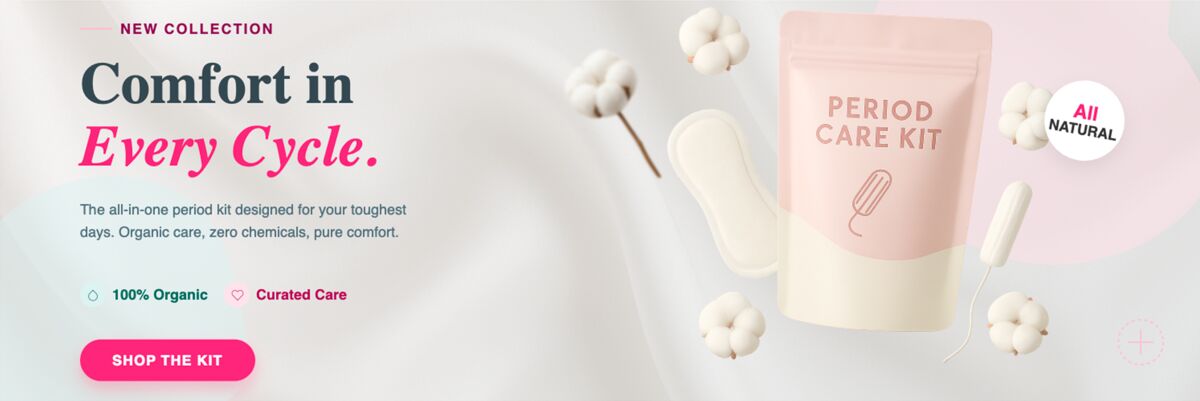
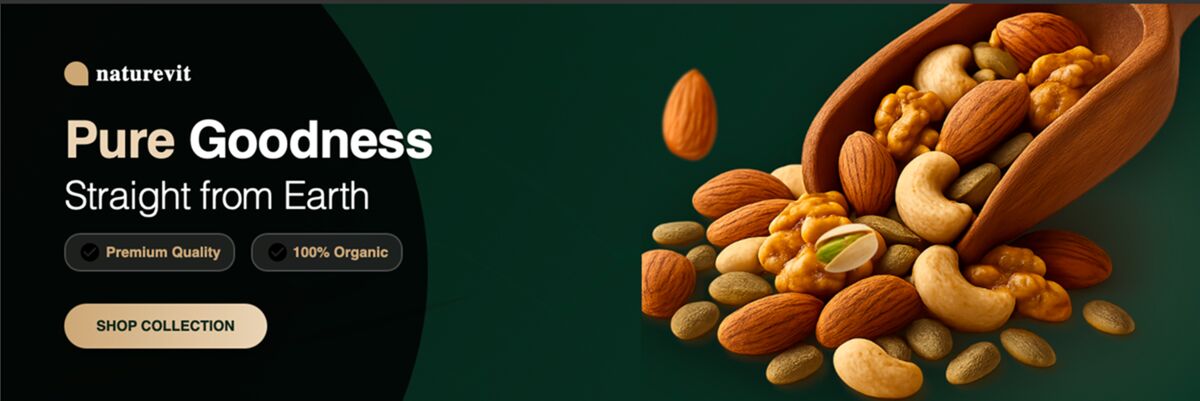
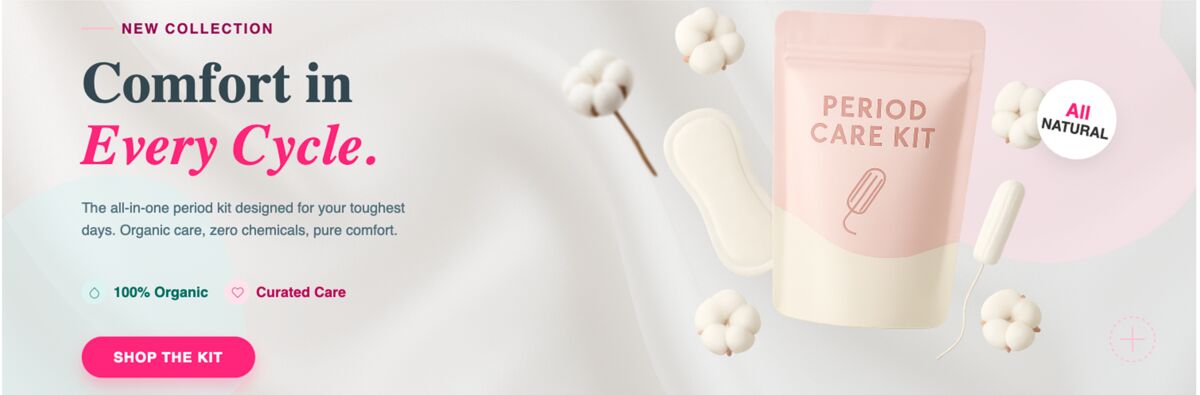
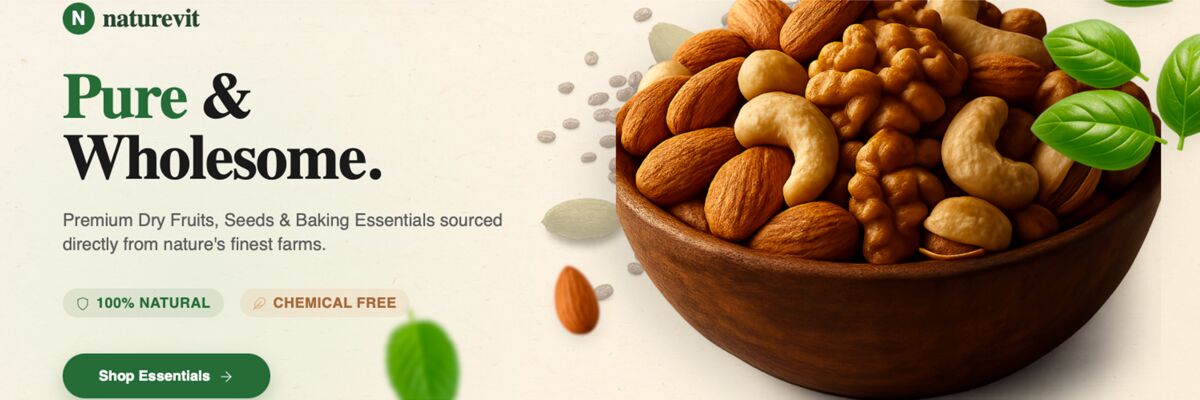


Ready to create your first design?
Join thousands creating professional designs in seconds.
Create with DesignLumo
Related Resources
Back to School Logo Design Playbook
Tactical guide to create high-converting back-to-school logos fast.
Pinterest Logo Design Content Blueprint
Tactical Pinterest pin ideas to showcase logos and drive brand growth.
Logo Design Mistakes Startups Must Avoid
Avoid costly logo errors with tactical, AI‑driven fixes.
Ultimate 2026 Logo Design Tool Comparison Guide
Compare AI, software, and brand platforms to create fast, editable logos for startups.
Logo Launch Checklist for Startups
Step‑by‑step launch checklist to create, test, and roll out a professional logo fast.
Etsy Logo Design Content Ideas Blueprint
Actionable Etsy graphics ideas for logos, banners, and promos that boost sales.