Running a Weekly Creative Sprint for Social Media Agencies
Learn a structured weekly rhythm to brief, produce, review, and deliver high‑volume social assets while keeping brand consistency and cutting revisions.
Last‑minute requests force designers into reactive mode. Turnaround spikes, brand guidelines slip, and revision loops balloon. The result? Higher billable hours for the same client count.

Why Ad‑Hoc Creative Chokes Agency Growth
- Inconsistent fonts or colors across carousels.
- Multiple rounds of client feedback per asset.
- Burnout as designers scramble to meet weekly deadlines.
A predictable cadence beats chaos every time – it’s the engine that lets agencies scale without hiring a full‑time designer per client.
Set the Sprint Cadence: Monday Brief, Thursday Review
Lock a four‑day window for each client’s creative batch. Monday morning is the brief sync; Thursday afternoon is the final review before assets move to scheduling.
- Monday 9 AM – Account managers upload copy, objectives, and brand assets into a shared brief doc.
- Tuesday 10 AM – Designers pull the brief, confirm deliverables, and allocate effort.
- Wednesday – Production day.
- Thursday 3 PM – Internal QA and client sign‑off.
A fixed deadline creates accountability. When the clock ticks, the team focuses on what matters most.
Sprint Planning: Brand Kits, Asset Types, and KPI Alignment
Before the sprint starts, gather each client’s brand kit in one place – fonts, color codes, logo variations, and tone guidelines. Store them in a shared Figma library or Dropbox folder.
- Define the exact asset mix: 3‑panel carousel, 2 story templates, 1 ad creative, 1 quote card.
- Map each asset to a KPI – reach, click‑through, or conversion.
- Assign owners: copy to the account manager, design to the senior designer.
When every piece knows its purpose, revisions drop dramatically.
Production Day: Leverage AI‑First Tools for Speed and Editability
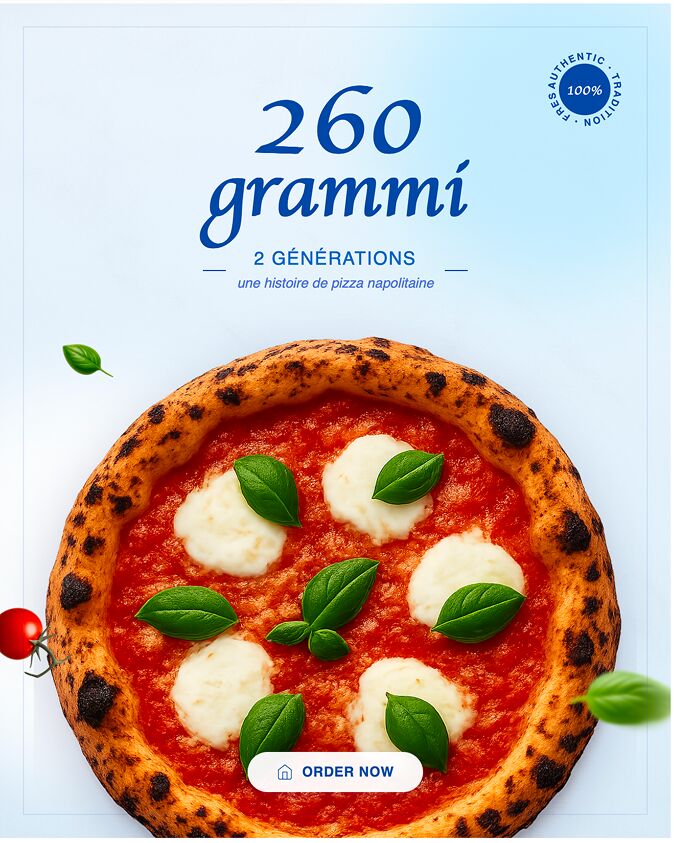
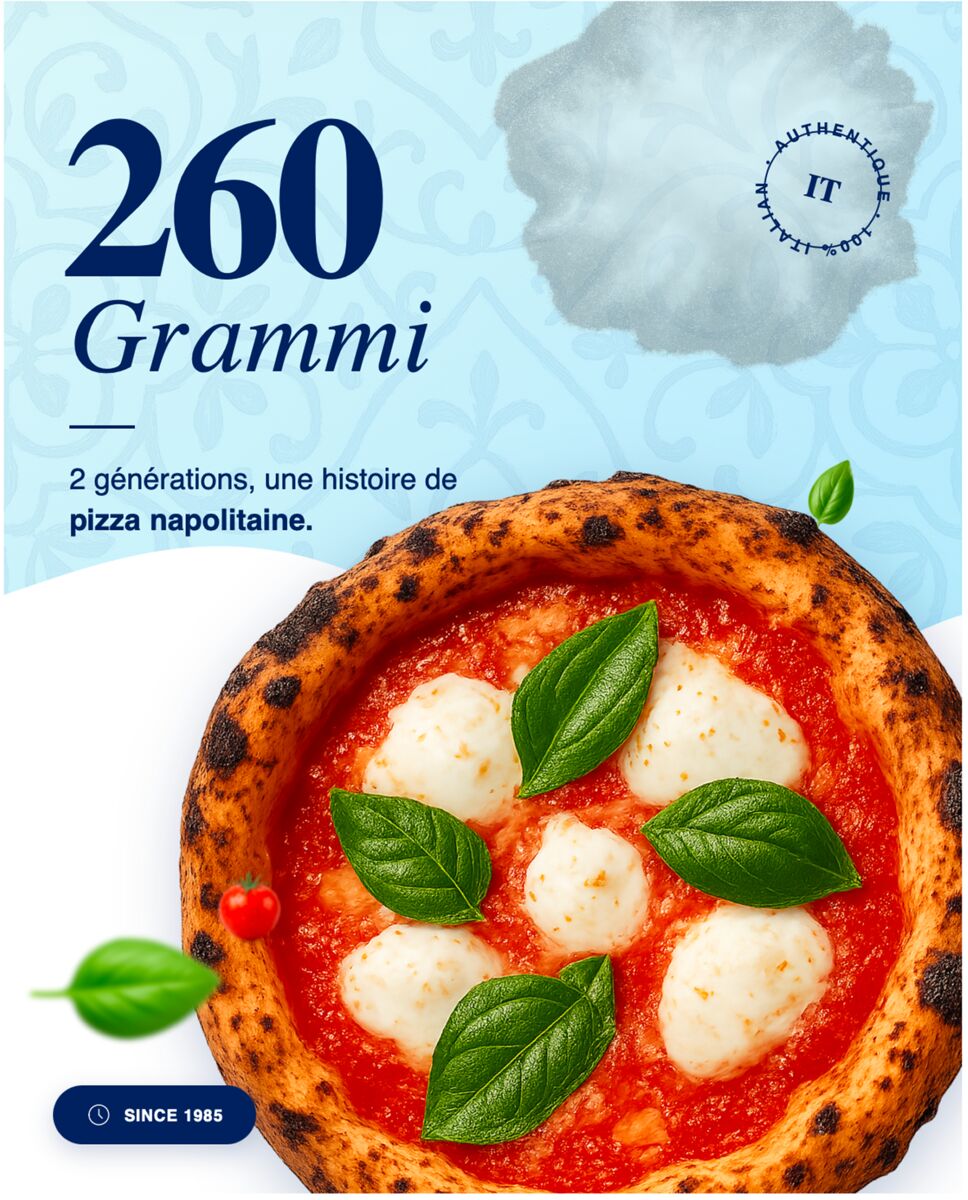
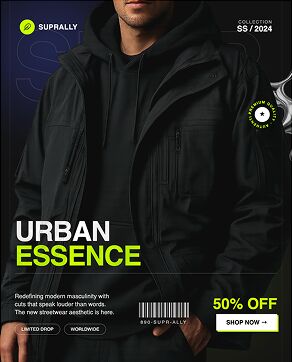
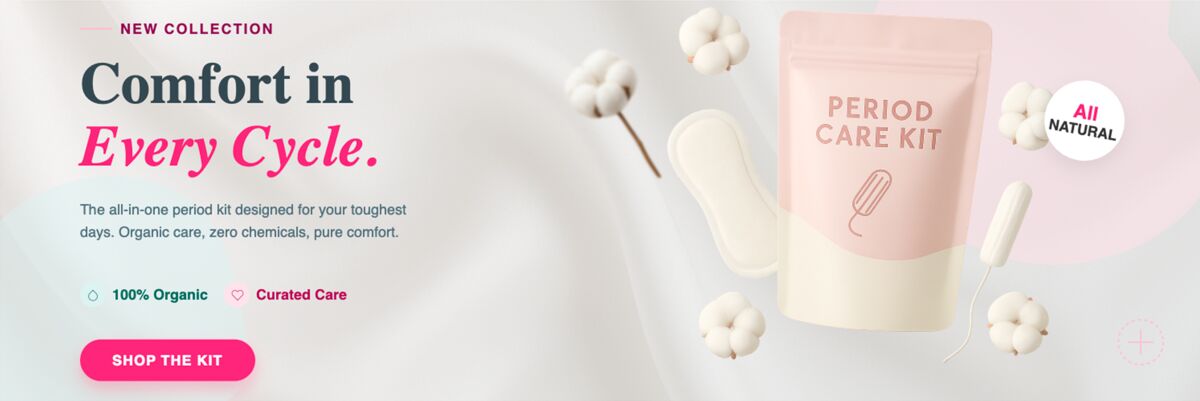
Instead of building from static templates in Canva, generate fully editable files from plain text prompts. DesignLumo creates layered Photoshop or Figma files that you can tweak instantly.
A typical workflow: copy the brief into DesignLumo’s Ad Creative Maker, select the brand kit, and hit generate. Export the .fig file directly into your Figma workspace for quick tweaks.
- Use Adobe Express for quick GIFs or motion overlays.
- Pull story frames into Figma for consistent sizing.
- Batch‑export PNGs for Hootsuite or Later.
AI‑generated, fully editable assets give the same creative control as hand‑crafted designs, but in a fraction of the time.
Review & Approval: Cut the Revision Loop
Create a single Google Slides deck per client that houses all assets with version numbers. Clients comment directly on the slide, so designers see exact feedback without back‑and‑forth emails.
If a client asks for a color tweak, adjust the layer in the original DesignLumo file and re‑export – the deck updates automatically.
- Limit revisions to two rounds per sprint.
- Use a checklist: brand compliance, copy accuracy, CTA visibility.
- Mark approved assets with a green badge in the deck.
Centralized feedback + editable source files turn a 5‑day revision nightmare into a 30‑minute cleanup.
Delivery & Scheduling: One‑Click Export to Your Social Stack
From the approved deck, bulk‑download assets into a folder named by week and client. Then use Later’s bulk upload feature or Hootsuite’s CSV scheduler to line up posts.
- Rename files with the posting date and platform (e.g., 2024‑04‑15_IG_Carousel1.png).
- Upload to Later → “Schedule All” → verify captions from the brief.
- Set automated reminders for any last‑minute copy edits.
When the hand‑off is automated, the team spends more time strategizing and less time shuffling files.
Metrics & Continuous Improvement
At the end of each sprint, pull performance data from Sprout Social or Meta Insights. Compare against the KPI map set during planning.
- Identify assets that exceeded CTR benchmarks – replicate the design pattern.
- Flag low‑engagement pieces – revisit copy or visual hierarchy.
- Log time spent per asset type to refine future capacity planning.
A data‑driven sprint loop turns creative output into a growth engine rather than a cost center.
Topics covered
Create with DesignLumo










Ready to create your first design?
Join thousands creating professional designs in seconds.
Related articles
A/B Testing Email Visuals: What Actually Moves the Needle for Agencies
Learn which email header and hero image elements to A/B test, how to structure experiments, and read results that boost e‑commerce and SaaS campaigns.
A/B Testing Ad Visuals: What Actually Moves the Needle for YouTube Growth Agencies
Learn the visual elements that truly boost thumbnail CTR for YouTube agencies, how to structure A/B tests, and read results that drive growth.
Ad Creative Formats That Actually Convert in 2026
Discover the 4 LinkedIn ad creative formats that drive real B2B leads in 2026 and how agencies can produce them at scale with AI tools.