Seasonal Ad Campaign Planning: Creative That Converts Year-Round
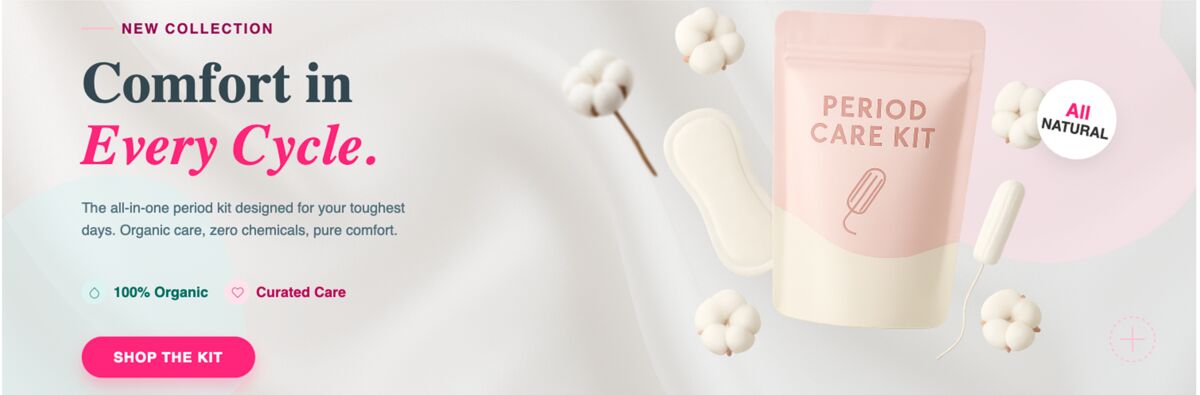
Learn how email marketing agencies can plan, produce, and reuse seasonal hero images and banners—including key dates, modular templates, and AI‑generated variants—to boost conversion year‑round.
Start each fiscal year by plotting every major retail and SaaS holiday on a shared timeline. Your brief should reference the exact date, theme, and expected promotion type.

Map the Seasonal Calendar Early
- New Year & Resolutions – Jan 1
- Valentine’s Day – Feb 14
- Spring Sale – Mar 20
- Mother’s/Father’s Day – May
- Back‑to‑School – Aug
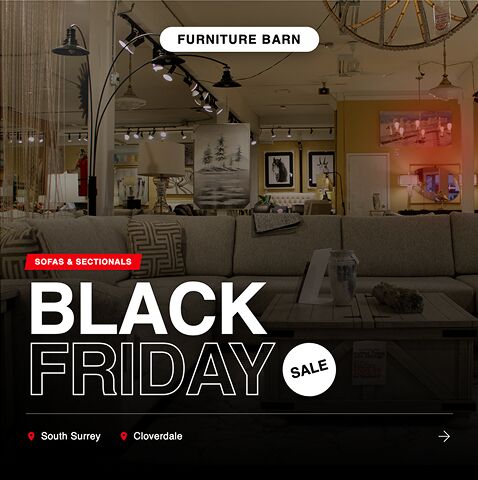
- Black Friday / Cyber Monday – Nov
- Holiday & End‑of‑Year – Dec
A calendar that’s visible to copy, design, and tech teams eliminates last‑minute rushes and keeps A/B testing on schedule.
Build a Master Asset Library
Create a single source of truth in Google Drive or a DAM where every seasonal graphic lives. Organise by year > quarter > campaign for instant retrieval.
- Folder: 2024 > Q1 > Valentine’s
- Sub‑folder: Hero Images
- Sub‑folder: Banners
- Sub‑folder: SMS Assets
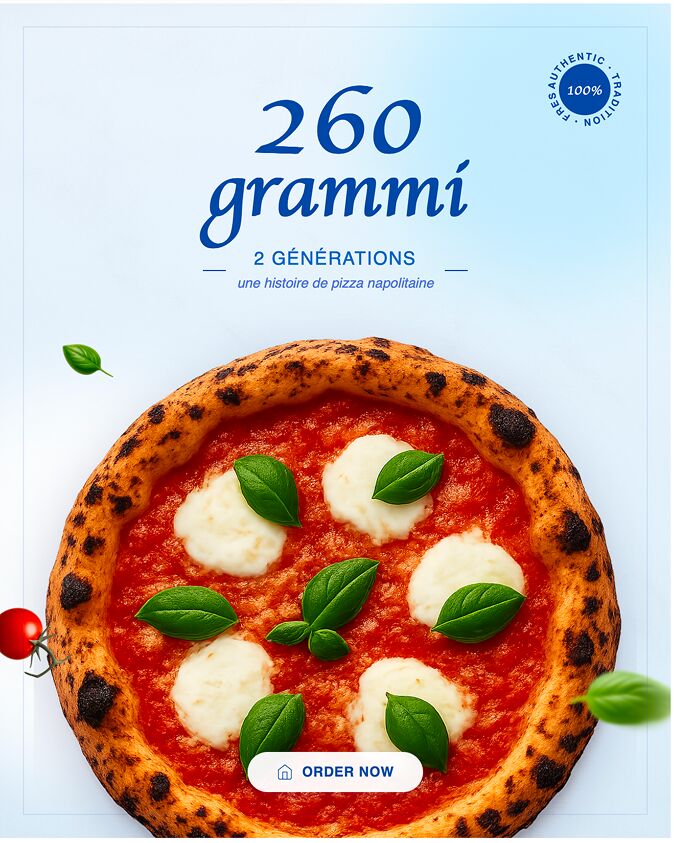
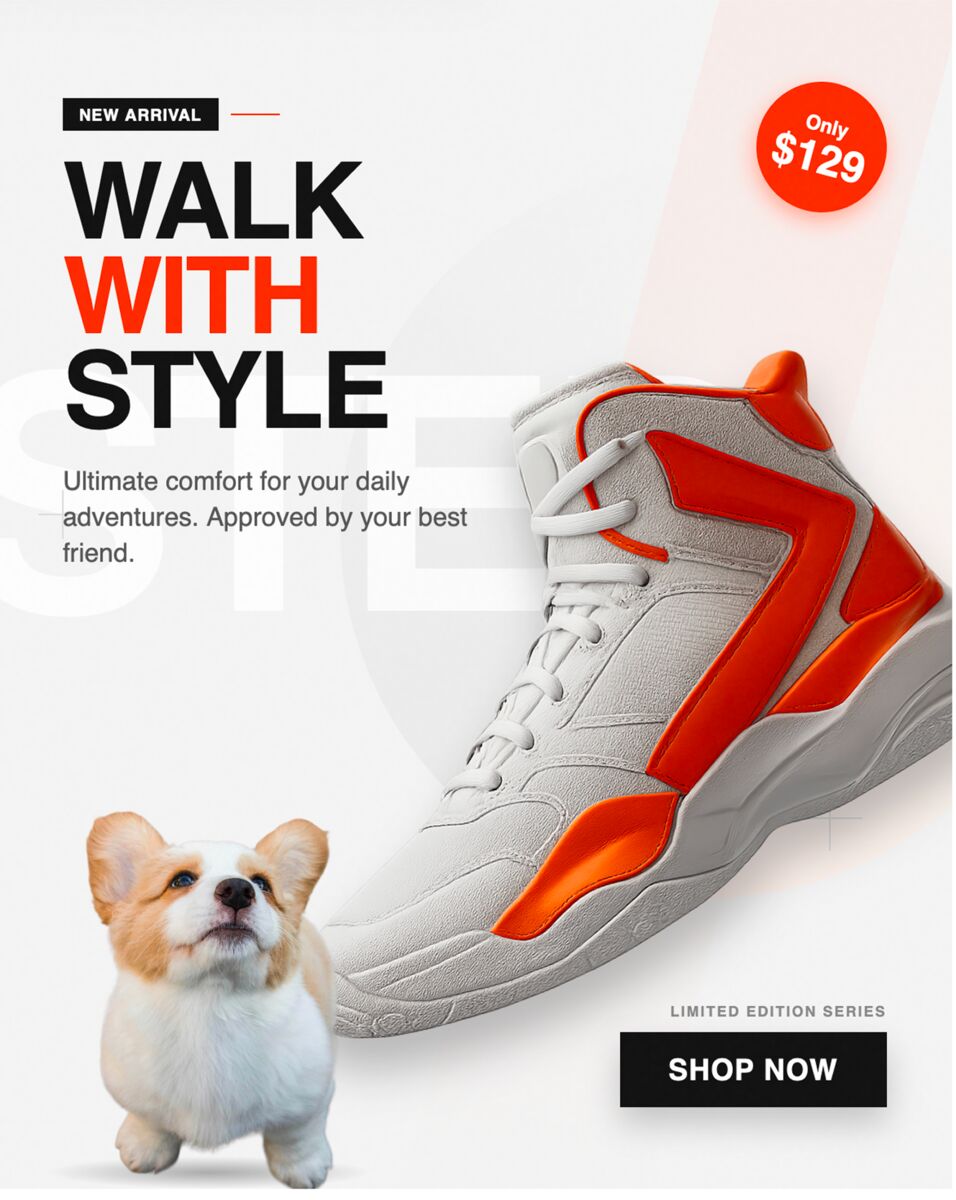
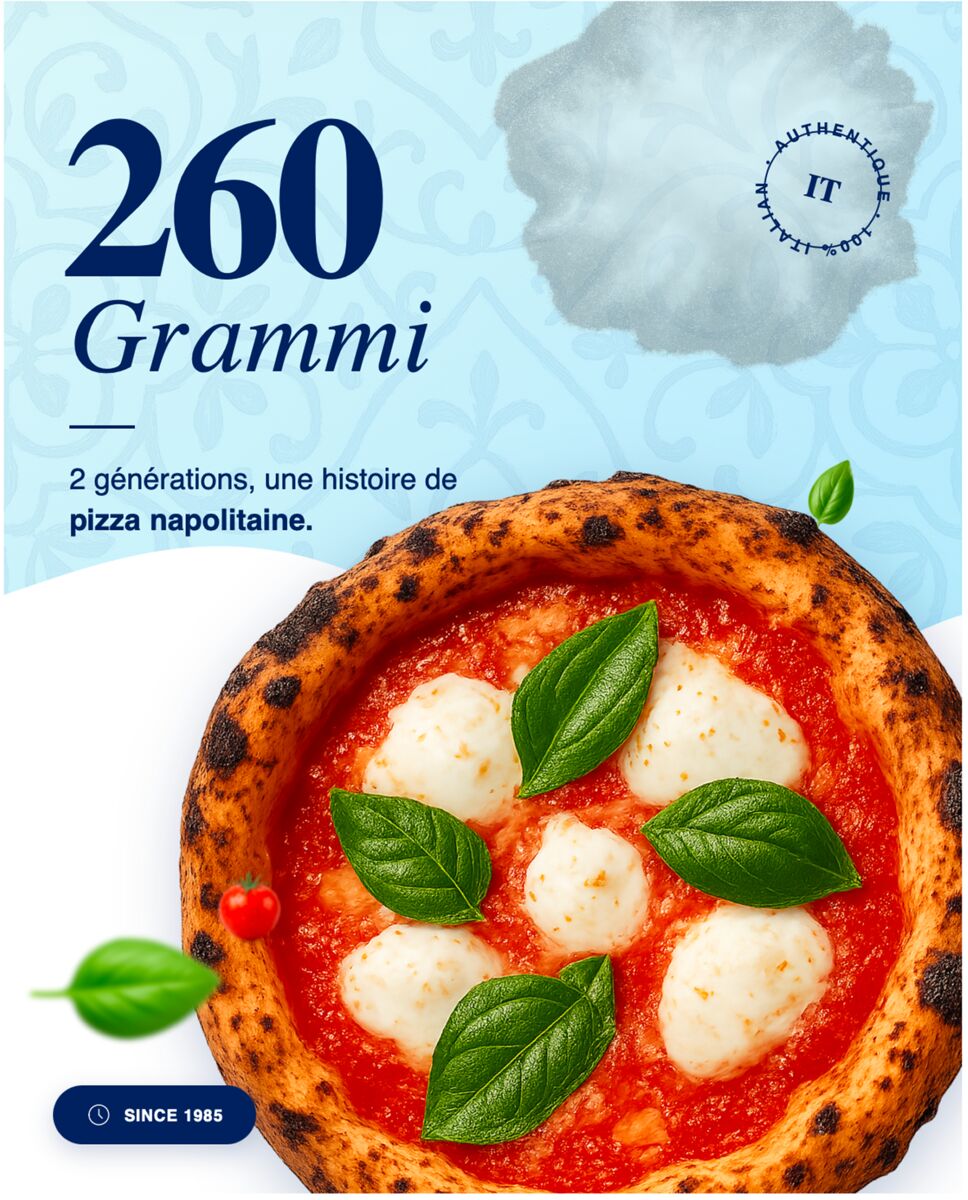
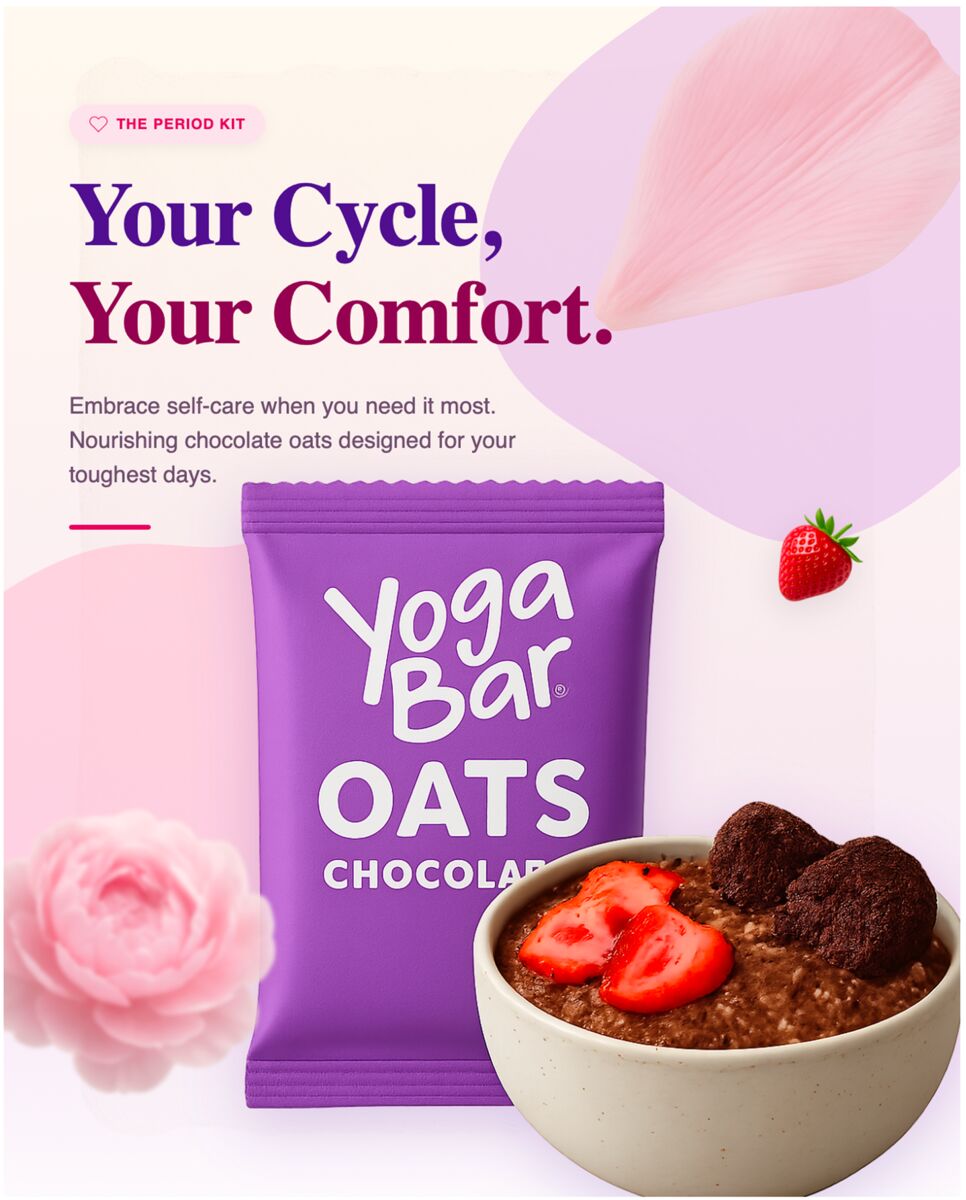
When you need a fresh look, spin up new variants in AI Marketing Design instead of hunting for a static template.
Create Modular Header Templates
Design one flexible header that can be re‑coloured, re‑texted, and re‑sized without rebuilding from scratch. Keep layers separate in Figma so copy can be swapped in minutes.
- Background image – seasonal motif
- Headline text layer – dynamic copy
- CTA button – brand‑consistent style
- Accent overlay – colour‑coded per promotion
Modular headers turn a 4‑hour design sprint into a 30‑minute copy swap.
Leverage AI‑First Design for Variants
Instead of manually tweaking each version, generate multiple concepts with Email Header Maker. Prompt the AI with the same brief and let it output fully editable layers.
- Enter campaign theme and brand colors
- Select output format – Photoshop, Sketch, or Figma
- Download the layered file and replace copy in seconds
- Export PNGs for Litmus previews
Run A/B tests on at least three AI‑generated variants to discover which visual language drives the highest open and click rates.
Embed Assets Directly into Email Builders
Save time by uploading finalized headers to Klaviyo or Mailchimp’s asset libraries. Tag each file with the campaign name so the build team can drag‑and‑drop without searching.
- Klaviyo: Content > Files > Upload > Tag
- Mailchimp: Content Studio > Add > Tag
- Set alt‑text that matches the headline for accessibility
When the design lives inside the email platform, the handoff disappears.
Measure, Iterate, and Reuse
After each send, pull open, click, and conversion data in Litmus or your ESP’s analytics. Identify which visual elements performed best.
- High open → hero image colour or layout
- High click → CTA button style
- Low conversion → mismatch between copy and visual
Archive winning assets in the master library with performance tags. Re‑use them for next year’s campaign, adjusting only the dates and copy.
Topics covered
Create with DesignLumo





Ready to create your first design?
Join thousands creating professional designs in seconds.
Related articles
A/B Testing Email Visuals: What Actually Moves the Needle for Agencies
Learn which email header and hero image elements to A/B test, how to structure experiments, and read results that boost e‑commerce and SaaS campaigns.
A/B Testing Ad Visuals: What Actually Moves the Needle for YouTube Growth Agencies
Learn the visual elements that truly boost thumbnail CTR for YouTube agencies, how to structure A/B tests, and read results that drive growth.
The Email Creative Brief Template Performance Agencies Need
A fill‑in‑the‑blank email creative brief that cuts revisions, speeds hero image production, and powers A/B testing for e‑commerce and SaaS campaigns.