Creative Onboarding: Getting Brand Assets Right From Day One for Full‑Service Agencies
Learn a step‑by‑step framework for collecting brand guidelines, setting expectations, and producing the first content batch without bottlenecks.
Every campaign launches on a timeline you set with the client. Missing a logo file or using the wrong Pantone forces re‑work that eats into billable hours. A clean brand asset repository cuts average creative turnaround from 7 days to 3 days across a 30‑client roster.

Why Brand Asset Hygiene Matters for Agency Speed
Inconsistent branding is the silent revenue drain—fix the input, and the output runs itself.
Standardize the Asset Intake Form
Create a single Google Form or Typeform that every new client fills before the first strategy call. The form becomes the contract for visual assets and eliminates back‑and‑forth email threads.
- Logo files (AI, SVG, PNG) – include clear space guidelines
- Primary & secondary color hex codes or CMYK values
- Approved typefaces with web‑font links
- Tone‑of‑voice bullet points and tagline library
- Sample ad creatives or previous campaign assets
Audit the Existing Brand Kit in One Sprint
Assign a junior designer to run a 2‑hour audit once the intake form is submitted. The goal is a binary pass/fail list that tells you what’s ready and what needs clarification.
- File format matches agency standards (AI for print, SVG/PNG for digital)
- Resolution meets at least 300 dpi for display ads
- Brand colors are defined in both HEX and Pantone
- All copy is approved for legal compliance
A sprint audit turns a vague brand folder into a production‑ready asset set within 48 hours.
Create a Living Brand Guide in Figma (or Notion) and Lock It Down
Instead of a static PDF, publish a shared Figma file that contains color swatches, text styles, and component symbols. Link it in your project management board so every designer pulls from a single source of truth.
- Add a page for each platform (Meta, Google, Email) with size specs
- Use Figma’s Team Library to publish styles globally
- Set file permissions to “view‑only” for client stakeholders
- Schedule a quarterly review to capture brand refreshes
Build the First Content Batch with AI‑First Tools
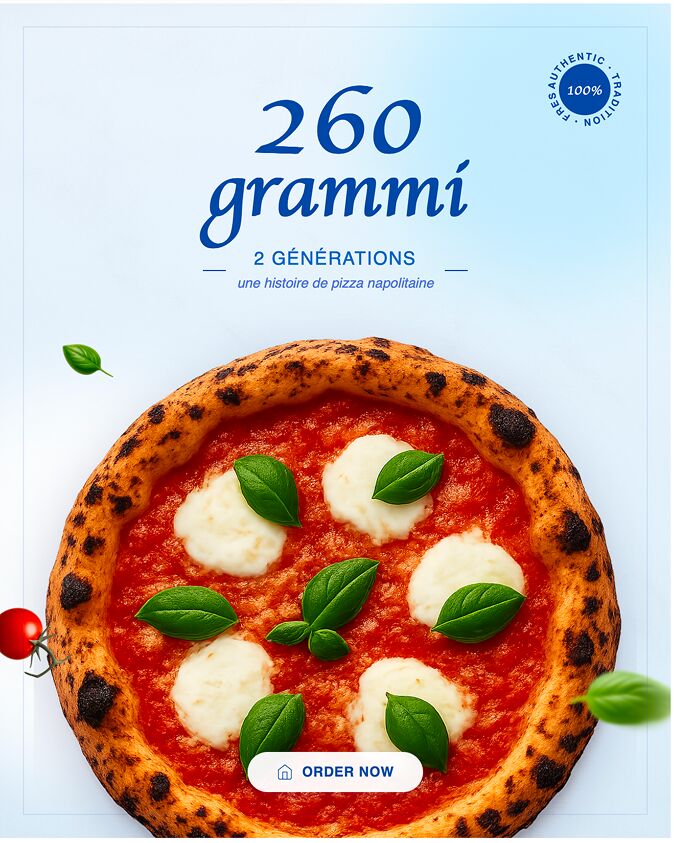
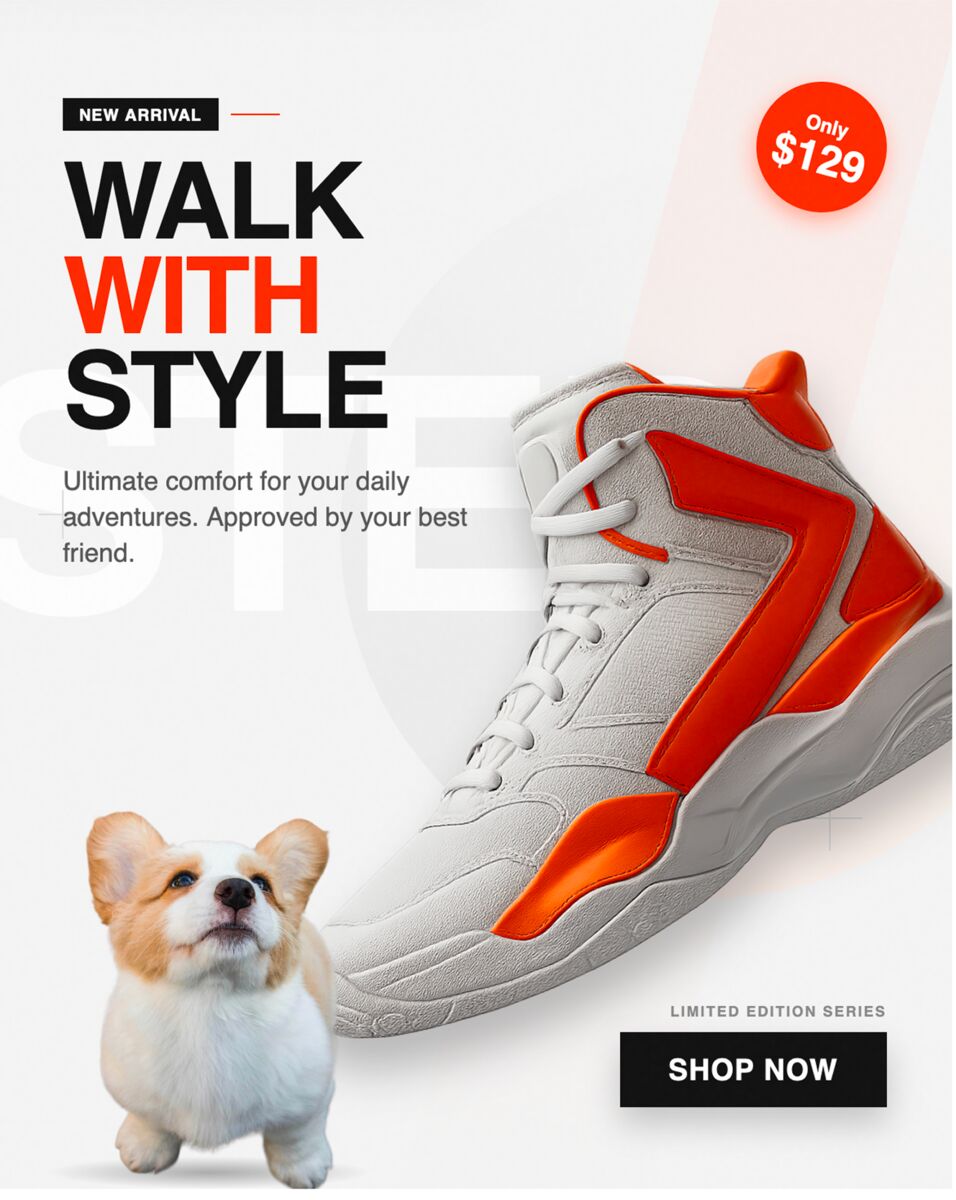
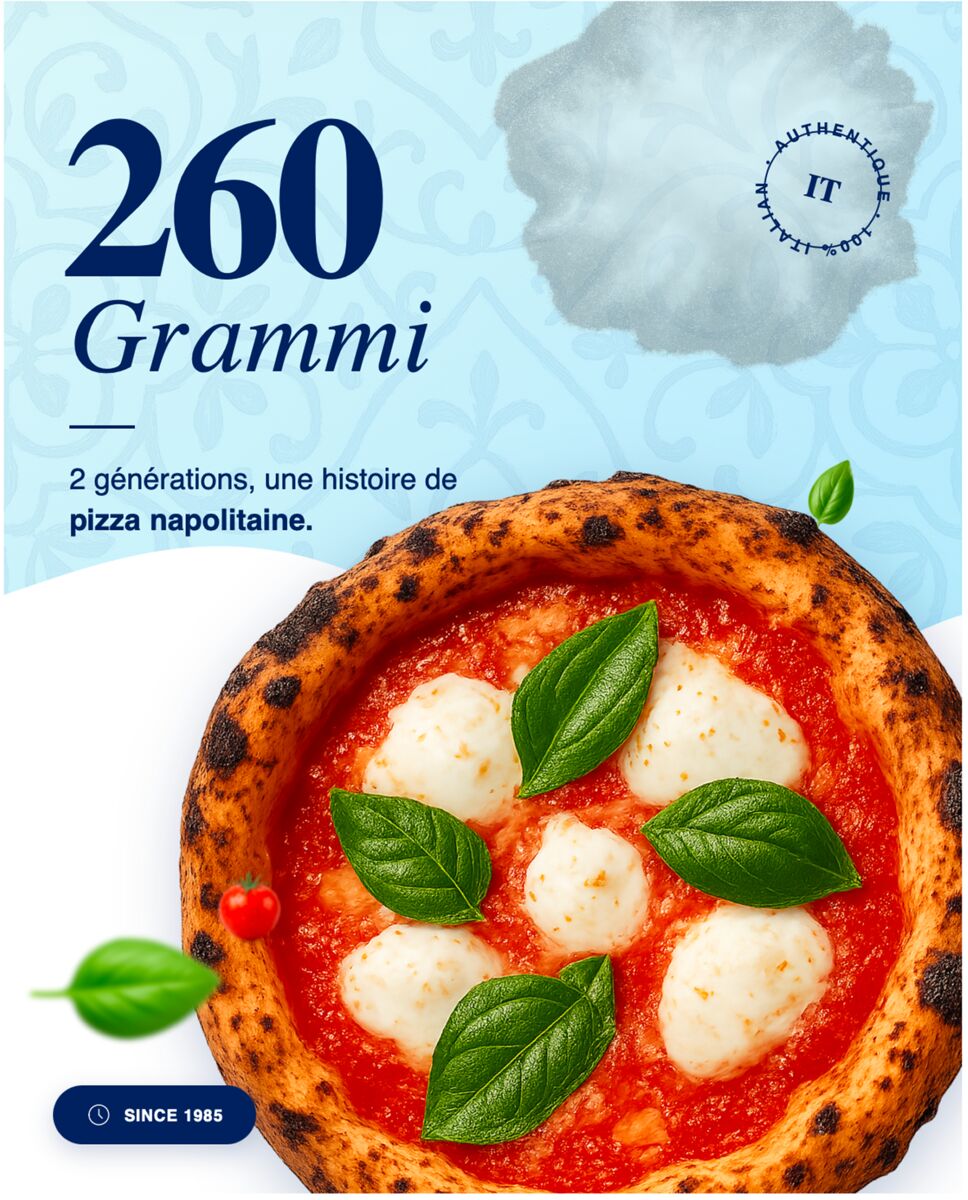
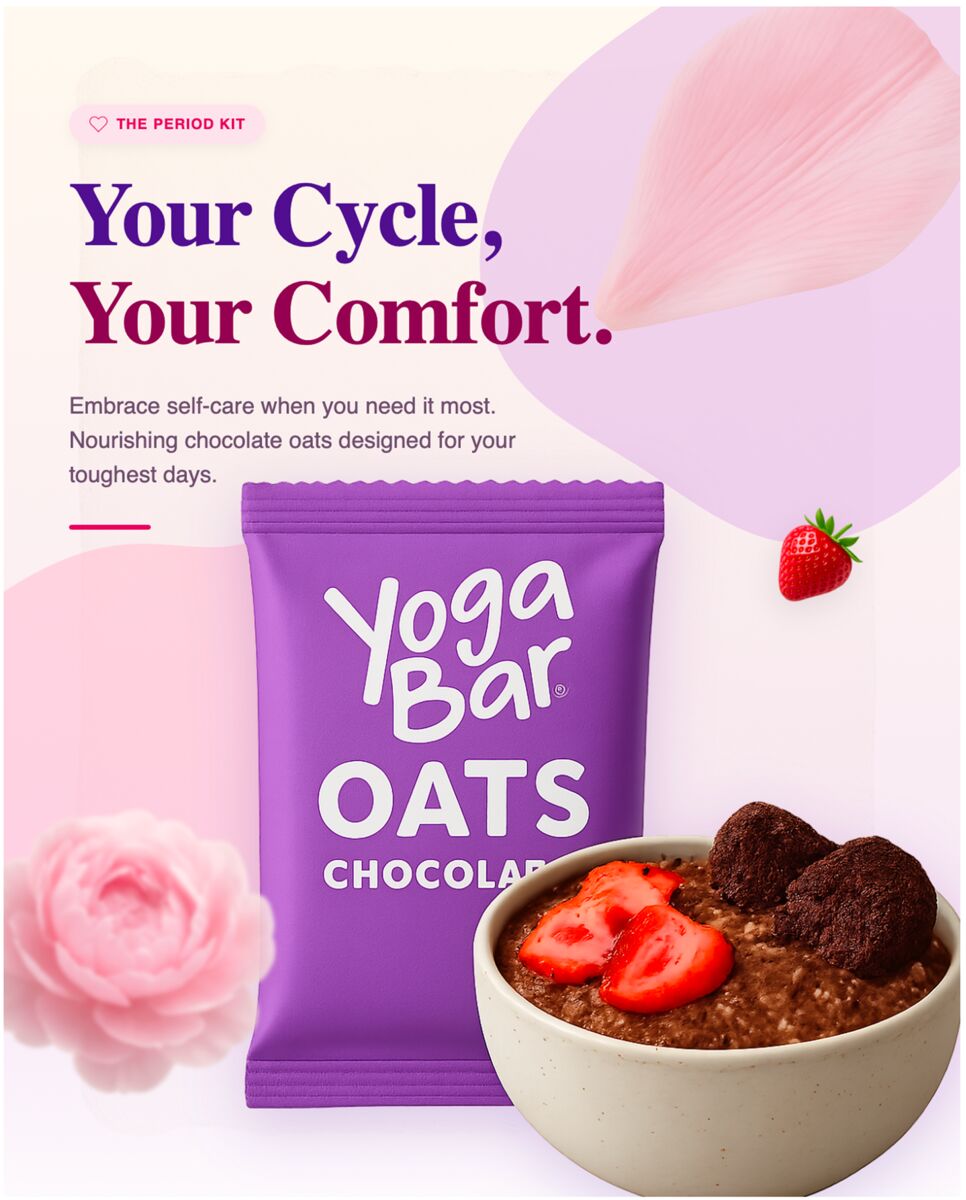
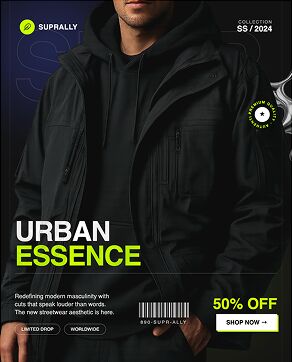
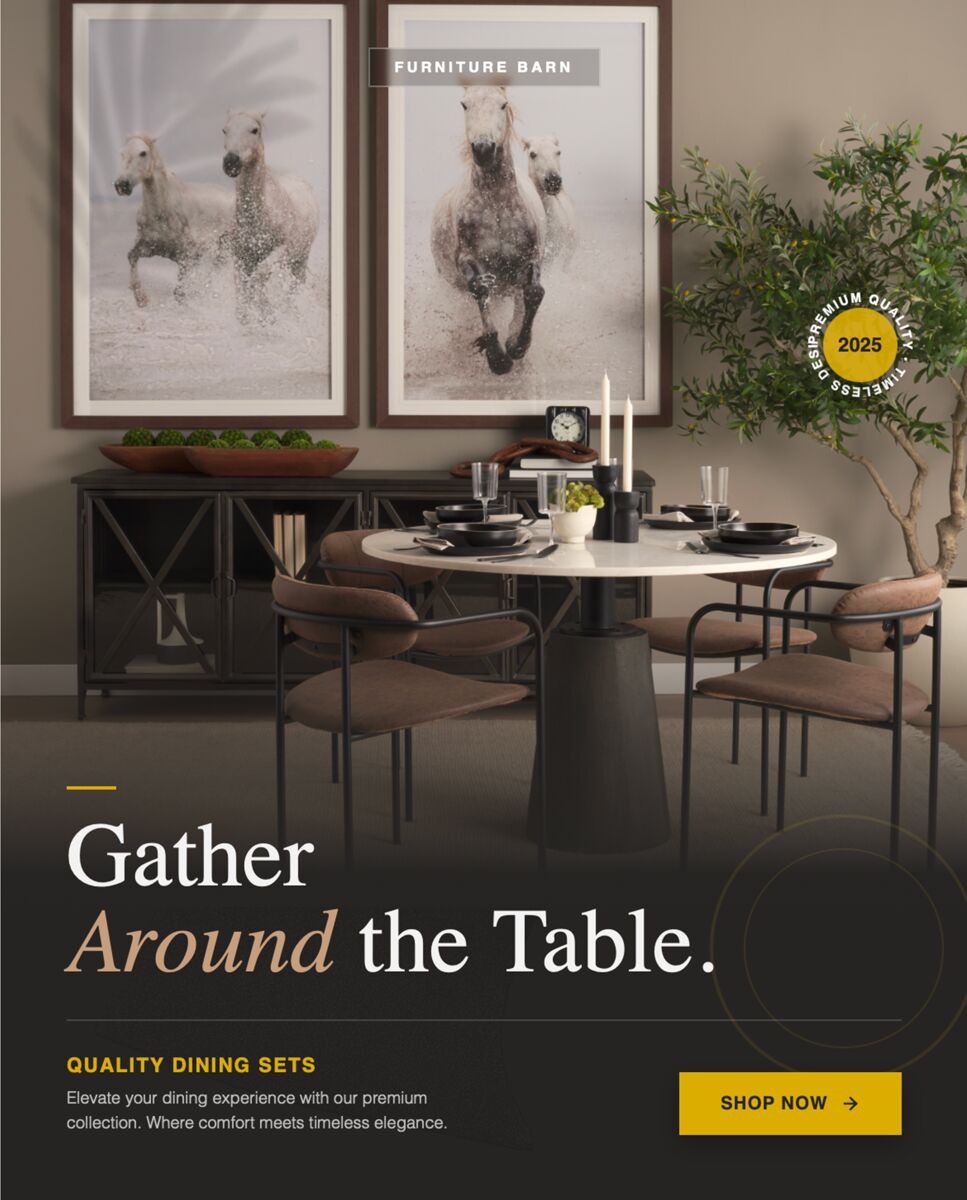
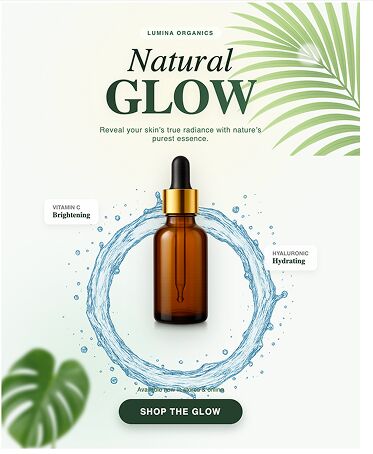
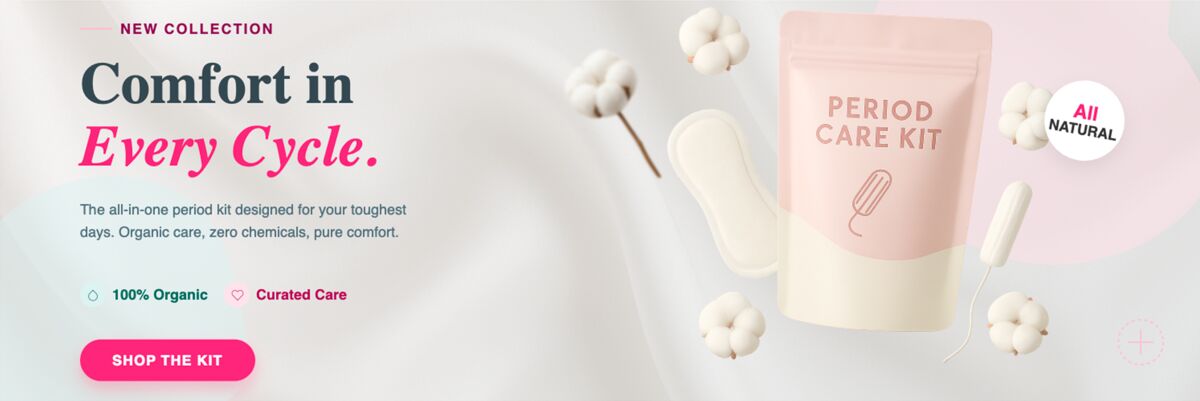
When the brand kit is locked, generate the launch assets in bulk. DesignLumo’s AI engine creates fully editable, layered files from plain‑text prompts, so you skip the template‑tuning phase entirely.
- Facebook carousel ads – use the Facebook Ad Maker
- Instagram story graphics – use the Instagram Post Maker
- Email header banners – use the Email Header Maker
- Landing‑page hero images – use the AI Marketing Design
Where templates hit their limit, DesignLumo generates from scratch, delivering editable layers ready for client tweaks.
Set Ongoing Governance and Handoff Process
After the first batch is live, embed a handoff checklist into your SOP. This ensures every new creative follows the same brand‑safe path.
- Designer tags the asset in HubSpot with the client’s brand‑kit ID
- Copy lead verifies brand‑compliant language before scheduling
- Account manager reviews final mockups against the living guide
- All files are archived in a client‑specific folder on Google Drive
Topics covered
Create with DesignLumo





Ready to create your first design?
Join thousands creating professional designs in seconds.
Related articles
The Email Creative Brief Template Performance Agencies Need
A fill‑in‑the‑blank email creative brief that cuts revisions, speeds hero image production, and powers A/B testing for e‑commerce and SaaS campaigns.
Ad Creative Formats That Actually Convert in 2026
Discover the four ad creative formats that drive real conversions in 2026 and how agencies can deploy them at scale.
Pricing Creative Services: How to Stop Undercharging
Learn how full‑service digital agencies can stop undercharging for creative work by moving to value‑based pricing, tiered retainers, and AI‑first tools.