Building an Instagram Content System for Multiple Clients
A step‑by‑step guide for full‑service agencies to create scalable, brand‑consistent Instagram posts using templates, brand kits, and batch production.
Your agency already juggles SEO dashboards, paid‑media budgets, and email automations. Add 10‑50 Instagram calendars and the creative load spikes exponentially.

Why Instagram Is the New Production Bottleneck
Typical symptoms: delayed launches, mismatched brand colors, and designers spending hours recreating the same carousel layout for every client.
“If you can’t produce a post in under 15 minutes, you’re not scaling.” – Senior Social Lead, agency of 30 clients
Lock Down Brand Kits Before the First Pixel
Collect each client’s fonts, color hexes, logo variants, and tone guidelines in a shared Google Sheet or Notion database. Treat the sheet as the single source of truth.
- Primary, secondary, and accent colors (include CMYK for print assets)
- Font families with fallback options
- Logo usage rules – clear space, background treatment
- Approved iconography style (flat, line, duotone)
When the brand kit lives in a central file, any designer can pull the exact values without hunting through PDFs.
Leverage AI‑Generated Templates with DesignLumo
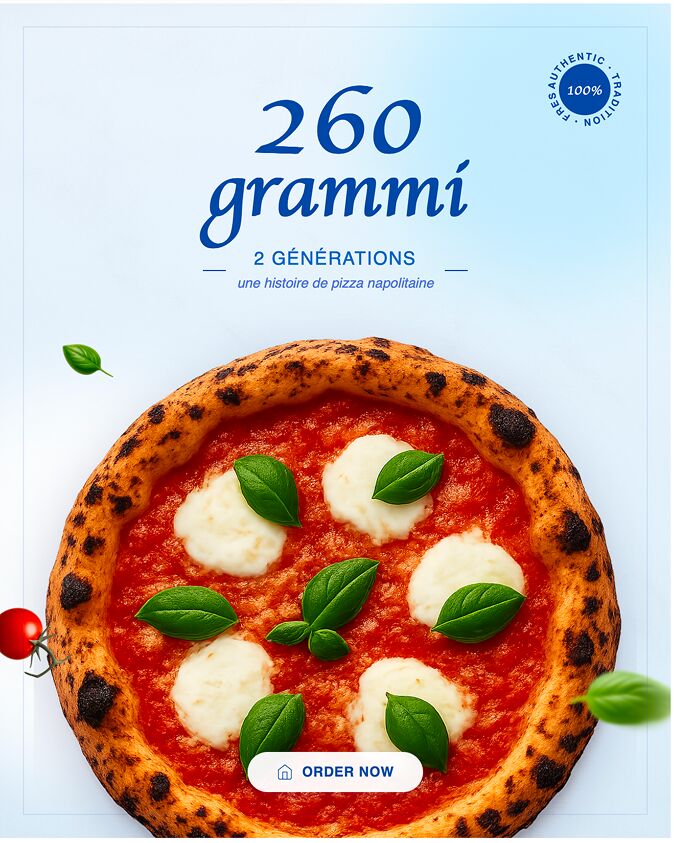
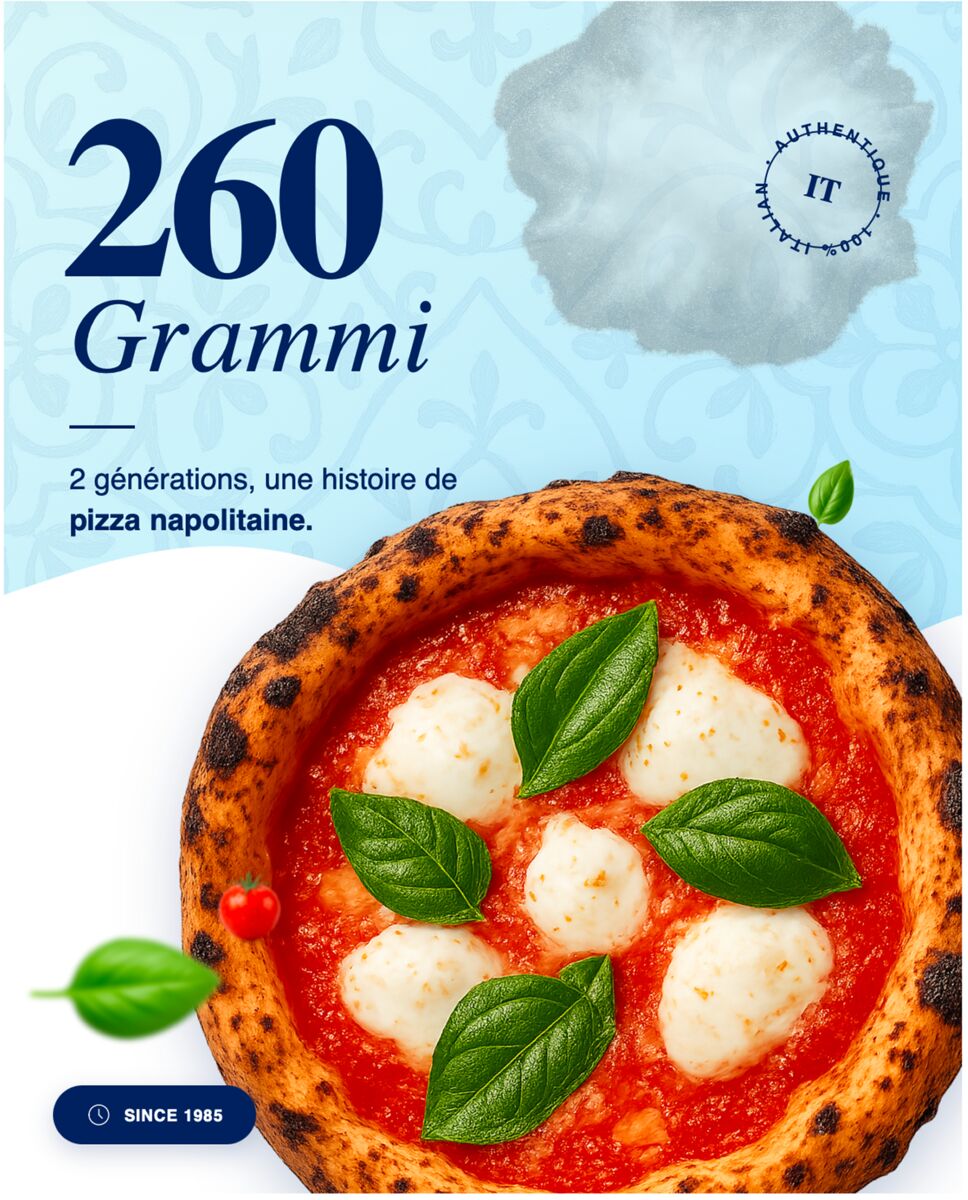
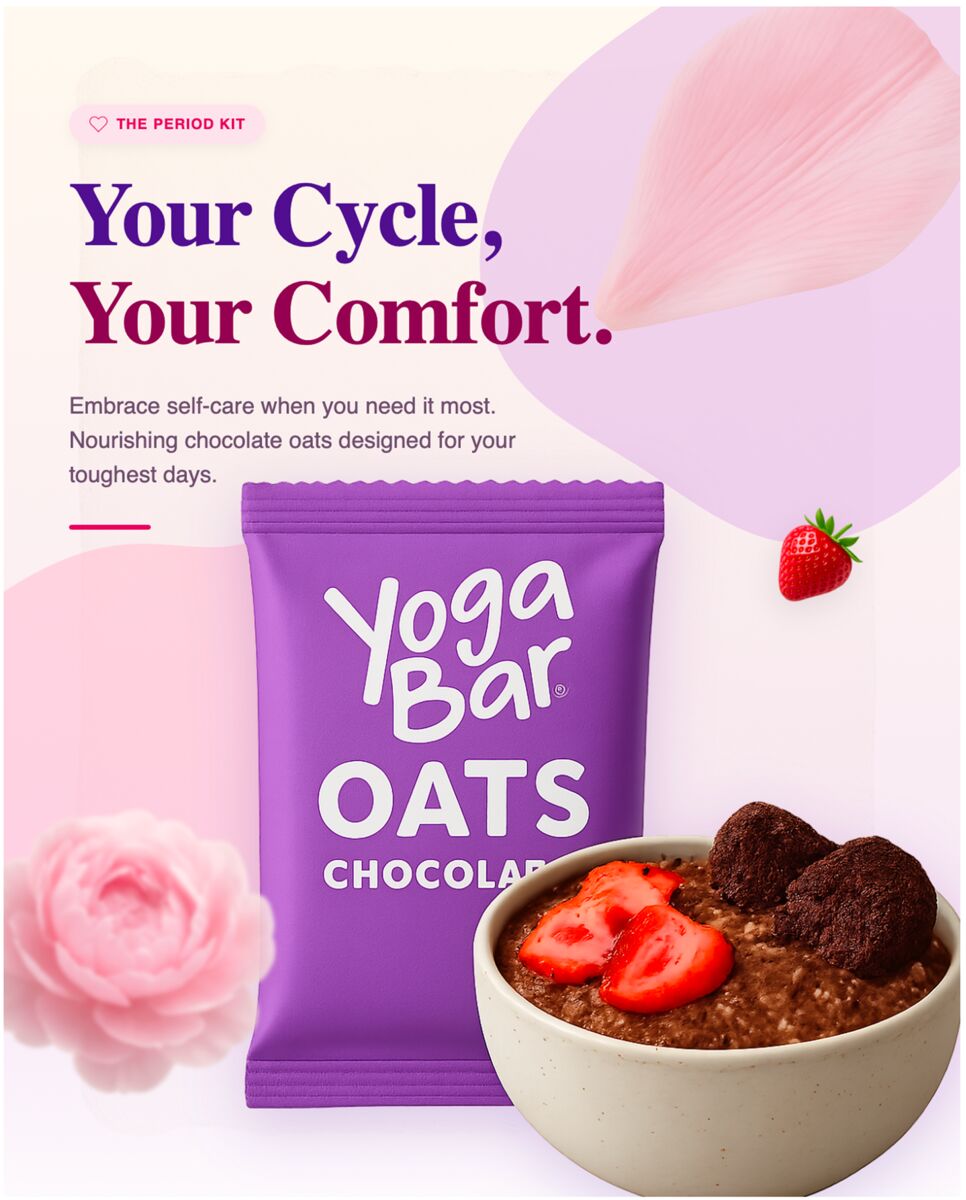
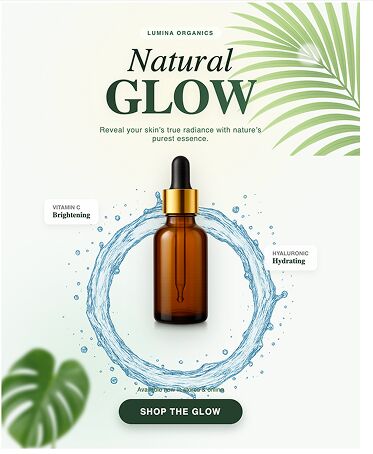
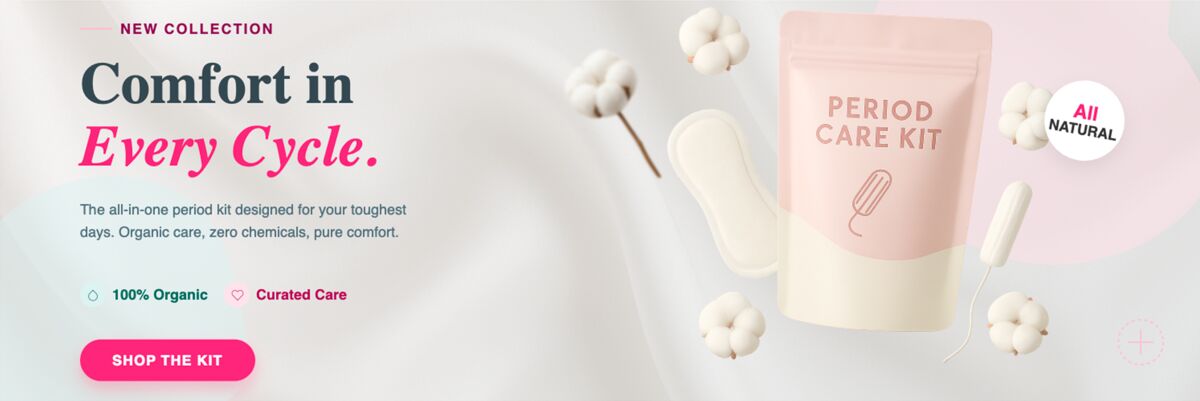
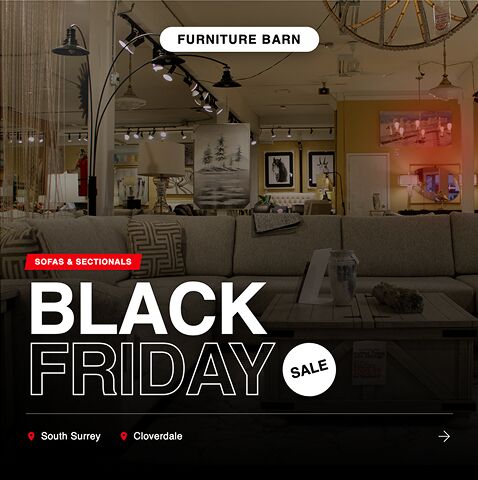
Instead of building a Canva template for each client, feed the brand kit into Instagram Post Maker. The AI creates a fully editable Figma‑ready file with layers, fonts, and colors already applied.
- Write a short prompt: “Create a 4‑slide carousel for a boutique coffee shop using #6B4F4F, #C9A66B, Helvetica Neue, with bold headline on slide 1.”
- Generate, review, and save the .fig file in the client’s folder.
- Duplicate the file for each new campaign; only swap copy and images.
DesignLumo turns a template from a static mockup into a live, layer‑by‑layer design you can edit instantly.
Batch Production: From Prompt to Publish in 30‑Minute Sprints
Schedule a weekly “creative sprint” where the copy team drops all captions into a CSV, the design lead runs the AI prompts, and the output lands in a shared Figma project.
- Pre‑define slide structures (intro, stat, CTA, brand) for every client.
- Assign one designer to run the batch and another to QA.
- Export PNGs or schedule directly via HubSpot’s social tool.
Because the files are already editable, last‑minute copy tweaks take seconds, not hours.
Hook Into Your Existing Stack
Link the Figma project to HubSpot’s file manager, pull the final assets into the content calendar, and set up a Zapier automation that moves completed PNGs into a Meta Ads library.
- HubSpot → Content Calendar → Auto‑attach latest Instagram assets
- Semrush → Insight dashboard → Flag top‑performing visual themes
- Meta Ads Manager → Use the same carousel for paid social
The result: one source of truth for organic and paid assets, eliminating duplicate work.
Quality Control Without Slowing Down
Create a lightweight checklist that runs after each batch: brand colors, logo placement, copy spelling, and alt‑text compliance.
- Run a Figma plugin that scans color usage against the brand kit.
- Use Grammarly or Hemingway for caption proofing.
- Add alt‑text in HubSpot before scheduling.
A 5‑minute QA pass is cheaper than a client‑requested redesign after launch.
Scale, Iterate, and Keep the System Fresh
Every quarter, review performance metrics (engagement, saves, click‑through) in Meta analytics. Feed the top‑performing slide types back into your AI prompt library.
- Add new copy formulas to the CSV template.
- Refresh the brand kit if a client re‑brands.
- Train junior designers on the batch workflow to free senior talent for strategy.
With a repeatable system, adding a new client is a matter of uploading their brand kit and plugging it into the existing AI template – no reinventing the wheel.
Topics covered
Create with DesignLumo







Ready to create your first design?
Join thousands creating professional designs in seconds.
Related articles
A/B Testing Email Visuals: What Actually Moves the Needle for Agencies
Learn which email header and hero image elements to A/B test, how to structure experiments, and read results that boost e‑commerce and SaaS campaigns.
A/B Testing Ad Visuals: What Actually Moves the Needle for YouTube Growth Agencies
Learn the visual elements that truly boost thumbnail CTR for YouTube agencies, how to structure A/B tests, and read results that drive growth.
Ad Creative Formats That Actually Convert in 2026
Discover the 4 LinkedIn ad creative formats that drive real B2B leads in 2026 and how agencies can produce them at scale with AI tools.