The Hook Creative Strategy: Stop the Scroll in 3 Seconds
Learn how social media agencies can craft 3‑second hook visuals that stop the scroll, cut revision cycles, and scale creative output.
On Facebook, Instagram, and LinkedIn the average scroll speed is roughly 5 inches per second. If your creative doesn’t grab attention in the first three seconds, the user scrolls past and you lose the impression entirely.

The 3‑Second Imperative for Agencies
A compelling hook is the only thing that justifies the cost of a paid impression.
Data‑Backed Anatomy of a Hook
Research from Nielsen and Meta shows three visual elements dominate the first-frame success rate:
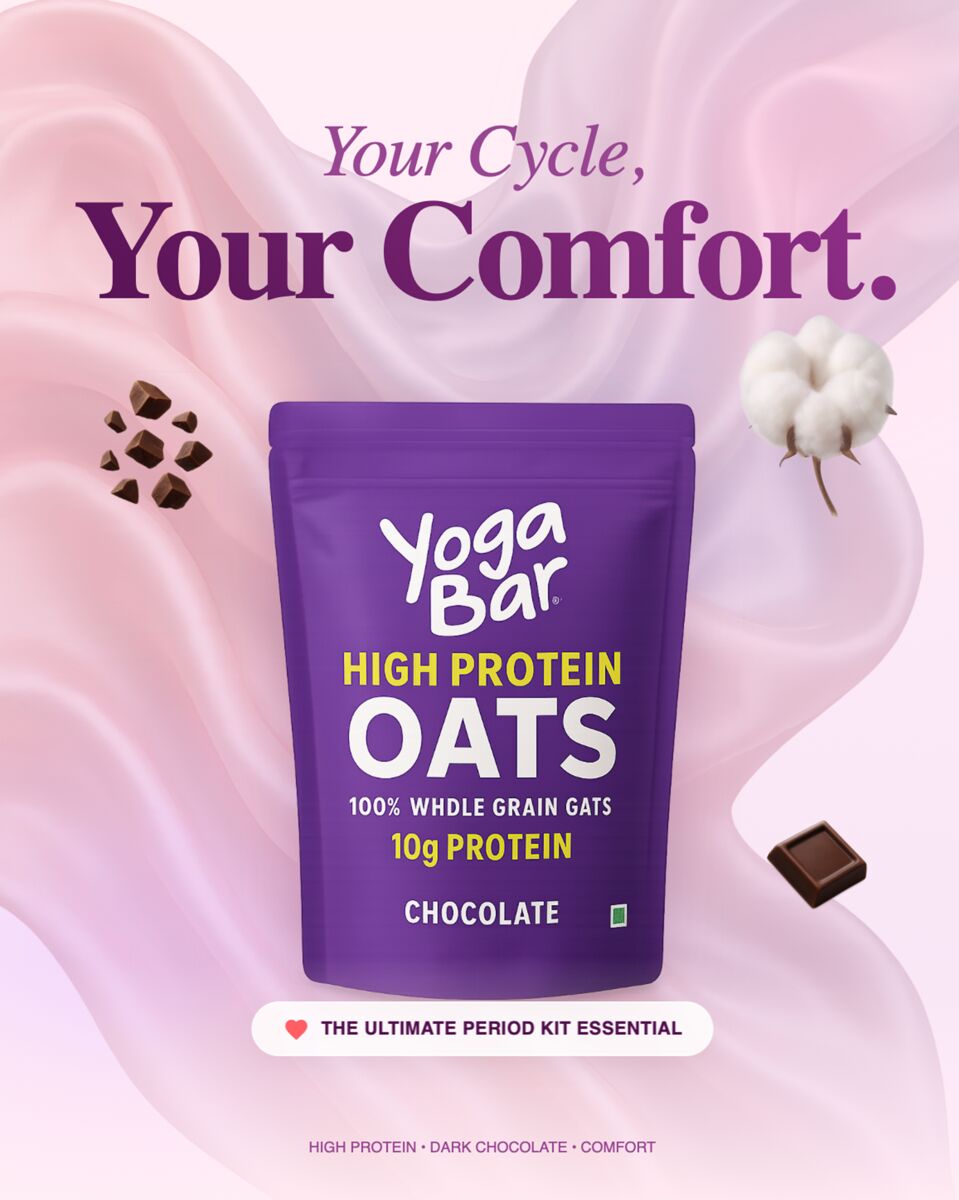
- Bold, high‑contrast color that contrasts with the platform’s UI
- A concise headline that promises a specific benefit or curiosity gap
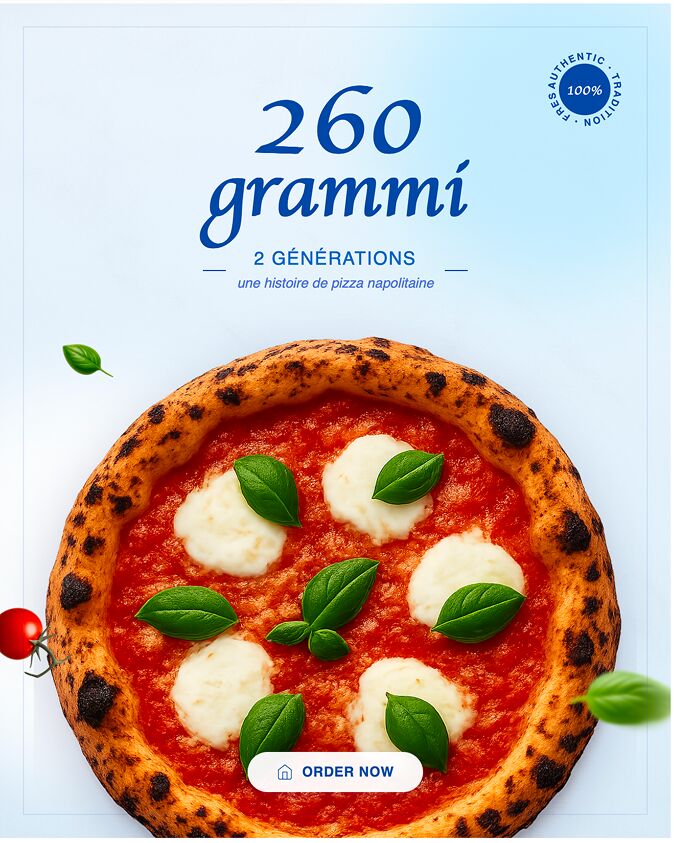
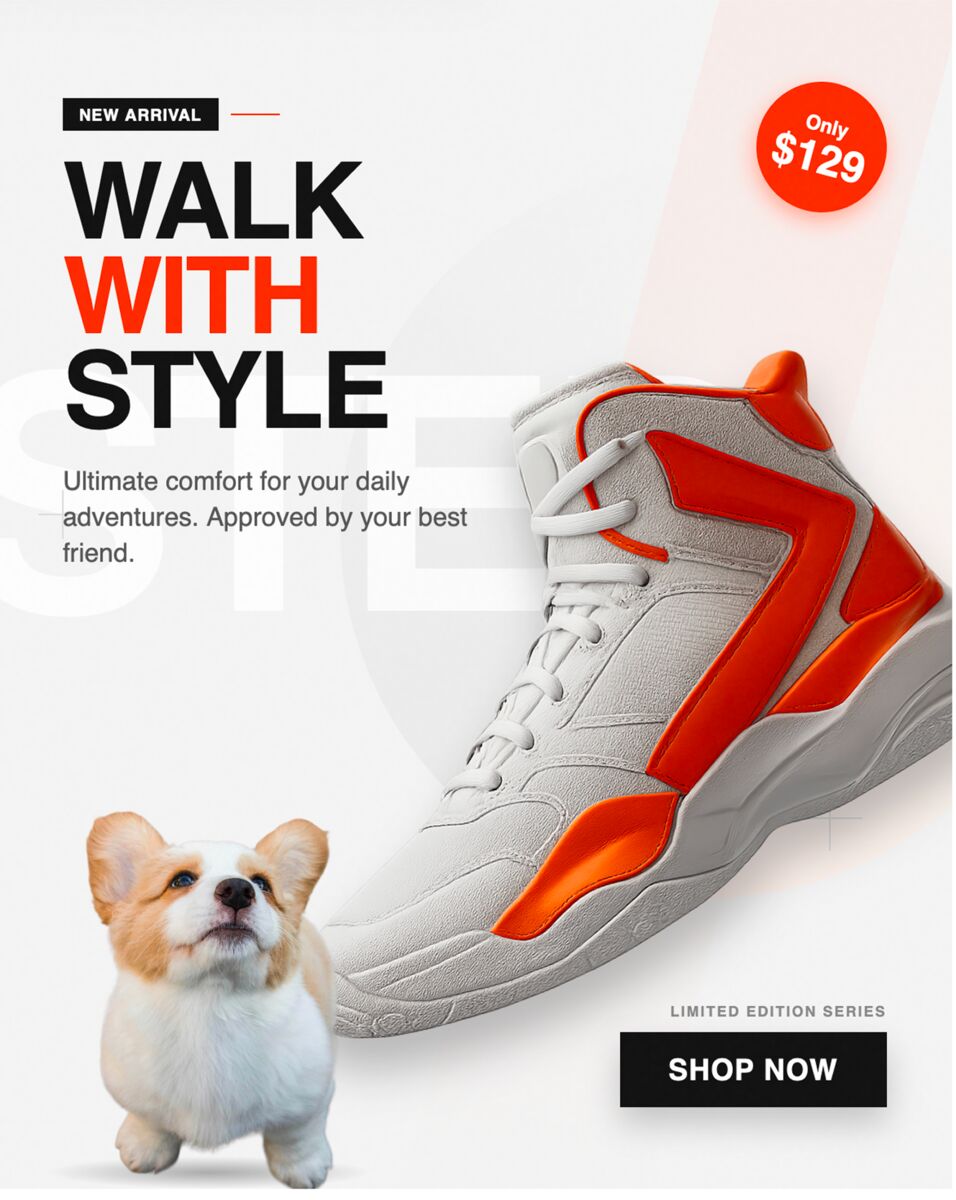
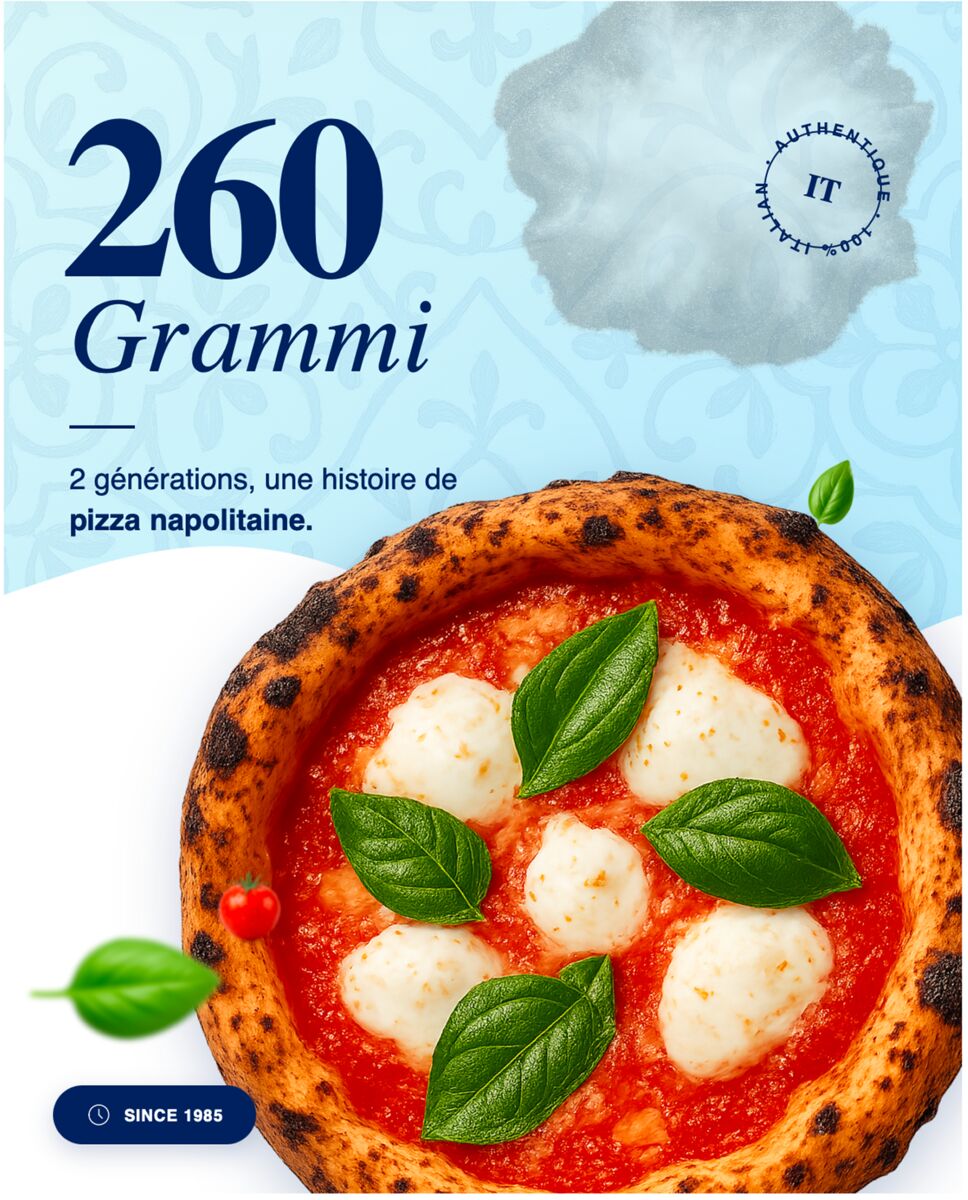
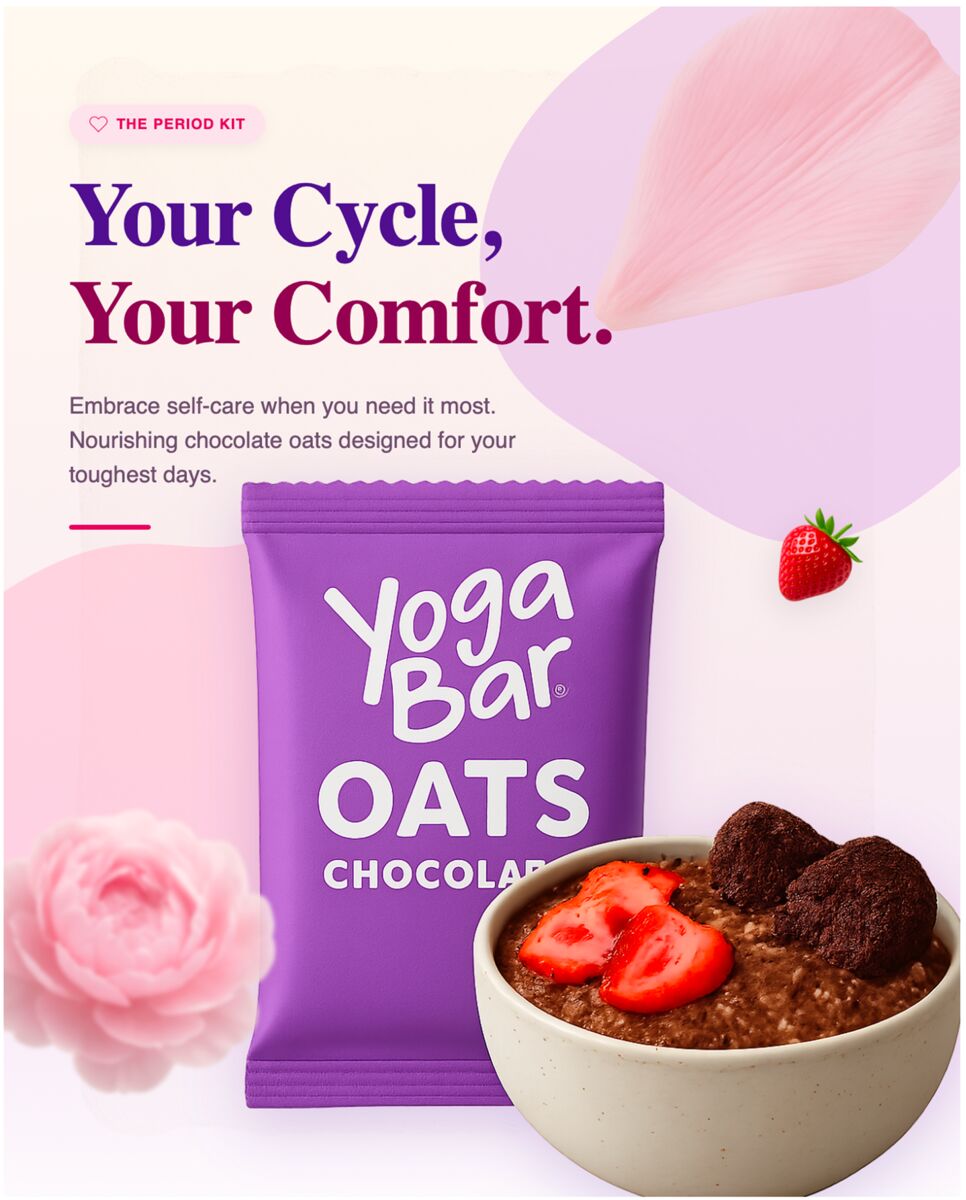
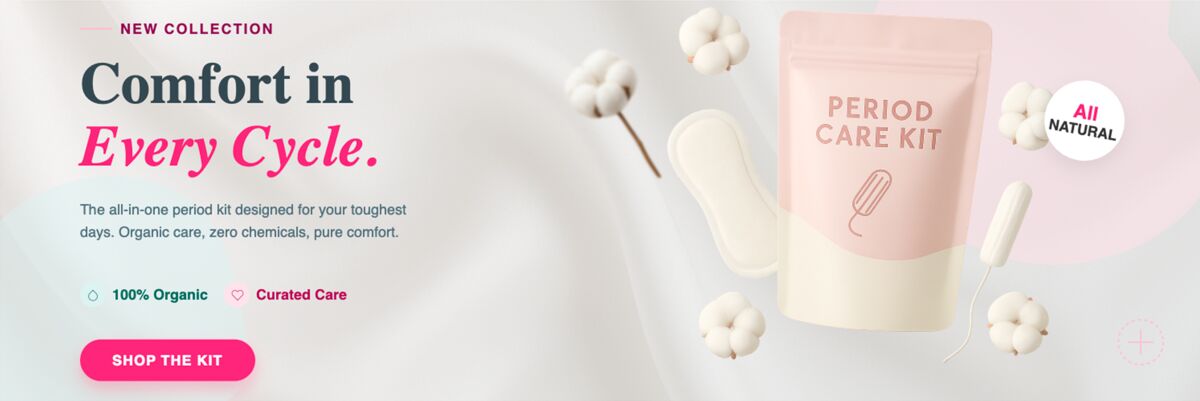
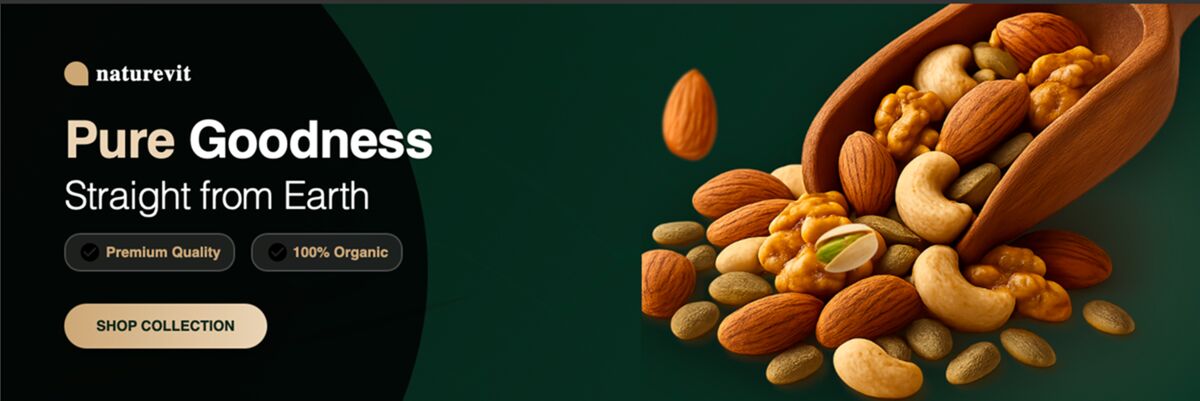
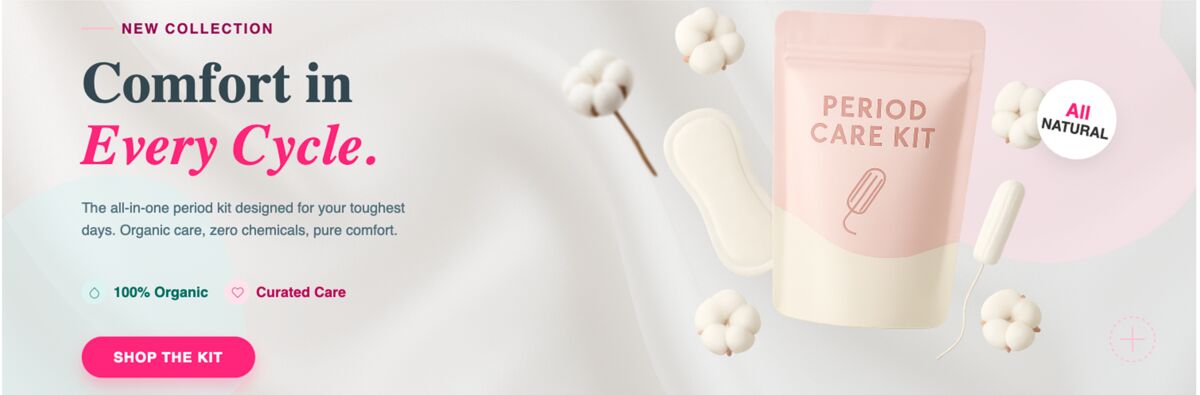
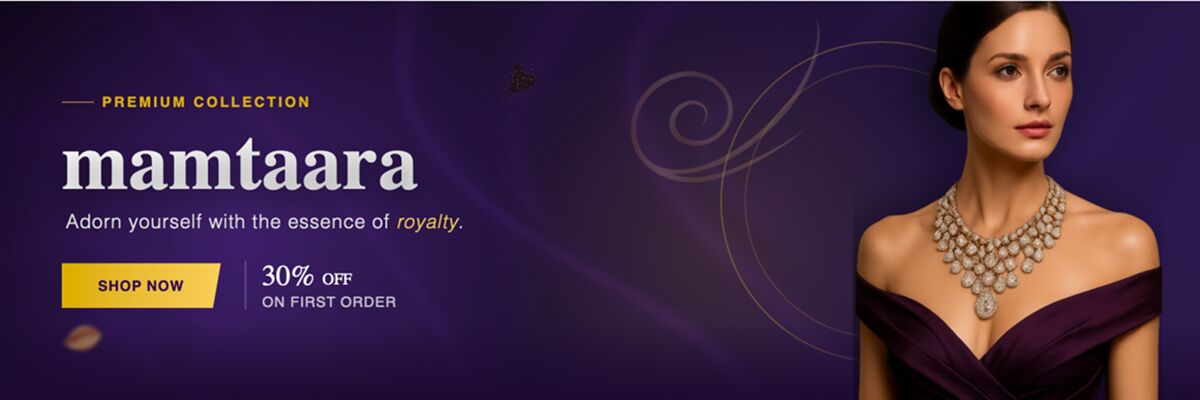
- A focal object (person, product, or icon) that occupies 60‑70% of the frame
Combine these three, test the CTR for 48 hours, and you have a repeatable formula.
Building First‑Frame Templates Without Stifling Brands
Most agencies fall back on static Canva templates, which lock you into one color palette and font. Instead, create a modular first‑frame library where the core layout is consistent but every element—color, type, imagery—pulls from the client’s Brand Kit.
- Define a master grid (e.g., 12‑column) that all hooks share.
- Save color swatches and font styles as variables in Figma or Sketch.
- Export the master file to DesignLumo’s Ad Creative Maker to generate editable, layered versions on demand.
Because the output is fully editable, copy‑writers can swap headlines in seconds while designers retain control over spacing and hierarchy.
Streamlining Revisions with Editable AI Output
Clients often request five‑plus rounds of copy tweaks. With raster images you’re stuck in a download‑edit‑upload loop. AI‑generated, layered files let you edit text directly in the browser.
- Open the AI file in DesignLumo, click the headline layer, type the new copy.
- Adjust font weight or color instantly—no Photoshop export needed.
- Export a fresh PNG for the client preview in under a minute.
When revisions are a click away, approval cycles shrink from days to hours.
Scaling Production: From One Client to Fifty
Your agency’s bottleneck is usually the manual hand‑off between copy, design, and scheduling. Automate the hand‑off with a shared library of AI‑generated first‑frames.
- Create a brand‑specific hook folder in DesignLumo.
- Assign each client a unique prefix (e.g., ACME‑001) for version control.
- Integrate the export URL with Later or Hootsuite via Zapier to push the final PNG straight to the content calendar.
The result is a predictable throughput: one senior designer can oversee 30‑plus hooks per week without sacrificing brand fidelity.
Immediate Action Plan for Your Next Calendar
Apply the hook framework to your upcoming monthly rollout in three quick steps.
- Audit the top‑performing posts from each client and note color, headline length, and focal object.
- Build a master first‑frame in DesignLumo using the audit data.
- Generate 10 variations per client, send a single PDF for approval, and schedule the wins.
Three seconds, three clicks, three approvals – that’s the new agency KPI.
Topics covered
Create with DesignLumo

Ready to create your first design?
Join thousands creating professional designs in seconds.
Related articles
A/B Testing Email Visuals: What Actually Moves the Needle for Agencies
Learn which email header and hero image elements to A/B test, how to structure experiments, and read results that boost e‑commerce and SaaS campaigns.
A/B Testing Ad Visuals: What Actually Moves the Needle for YouTube Growth Agencies
Learn the visual elements that truly boost thumbnail CTR for YouTube agencies, how to structure A/B tests, and read results that drive growth.
Ad Creative Formats That Actually Convert in 2026
Discover the 4 LinkedIn ad creative formats that drive real B2B leads in 2026 and how agencies can produce them at scale with AI tools.