Figma vs Canva for Email Marketing Agencies: Choosing the Right Tool for Each Job
Compare Figma and Canva for email header design, A/B testing, and seasonal graphics. Learn when to use each tool in agency workflows.
A compelling header sets the tone for every campaign. When the graphic stalls, the copy team waits, the build queue backs up, and the send date slips. Agencies lose up to 30% of their turnaround speed on a single header.

Why Email Header Design Is the Real Bottleneck
Metrics prove it: A/B tests that compare a well‑crafted header to a generic one show a 12‑point lift in click‑through rate. The same test with a delayed header sees a 5‑point drop because the variant never launches on time.
“If the header isn’t ready, the whole email pipeline grinds to a halt.” – Senior Email Strategist, 2024
Canva: Speed and Brand Consistency for Rapid Campaigns
Canva excels when you need a quick hero image, a seasonal banner, or a set of A/B variants in under an hour. Its Brand Kit lets you lock colors, fonts, and logos, so junior designers can stay on‑brand without a design system.
- Pre‑made templates for abandoned‑cart promos, Black Friday, or product launches
- One‑click export to PNG or JPG for immediate upload to Klaviyo or Mailchimp
- Easy duplication for A/B tests: change CTA color, swap copy, keep layout identical
When the client asks for "five versions in 30 minutes," Canva is the tool that delivers without sacrificing brand guidelines.
Figma: Precision, Collaboration, and Complex Layouts
Figma shines on projects that require pixel‑perfect alignment, reusable components, or a design system that spans email, landing pages, and social ads. Its vector engine keeps assets crisp at any resolution, which matters for high‑DPI displays.
- Shared libraries for brand assets, ensuring every designer pulls the same logo variant
- Auto‑layout for responsive email headers that adapt to mobile widths
- Live commenting so copy, strategy, and development teams iterate in real time
If a SaaS client needs a header that integrates custom icons, dynamic data placeholders, and strict accessibility checks, Figma provides the control Canva lacks.
Hybrid Workflow: Leverage Both, Insert AI When It Makes Sense
Start with Canva for the first draft and rapid A/B concepts. Once a direction is approved, move to Figma for final polish, component creation, and export of layered assets.
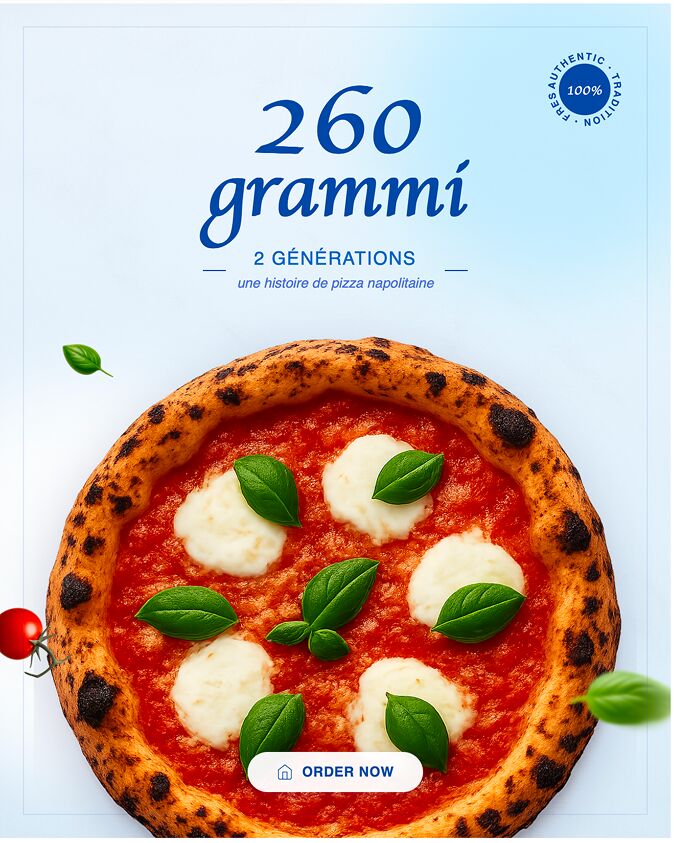
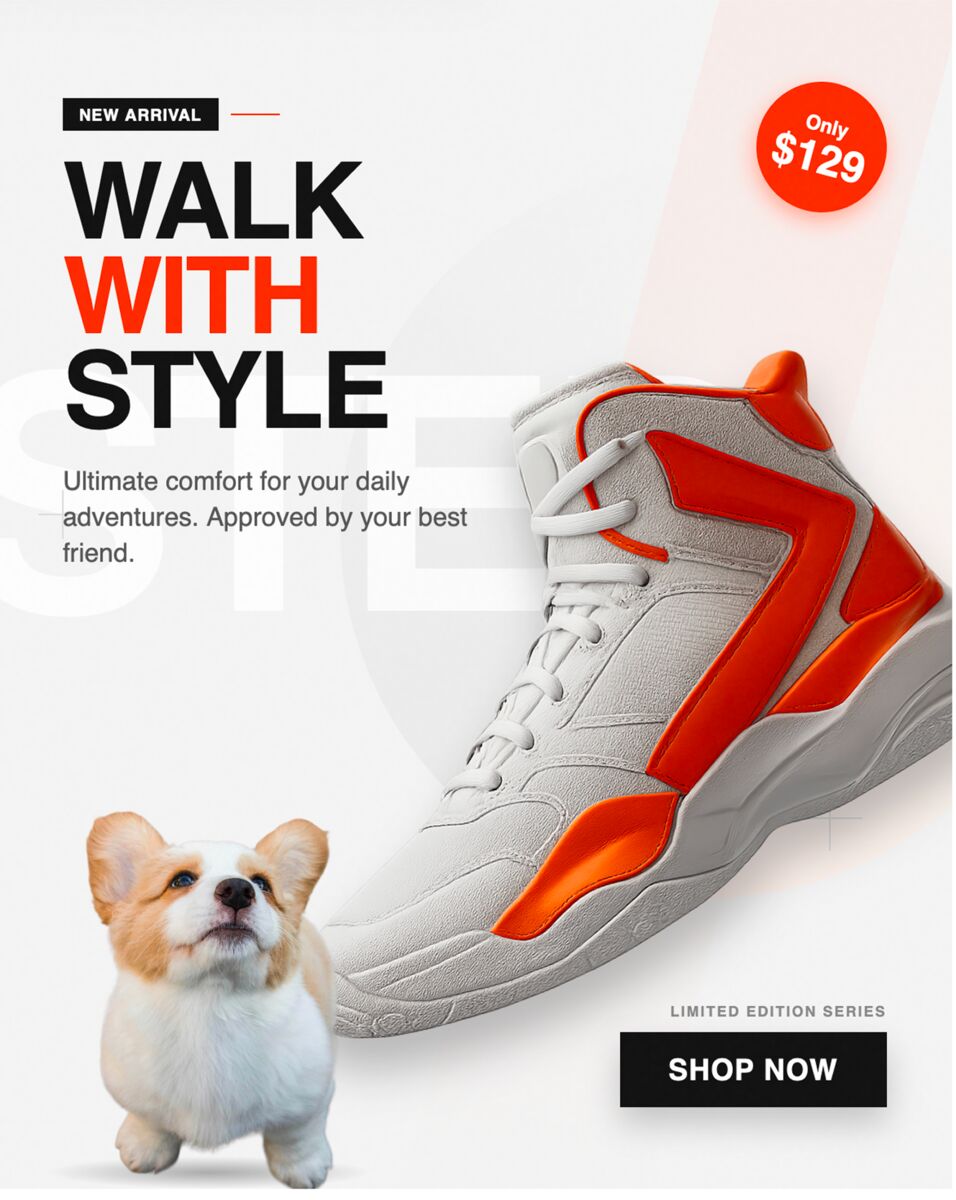
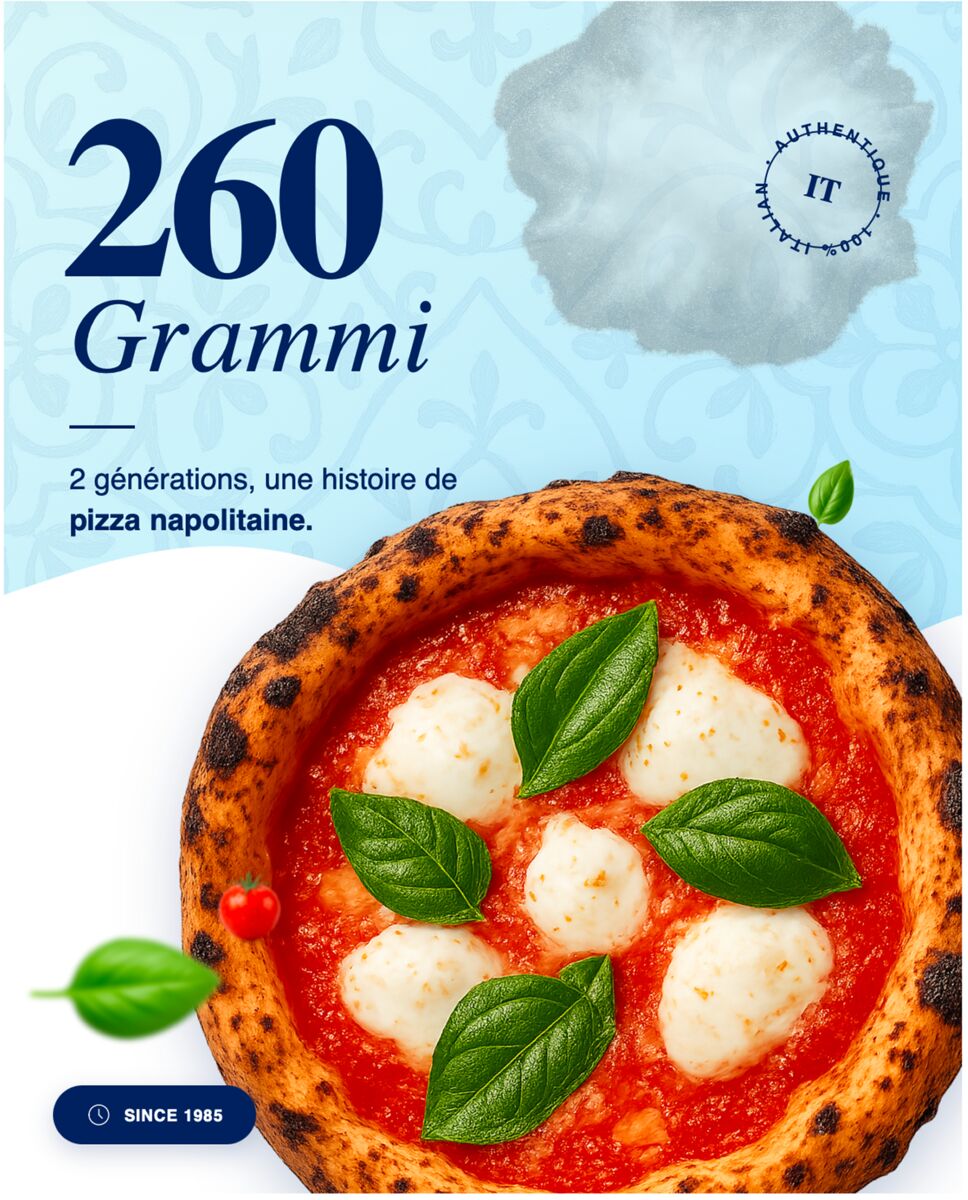
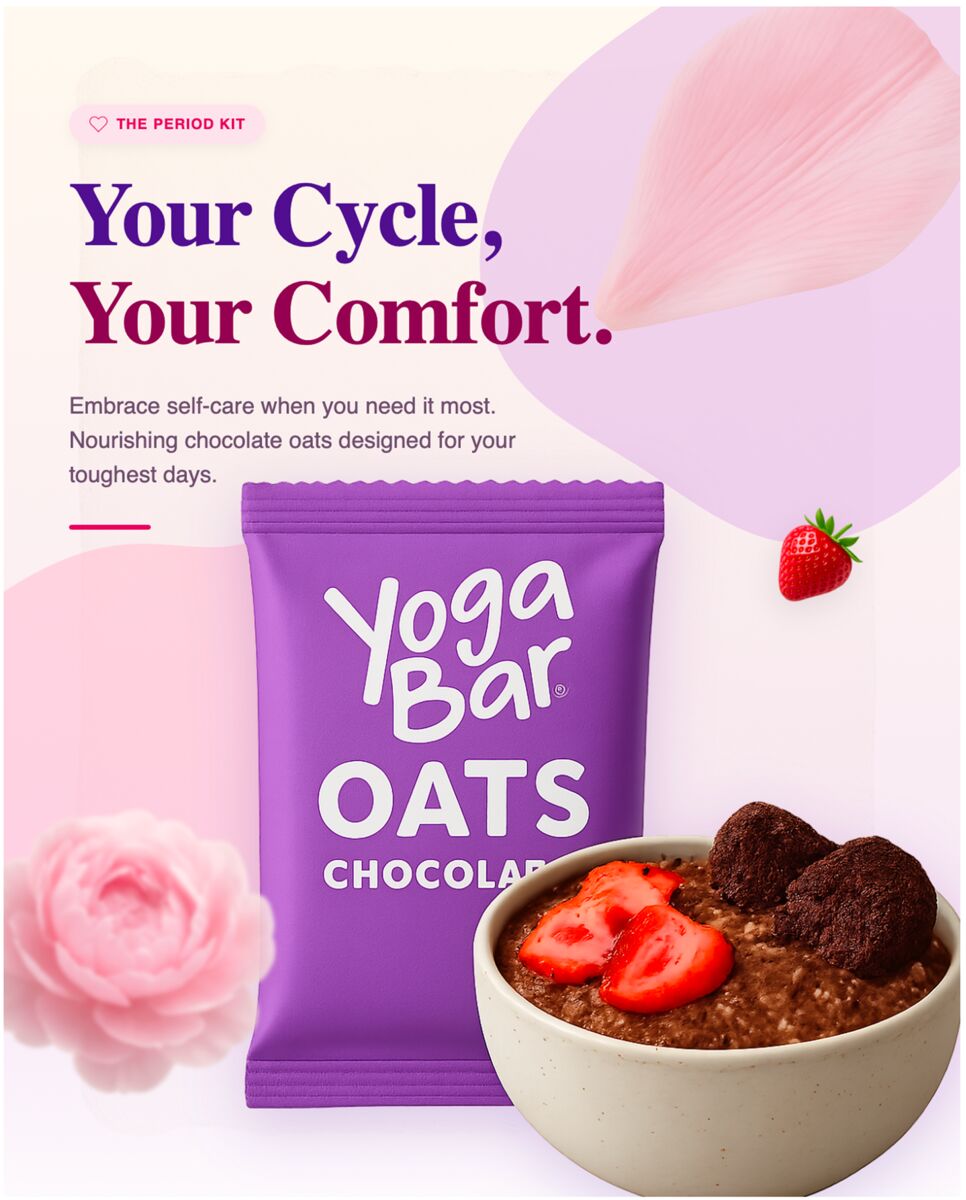
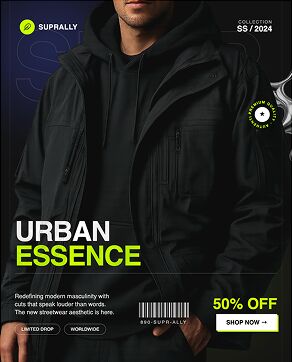
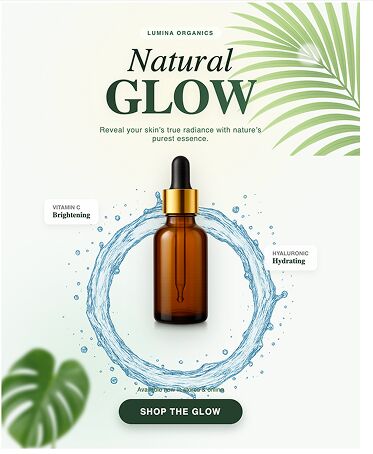
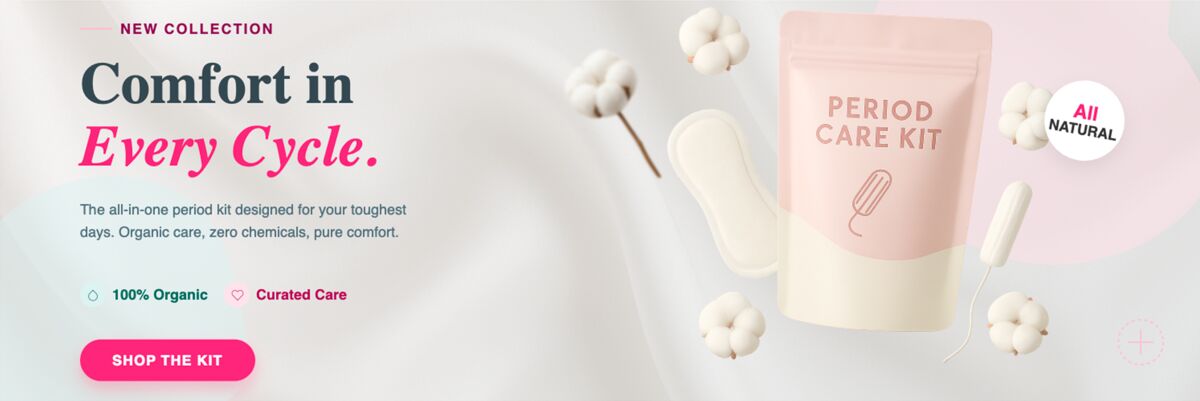
For agencies that want to cut the hand‑off entirely, consider Email Header Maker from DesignLumo. It generates fully editable, layered headers from a plain‑text prompt, then exports directly to PNG, JPG, or Figma‑compatible .fig files.
“AI‑generated, editable designs let us skip the Canva‑to‑Figma hand‑off and land on a production‑ready file in minutes.” – Creative Director, 2024
Decision Matrix: Client Type, Timeline, and Team Skill
- E‑commerce flash sales (24‑hour turnaround) → Canva or DesignLumo for instant variants
- SaaS onboarding series (multiple touchpoints, consistent UI) → Figma for a reusable component library
- Mixed‑skill teams (junior designers + senior art directors) → Canva for junior output, Figma for senior refinement
Map each upcoming campaign against this matrix. If the decision lands on “Canva,” schedule a 15‑minute brand‑kit audit. If it lands on “Figma,” ensure component libraries are up to date before the brief arrives.
Integrating Designs with Klaviyo, Mailchimp, and Litmus
Both Canva and Figma export assets that can be dropped straight into email builders, but the workflow differs:
- Canva → Export PNG → Upload to Klaviyo content block → Add alt text
- Figma → Export layered .fig or SVG → Import into Mailchimp’s Design Studio for dynamic content
- DesignLumo → Generate editable file → Sync via the Figma plugin for instant collaboration
After upload, run a Litmus preview to catch rendering issues. If the asset fails on a specific client, return to Figma for precise size tweaks; Canva users typically need to re‑export at a different resolution.
Actionable Next Steps for Your Agency
- Audit your current header pipeline. Identify any step that takes longer than 30 minutes.
- Create a short‑form Canva template for each campaign type (promo, cart recovery, newsletter).
- Build a Figma component library that includes logo, CTA button, and headline styles for each client.
- Pilot DesignLumo on one seasonal campaign. Measure time saved vs. traditional hand‑off.
- Document the hand‑off rule: Canva drafts go to Figma only when a component library is required.
Implementing a clear tool‑choice framework eliminates the header bottleneck, speeds up A/B testing, and frees your designers to focus on strategy rather than pixel chasing.
Topics covered
Create with DesignLumo






Ready to create your first design?
Join thousands creating professional designs in seconds.
Related articles
A/B Testing Email Visuals: What Actually Moves the Needle for Agencies
Learn which email header and hero image elements to A/B test, how to structure experiments, and read results that boost e‑commerce and SaaS campaigns.
A/B Testing Ad Visuals: What Actually Moves the Needle for YouTube Growth Agencies
Learn the visual elements that truly boost thumbnail CTR for YouTube agencies, how to structure A/B tests, and read results that drive growth.
Ad Creative Formats That Actually Convert in 2026
Discover the 4 LinkedIn ad creative formats that drive real B2B leads in 2026 and how agencies can produce them at scale with AI tools.