Building a Facebook Ad Creative System for Agencies
Learn a repeatable workflow to churn out 10+ high‑performing Facebook ad variants per campaign, cut fatigue, and scale creative production for e‑commerce and lead‑gen clients.
Performance marketers see click‑through rates drop 20‑30% after the first three days because audiences are exposed to the same visual over and over. The result is higher CPM, lower ROAS, and a frantic scramble for fresh assets.

Why Creative Fatigue Kills ROI
Typical warning signs include: 1. Diminishing incremental lift on A/B tests. 2. Creative‑related alerts in Meta Ads Manager. 3. Client complaints about “stale” ads after one week.
Set a Blueprint That Scales
Start with a master template that defines every piece you need for a funnel stage. The blueprint becomes the contract between copywriters, designers, and media buyers.
- Hook banner – bold headline + brand color splash.
- UGC‑style static – user photo + testimonial overlay.
- Offer graphic – discount badge, free‑shipping tag.
- Before/after visual – product transformation frame.
- Retargeting visual – “Still thinking?” with limited‑time timer.
A solid blueprint turns creative chaos into a repeatable SKU that any designer can assemble in minutes.
Modular Asset Library: The Agency’s SKU
Store every element—photos, vectors, copy snippets, brand fonts—in a searchable cloud folder. Tag each asset by funnel stage, format, and performance tier (high‑CTR, high‑CR).
- Raw UGC clips (raw, cropped, color‑graded).
- Brand‑approved icon set (sale, free‑gift, trust).
- Copy vault (5‑word hooks, 3‑word CTAs, urgency lines).
- Color palette JSON exported from your Brand Kit.
When every piece is modular, you can mash‑up a new ad in under five minutes.
Leverage AI for Variant Production
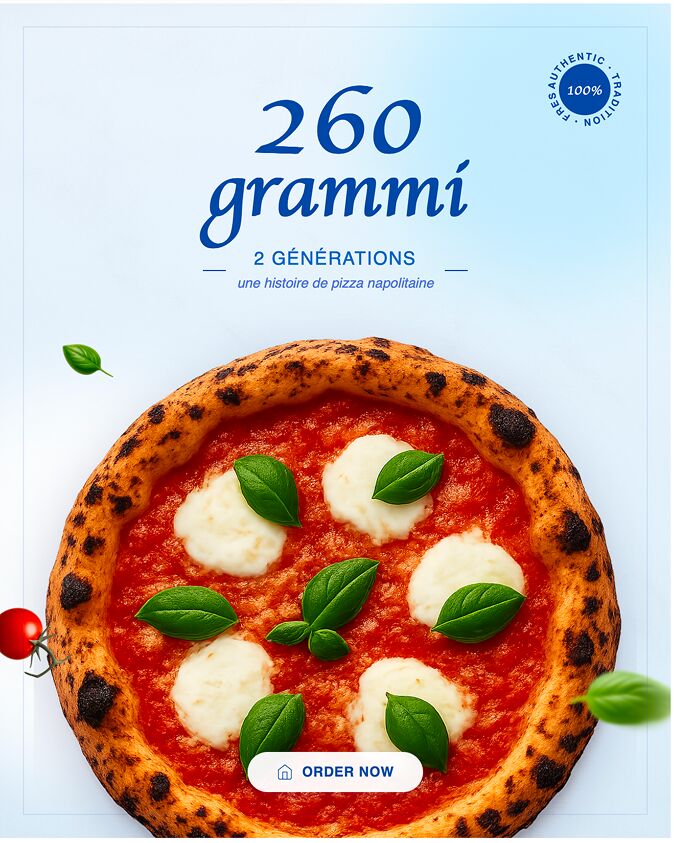
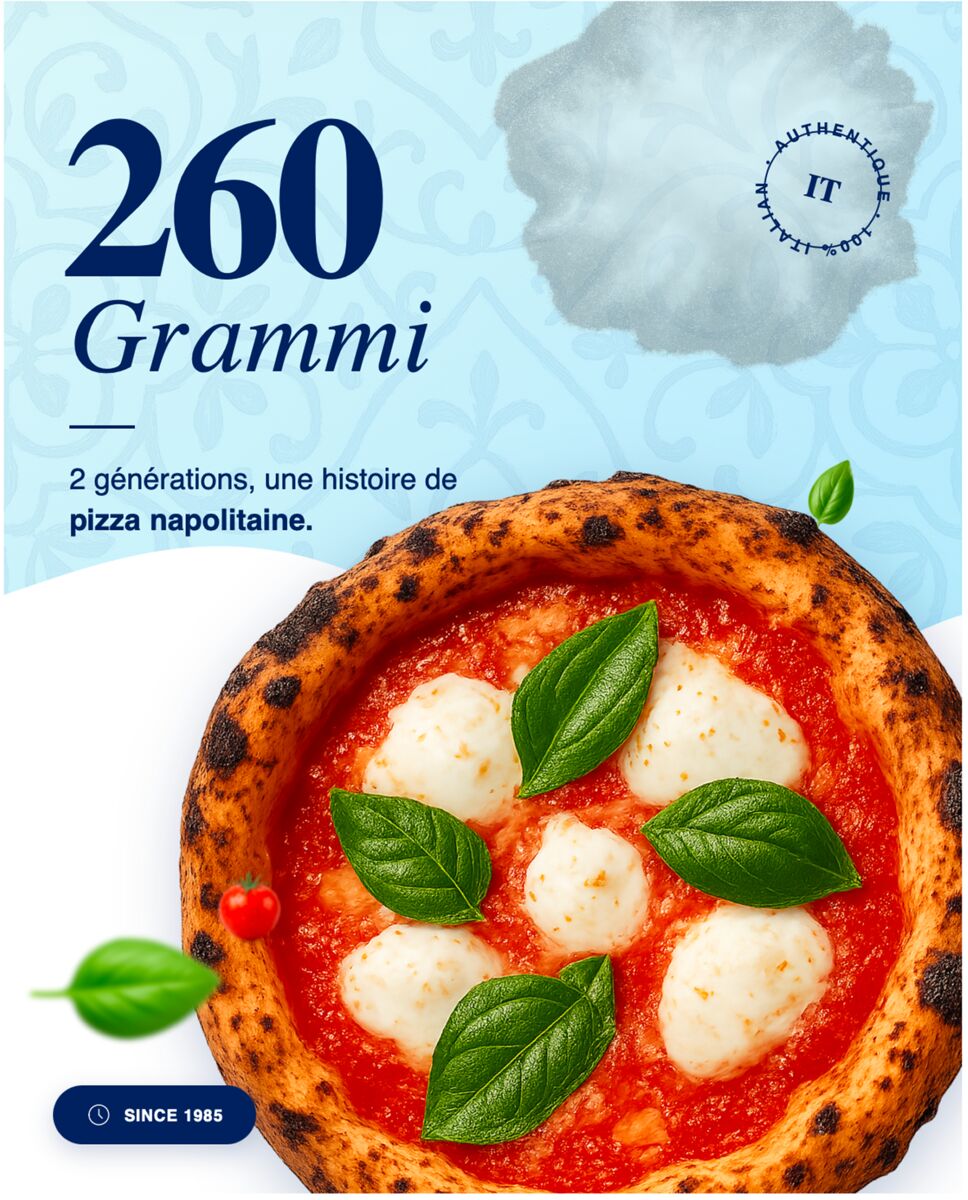
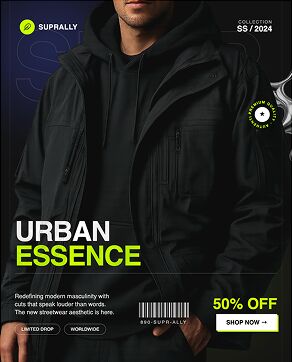
Instead of manually re‑creating each variant in Photoshop, feed a single prompt to DesignLumo’s Ad Creative Maker. The platform returns a fully layered PSD/AI file you can tweak instantly.
AI handles the heavy lifting: swapping backgrounds, changing copy, adjusting color balance, and preserving layer names. Your designers spend time on strategic tweaks, not repetitive resizing.
Sprint‑Based Production Workflow
Structure your week into three micro‑sprints: Brief, Build, Review. Each sprint locks down the output for a specific ad set.
- Monday – Brief: Pull performance data, set KPI targets, assign asset tags.
- Tuesday‑Wednesday – Build: Designers pull from the modular library, generate variants with DesignLumo, apply brand overrides.
- Thursday – Review: Media buyers QA every variant in Meta Ads Manager, flag under‑performers, approve the final 10+ assets.
- Friday – Export: Batch‑export JPEG, PNG, and editable files to the campaign folder.
A sprint cadence keeps creative velocity high while giving the media team a predictable review window.
Data‑Driven Refresh Loop
After 48‑72 hours, pull frequency, CPM, and conversion metrics. Identify the top‑performing visual elements and feed them back into the asset library as “gold standards.”
- If a hook banner exceeds 1.5× ROAS, duplicate its copy and color scheme across other formats.
- If UGC static drops CTR, replace the background with a higher‑contrast variant generated by AI.
- Schedule a full refresh every 2‑3 weeks based on performance decay thresholds.
Continuous, data‑backed iteration turns creative fatigue into a predictable, manageable cadence.
Topics covered
Create with DesignLumo












Ready to create your first design?
Join thousands creating professional designs in seconds.
Related articles
A/B Testing Ad Visuals: What Actually Moves the Needle
Learn which visual elements to test, how to structure reliable A/B experiments, and read results that truly lift ROI for agency clients.
The Ad Creative Brief Template for Performance Agencies
A fill‑in‑the‑blank Facebook ad brief that cuts revisions, speeds up 10+ variant creation, and beats creative fatigue for performance marketers.
Ad Creative Formats That Actually Convert in 2026
Discover the four ad creative formats that drive real conversions in 2026 and how agencies can deploy them at scale.