Email Design Best Practices for Marketing Agencies in 2026
Learn 2026 email header design tactics for agencies—mobile‑first layouts, optimal image‑to‑text ratios, AI‑generated headers, and CTA placement that boost e‑commerce and SaaS results.
Your brief‑to‑send pipeline stalls at the header stage. Designers spend hours sourcing stock, resizing, and exporting files for each seasonal push. The result? Missed deadlines and a growing folder of unused graphics.

The hidden bottleneck: header creation overload
When the header drags, the whole campaign timeline shifts—copy writers wait, build teams wait, and A/B testing windows shrink. Agencies that solve this choke point reclaim up to 30% of campaign lead time.
Build headers that scale: an AI‑first approach
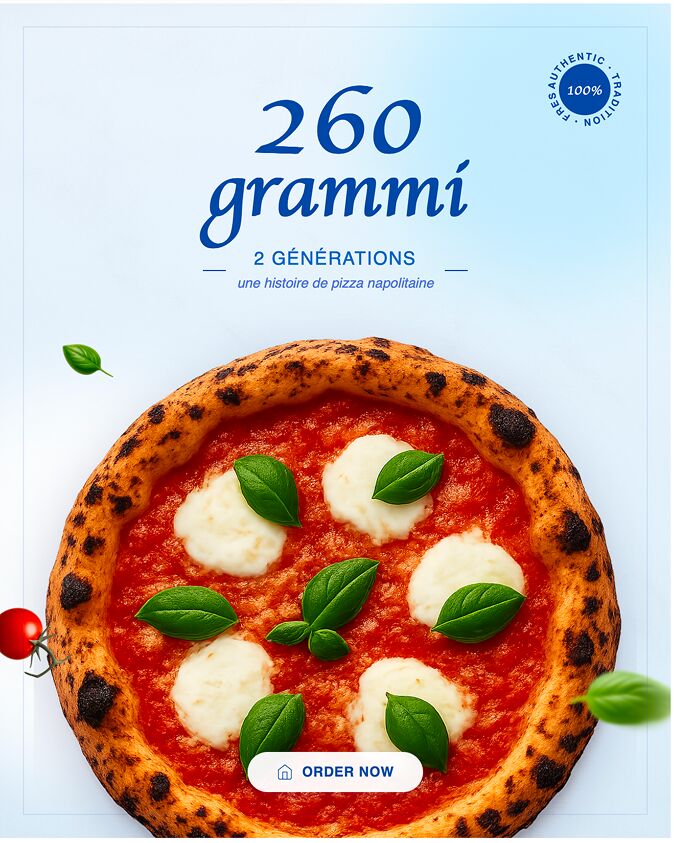
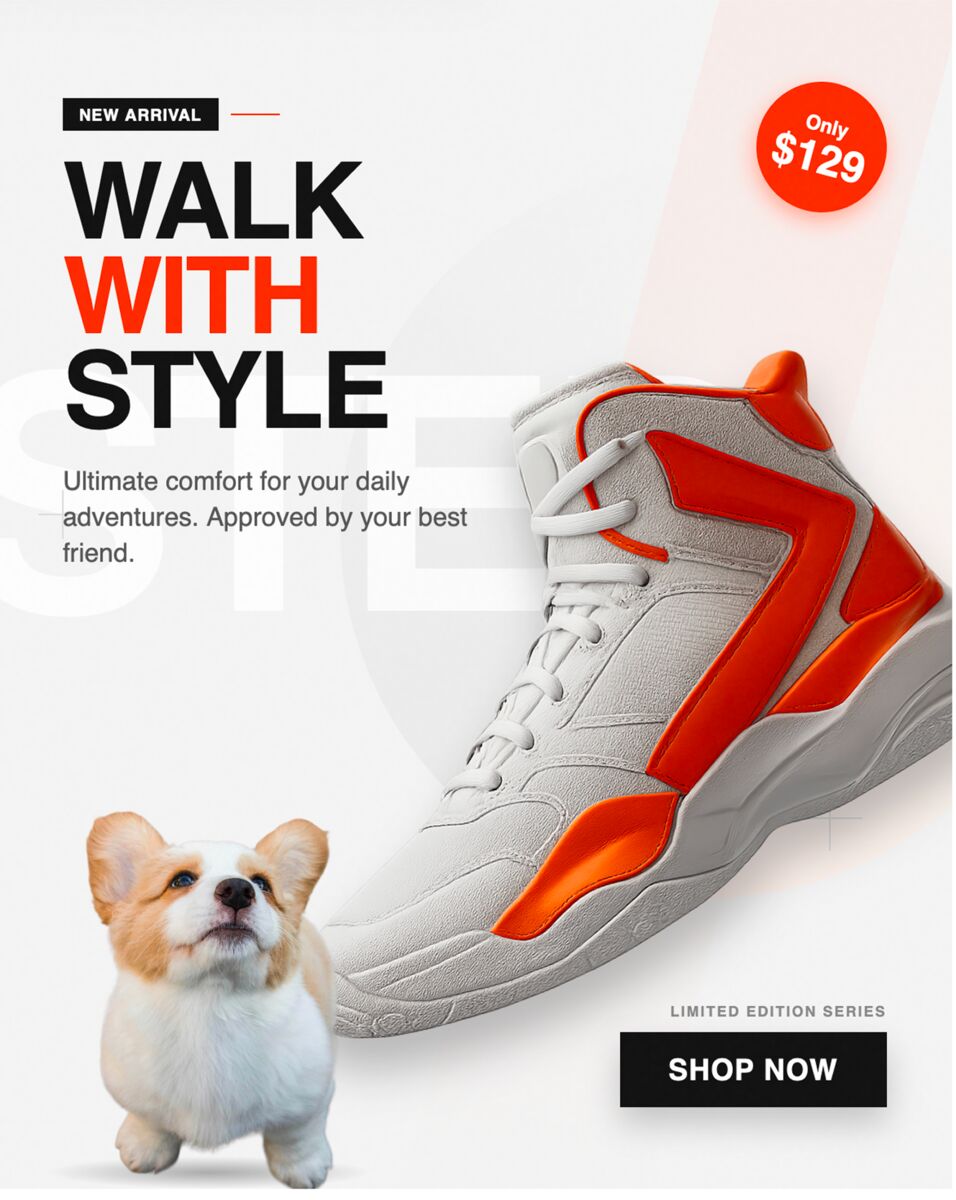
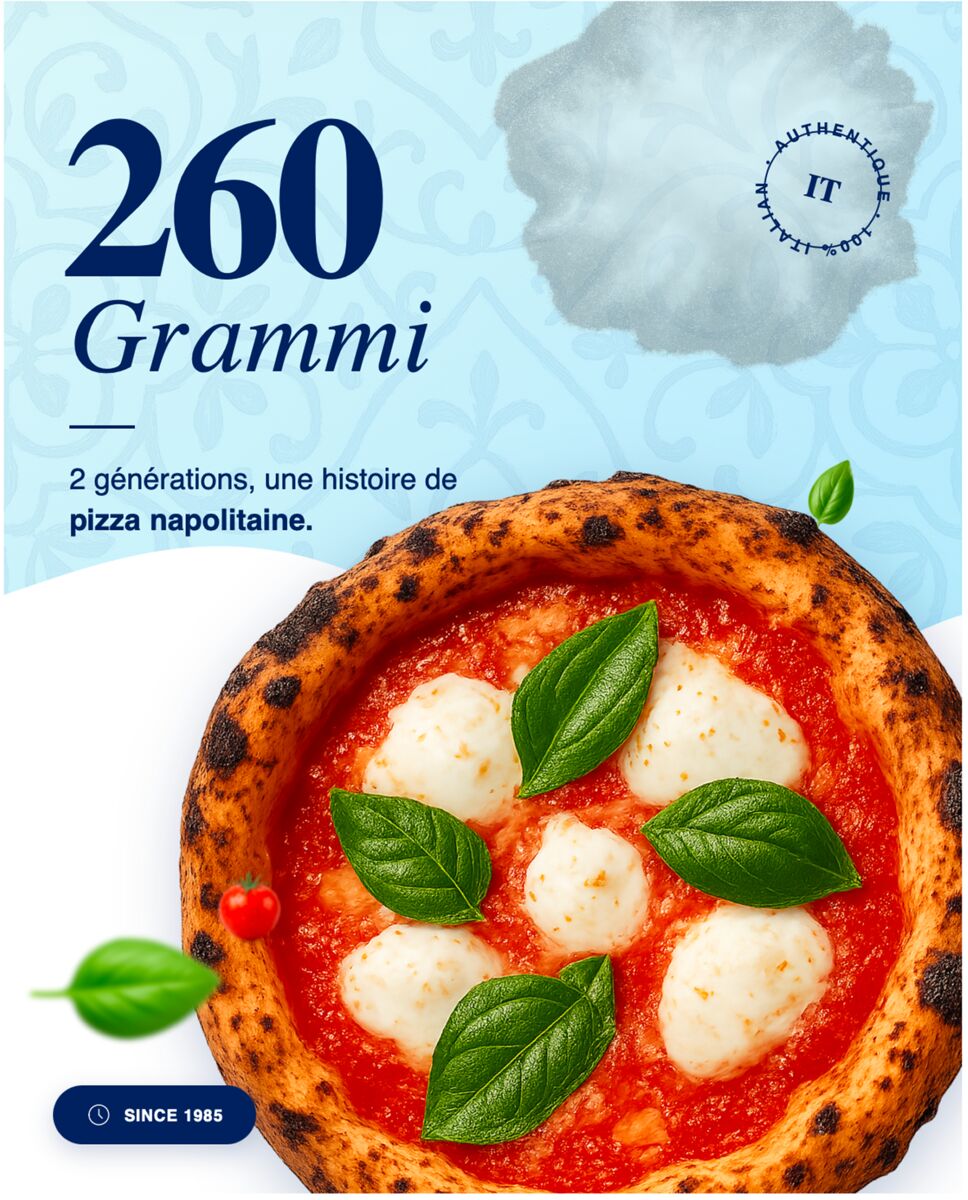
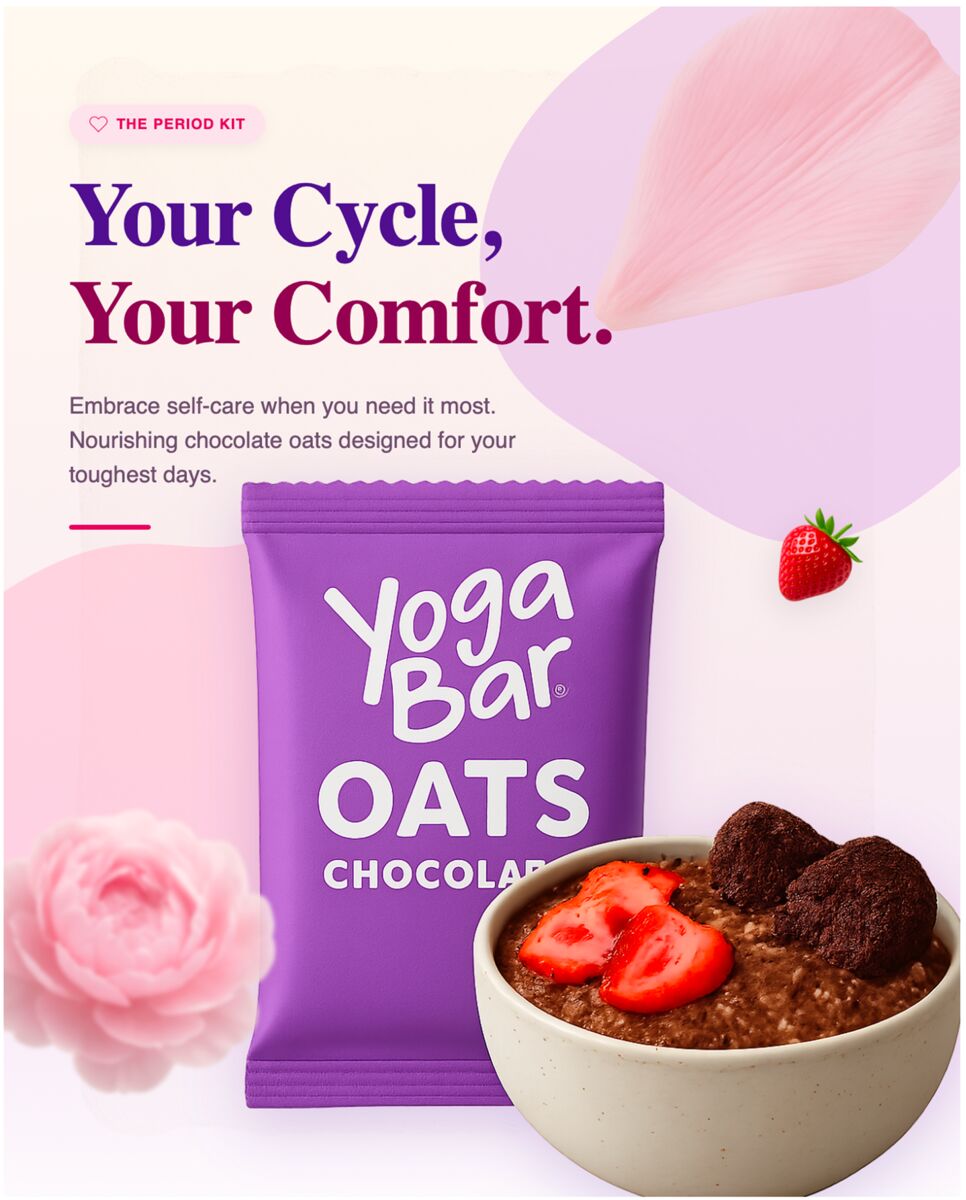
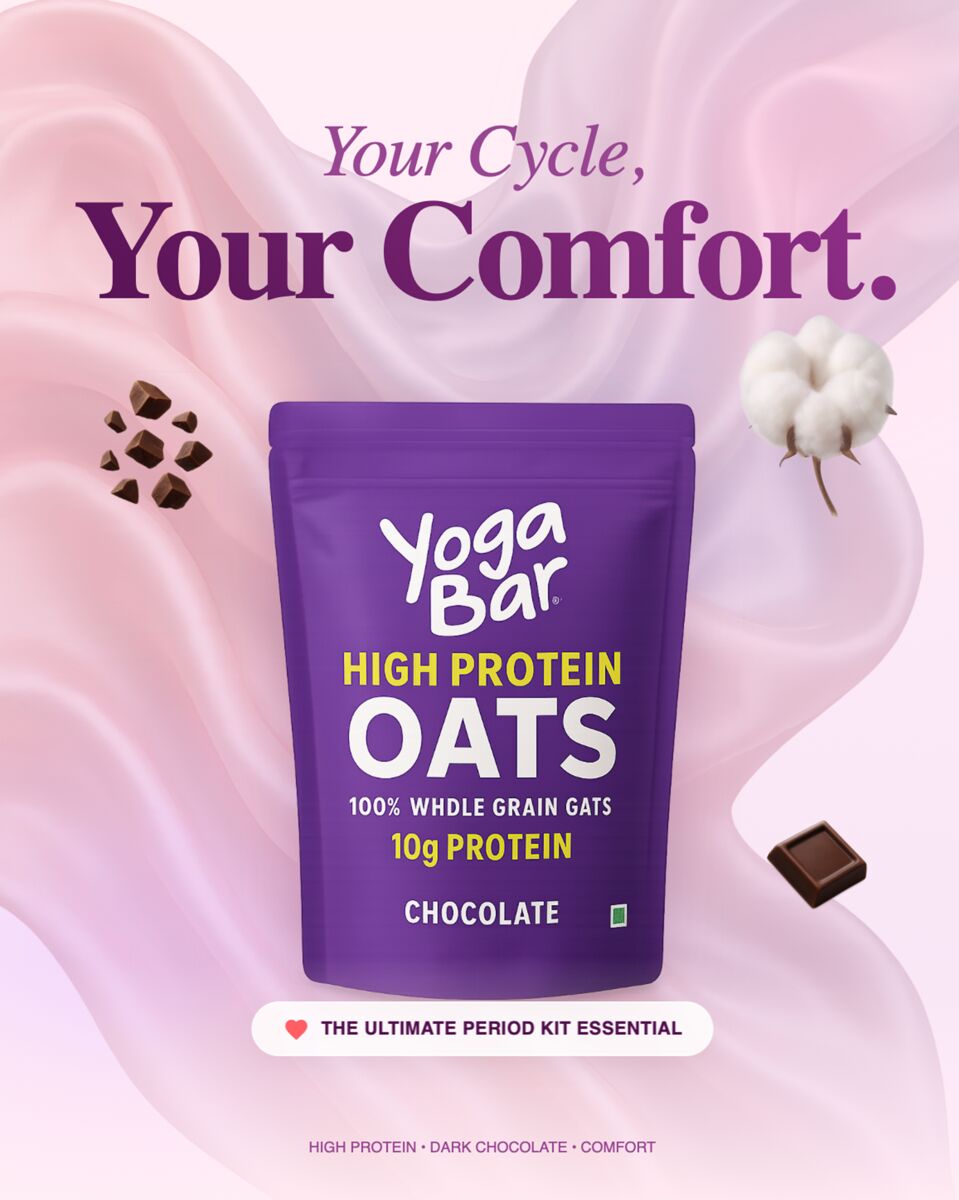
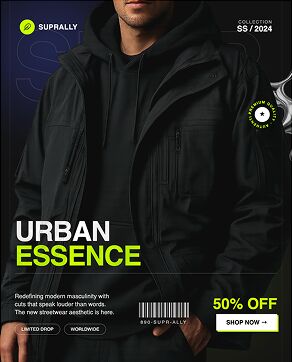
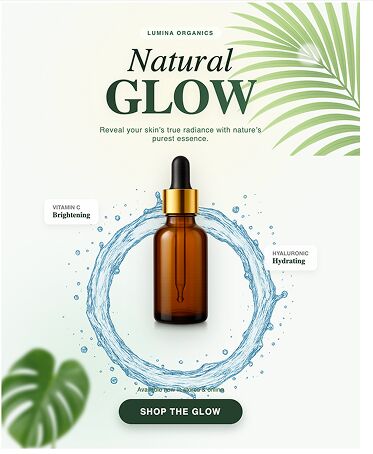
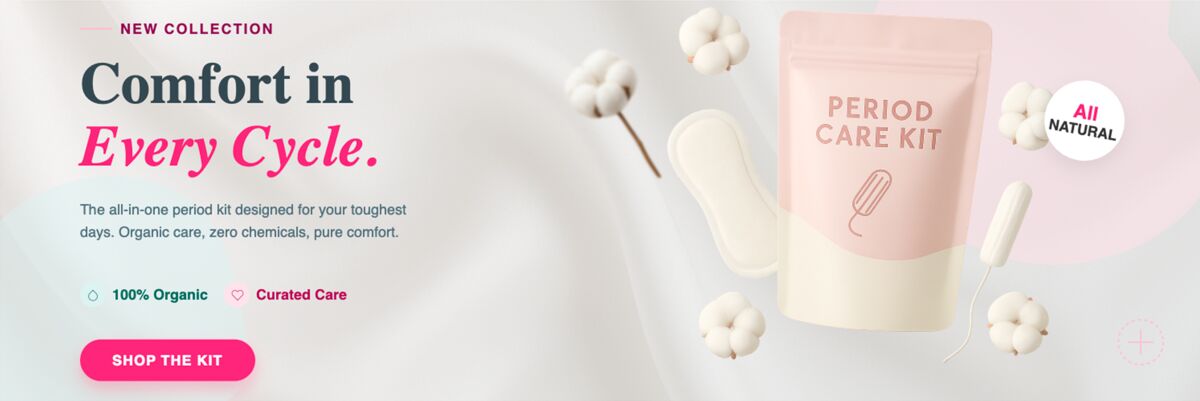
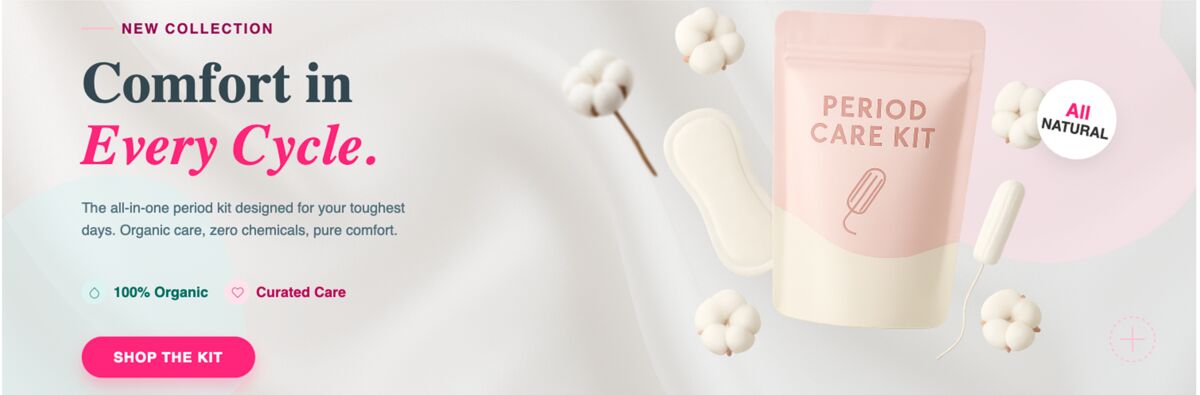
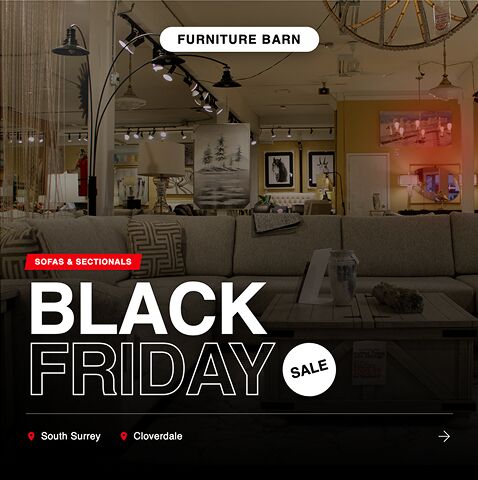
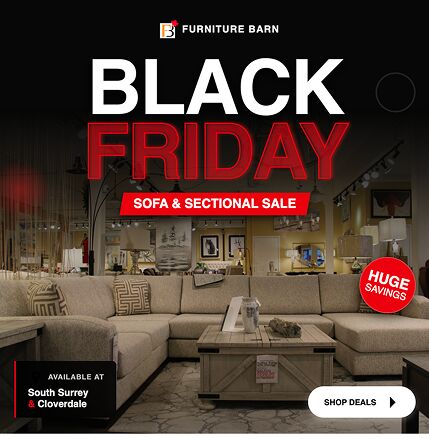
Instead of hunting templates in Canva, generate a fresh, brand‑compliant header for every brief. DesignLumo’s Email Header Maker produces layered, fully editable files in seconds, ready for Figma hand‑off.
Because the output stays editable, you can tweak copy, swap colors, or add a localized logo without opening a new design file. The same asset can serve Klaviyo, Mailchimp, and Litmus previews.
AI‑generated headers eliminate the “template fatigue” that slows agency workflows.
Image‑to‑text balance for deliverability and engagement
Spam filters still flag emails with high image‑to‑text ratios. Aim for a 60/40 split: 60% text, 40% visual. Use concise hero copy over large background images.
- Place the main value proposition in a heading tag (h1‑h2) inside the image.
- Include alt‑text that mirrors the headline for accessibility and deliverability.
- Add a short tagline below the hero image to boost the text count without extra design work.
Mobile‑first layout and responsive scaling
Over 70% of e‑commerce revenue now comes from mobile devices. Design headers at a 600‑pixel width and ensure key elements sit within a 480‑pixel safe zone.
- Use a single‑column hierarchy; side‑by‑side elements collapse poorly.
- Keep call‑to‑action buttons at least 44 px tall for thumb interaction.
- Test the header in Litmus’s mobile preview to catch truncation before launch.
CTA placement that converts on every device
The CTA should appear both inside the hero image (as overlay text) and immediately below it as a native button. This redundancy captures users who disable images.
Use contrasting brand colors for the button, and keep the copy action‑oriented: “Shop the Sale,” “Start Free Trial,” or “Claim Your Discount.”
When the CTA lives in two formats—visual and HTML—you protect click‑through rates against image blocking.
Streamlined A/B testing workflow
Create two header variants in minutes: swap the hero image, change the CTA color, or adjust the headline length. Because each version is a layered file, you can export both PDFs with a single click.
- Label variants clearly in Figma (Header‑A, Header‑B).
- Upload both assets to Klaviyo’s split test module.
- Measure open‑rate lift and click‑through improvement after 48 hours.
Action checklist for the next campaign
- Brief: Define brand colors, hero message, and CTA text.
- Generate header with DesignLumo’s Email Header Maker.
- Validate 60/40 image‑to‑text ratio and mobile safe zone.
- Add native CTA button below the image.
- Set up A/B test with two header versions.
- Run Litmus preview on 5 devices before scheduling.
Follow this flow and you’ll cut header production time in half while boosting deliverability, mobile engagement, and conversion rates.
Topics covered
Create with DesignLumo




Ready to create your first design?
Join thousands creating professional designs in seconds.
Related articles
A/B Testing Email Visuals: What Actually Moves the Needle for Agencies
Learn which email header and hero image elements to A/B test, how to structure experiments, and read results that boost e‑commerce and SaaS campaigns.
The Ad Creative Brief Template for Performance Agencies
A fill‑in‑the‑blank Facebook ad brief that cuts revisions, speeds up 10+ variant creation, and beats creative fatigue for performance marketers.
Ad Creative Formats That Actually Convert in 2026
Discover the 4 ad creative formats that consistently convert email campaigns in 2026, with clear use‑cases for e‑commerce and SaaS agencies.