Building a Design System for Multiple Clients: A Playbook for Facebook & Meta Ad Agencies
Learn how Facebook ad agencies can create scalable brand kits, modular templates, and reusable assets to crush creative fatigue and boost A/B testing speed.
Meta campaigns demand fresh visuals every few days. Without a system, designers scramble for new ideas, leading to fatigue and inconsistent brand signals across clients.

Why a Design System Matters for Meta Ad Agencies
A solid design system turns "10 variants per campaign" from a nightmare into a repeatable process.
Start with a Client‑Level Brand Kit
Collect the immutable elements—logo, color palette, typefaces, and tone of voice—once per client. Store them in a shared folder and lock them down in your design tool.
- Primary & secondary colors with HEX and CMYK values
- Font families and hierarchy (headline, subheadline, body)
- Iconography style (line, solid, flat)
- Approved image treatments (duotone, overlay opacity)
When the brand kit is your foundation, every new ad inherits the same DNA, no matter who creates it.
Modular Templates for Hook Banners and Offer Graphics
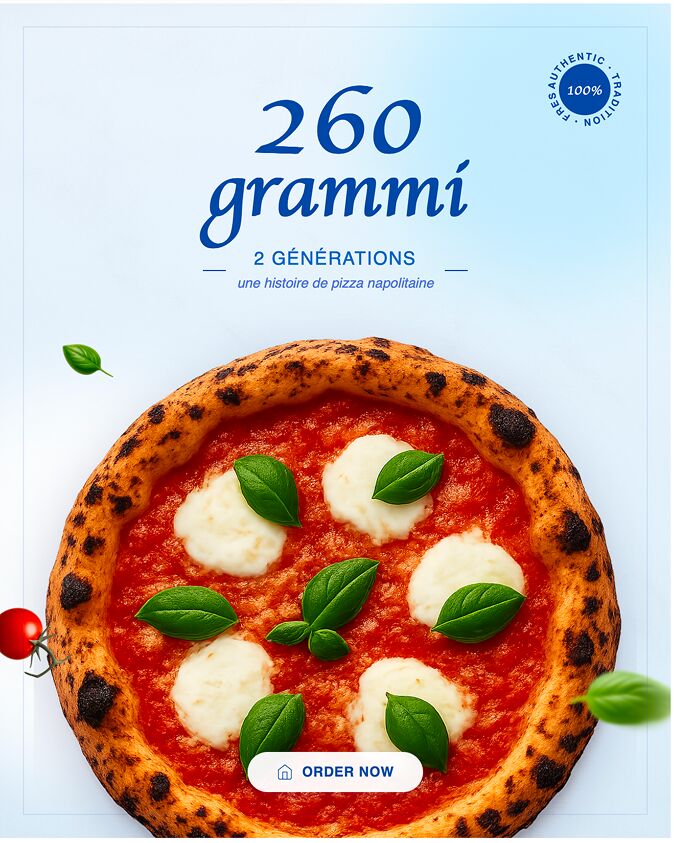
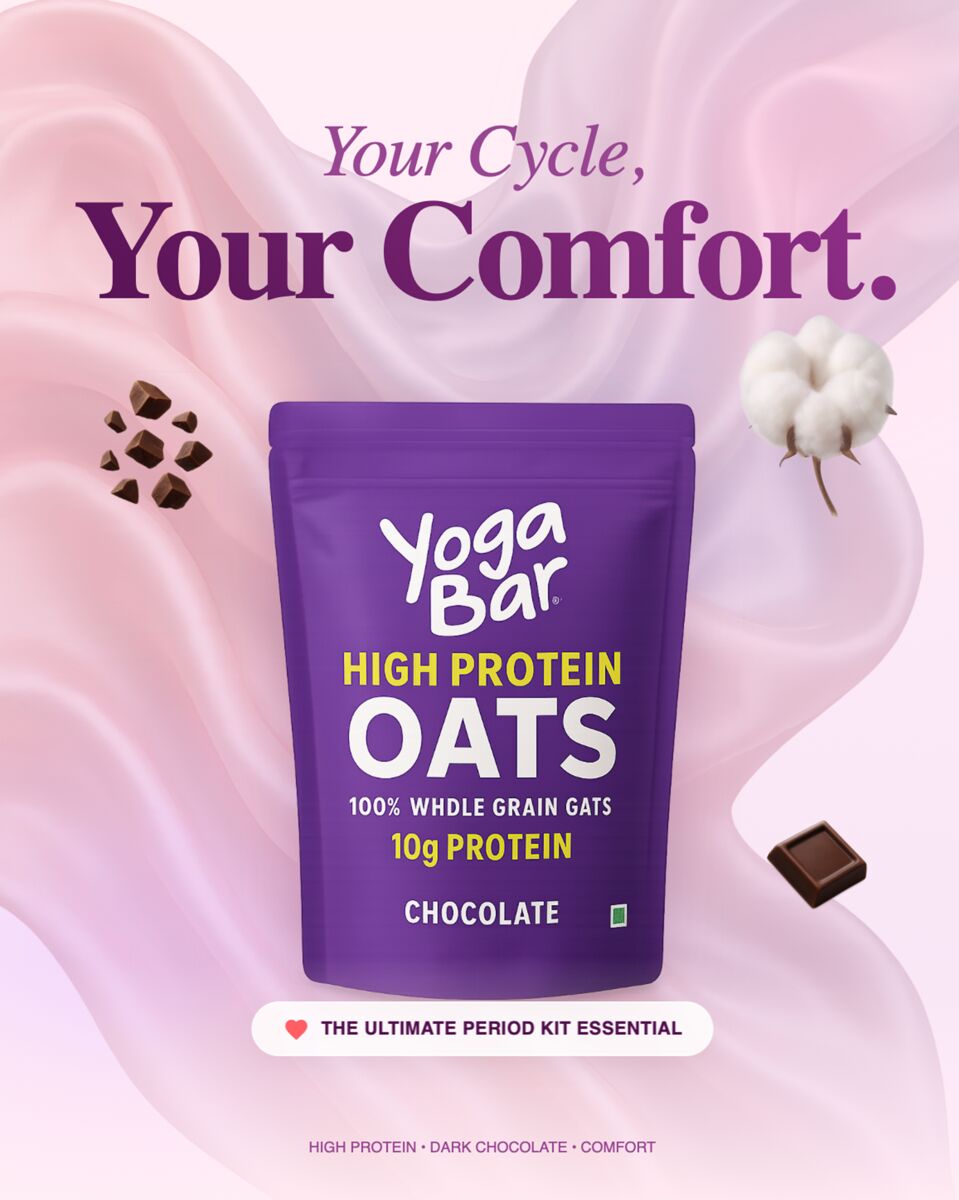
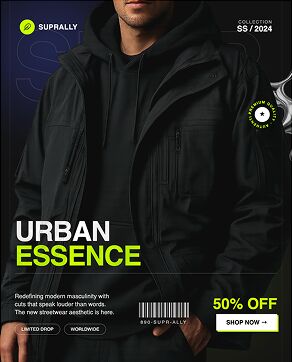
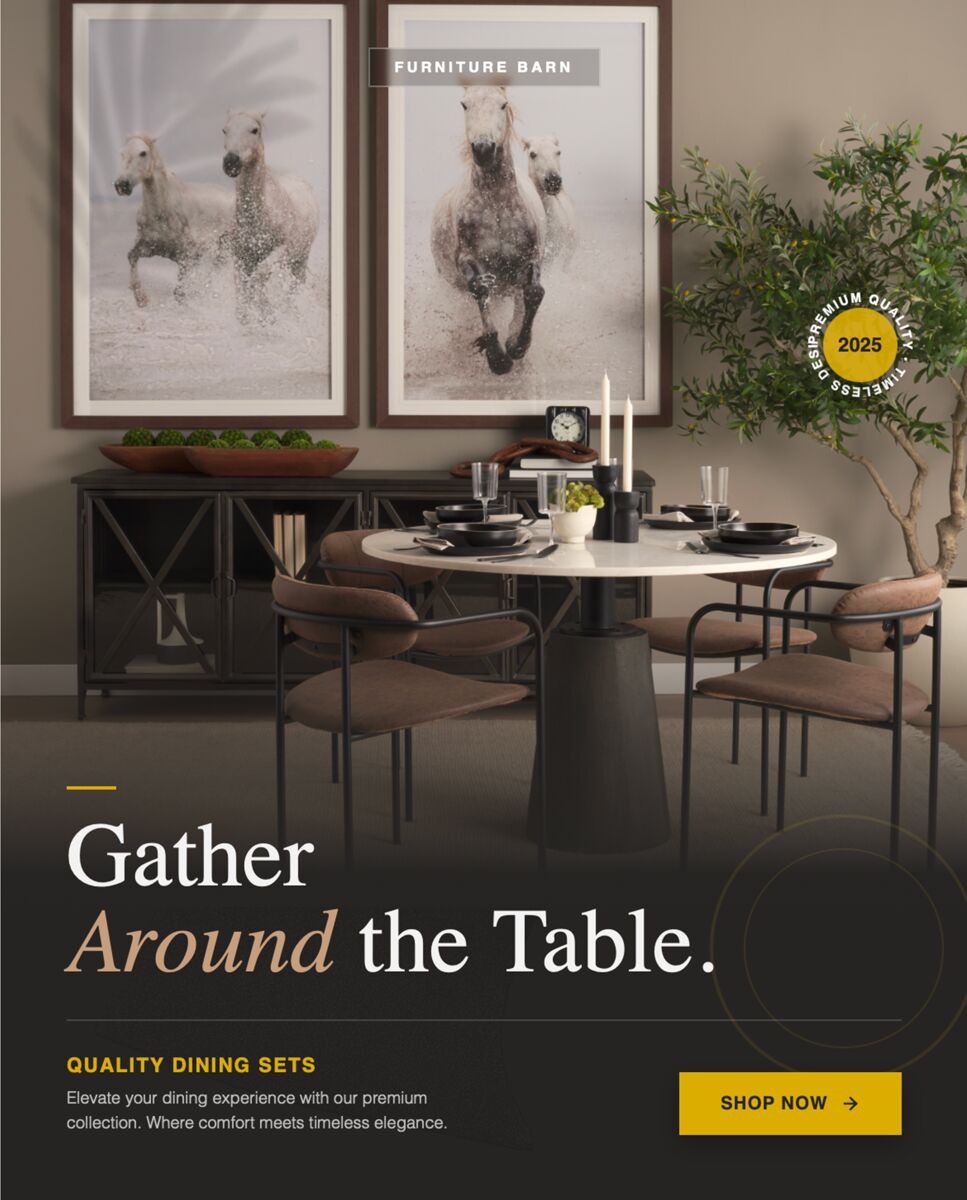
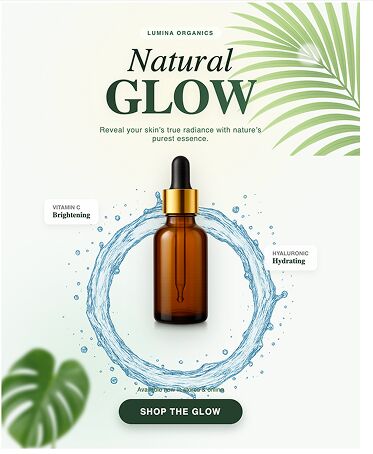
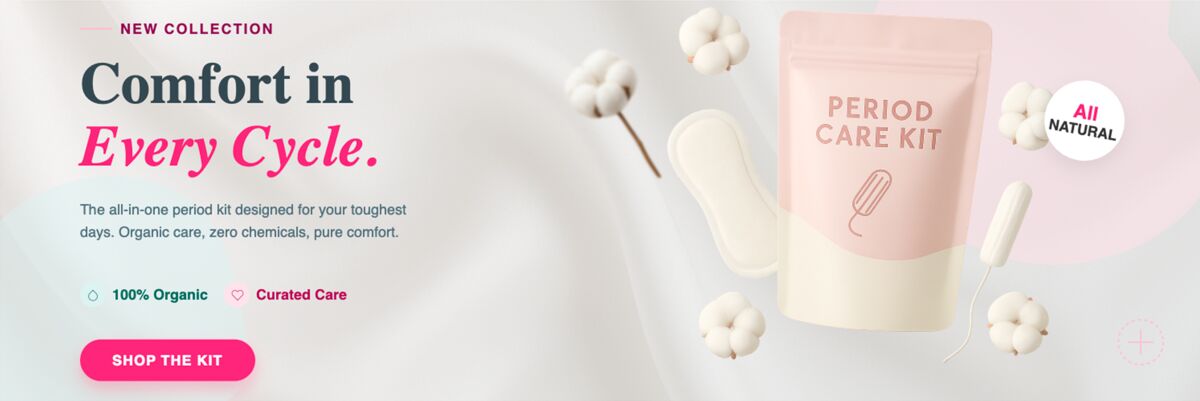
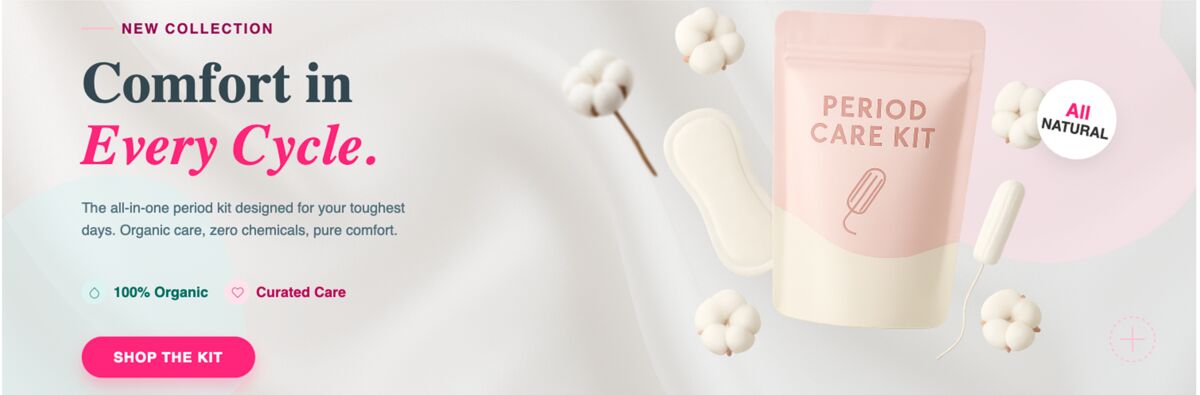
Break each ad type into reusable blocks: headline area, product image slot, badge layer, and CTA button. Swap blocks without rebuilding the whole file.
- Hook banner: bold headline + animated underline
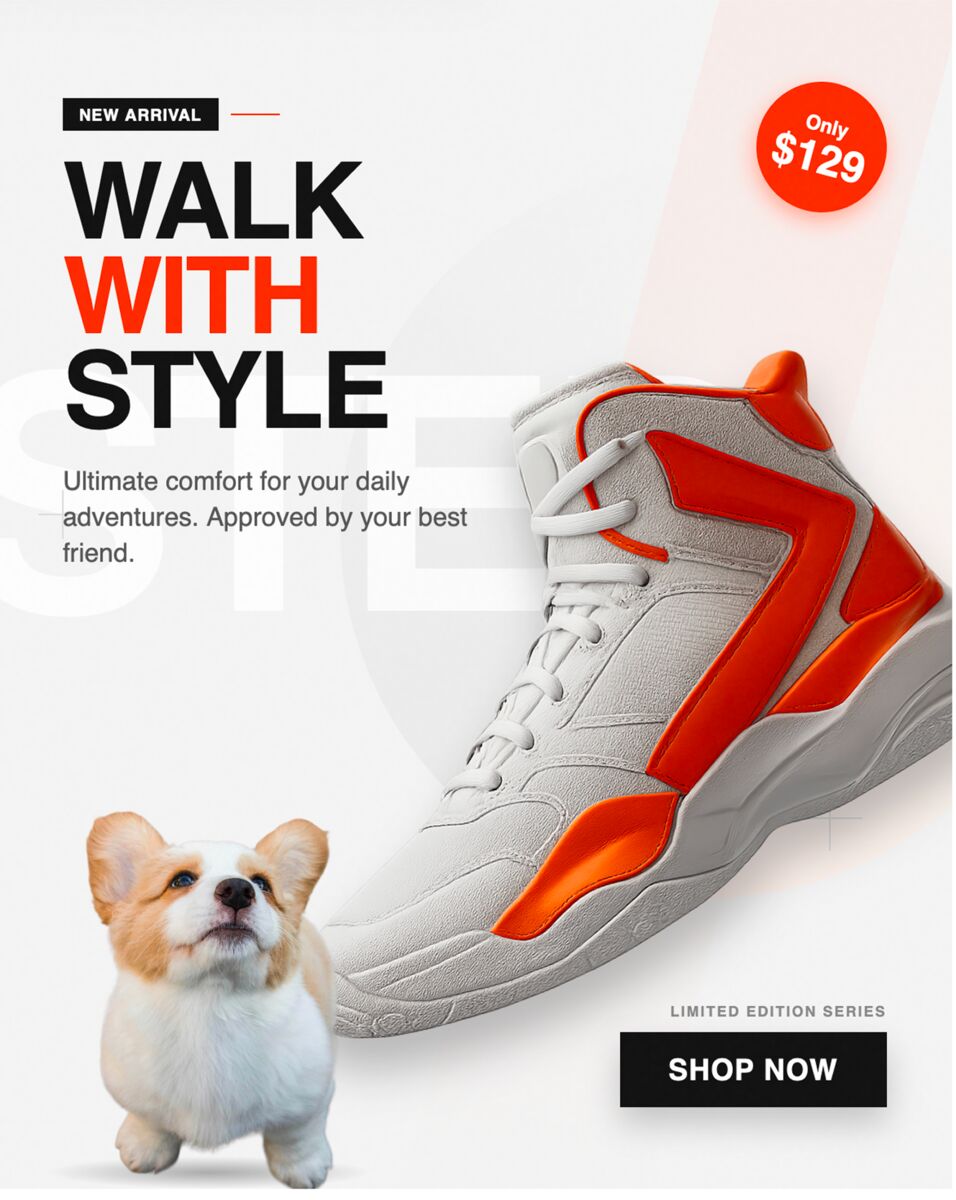
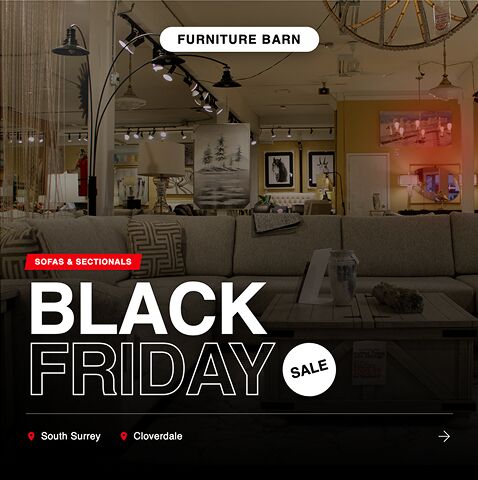
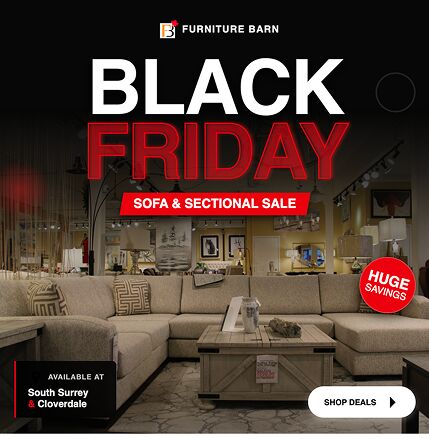
- Offer graphic: price tag badge + discount copy
- Retargeting visual: before/after split with overlay
DesignLumo’s Ad Creative Maker can generate these modules as fully editable layers, so you never start from a flat image again.
Reusable UGC and Before/After Assets
UGC feels authentic but still needs brand consistency. Create a master UGC frame—border, logo placement, and caption style—and reuse it for every user‑generated photo.
- Square Instagram‑style frame for carousel ads
- Overlay text block for testimonial snippets
- Before/after divider with consistent spacing
Treat each UGC piece as a data point, not a design job. Plug it into a pre‑built frame and you have a new ad in minutes.
Automating Variant Generation for A/B Tests
Scale A/B testing by programmatically swapping copy and visual elements. Use a spreadsheet to list headline variations, then feed them into your template.
- Create a CSV with headline, subheadline, and CTA text columns
- Link the CSV to your DesignLumo template via the AI prompt
- Export all variants as layered PSDs ready for Meta Ads Manager
Because the output remains editable, performance teams can tweak colors or spacing on the fly without reopening Photoshop.
Workflow Integration: From Sprint to Meta Ads Manager
Map the design system onto your weekly creative sprint. Assign a “template owner” to maintain modules, and a “variant owner” to run the CSV‑driven generator.
- Monday: Review performance data, decide which hooks need fresh variants
- Tuesday‑Wednesday: Update CSV with new copy, run DesignLumo batch export
- Thursday: Upload layered files to Meta Ads Manager, assign naming conventions
- Friday: QA, schedule, and document learnings for the next sprint
When the system is baked into the sprint cadence, you eliminate last‑minute design fires and keep the creative pipeline flowing.
Topics covered
Create with DesignLumo



Ready to create your first design?
Join thousands creating professional designs in seconds.
Related articles
A/B Testing Ad Visuals: What Actually Moves the Needle
Learn which visual elements to test, how to structure reliable A/B experiments, and read results that truly lift ROI for agency clients.
The Ad Creative Brief Template for Performance Agencies
A fill‑in‑the‑blank Facebook ad brief that cuts revisions, speeds up 10+ variant creation, and beats creative fatigue for performance marketers.
Building a Design System for Multiple Clients
Learn how full-service digital agencies can create scalable brand kits, templates, and reusable assets to speed up multi-client campaigns.