Building a Design System for Multiple Clients
Learn how email agencies can build scalable design systems, reusable brand kits, and fast A/B assets to eliminate header bottlenecks and speed up campaigns.
Each campaign starts with a brief, but the first visual deliverable—usually a hero image or banner—requires a fresh design. Agencies spend 30‑45 minutes per client just to pull fonts, colors, and copy into a new canvas.

Why Email Headers Become a Bottleneck
- Copy changes every promotion
- Brand guidelines differ per client
- Canva templates need manual tweaking
When the header stalls, the entire email timeline shifts. Eliminating that friction unlocks faster testing and higher revenue.
Codify Every Client’s Brand DNA in a Central Brand Kit
Gather each client’s fonts, color codes, logo variations, and tone guidelines into a single Figma file. Treat it as the source of truth, not a collection of PDFs.
- Create a page per client
- Add a “Tokens” section for colors and typography
- Upload SVG logos in both dark and light variants
Create a Master Template Library in Figma
Design reusable frames for hero images, promotional banners, and abandoned‑cart graphics. Use auto‑layout so copy length never breaks the layout.
- Hero frame: 600 px wide, 300 px tall, placeholder for product image
- Banner frame: 600 px wide, 150 px tall, headline and CTA layer
- Newsletter header: full‑width background with overlay text
Turn Static Figma Mockups into Fully Editable Email Assets
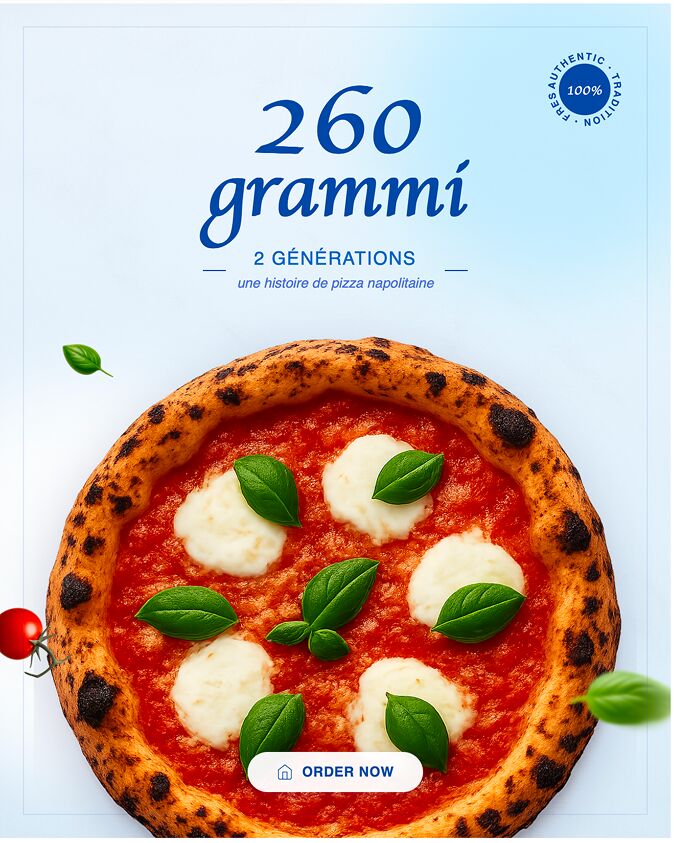
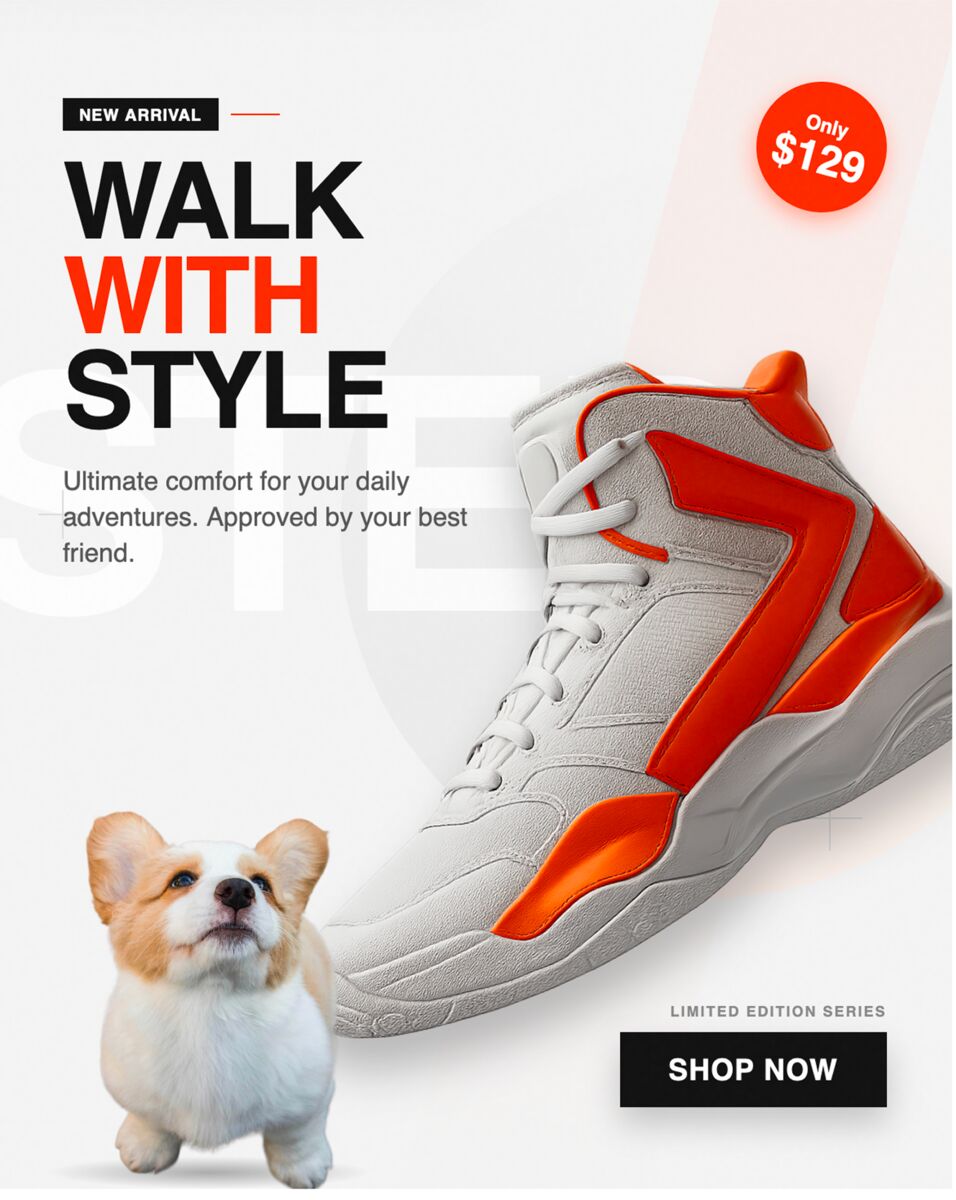
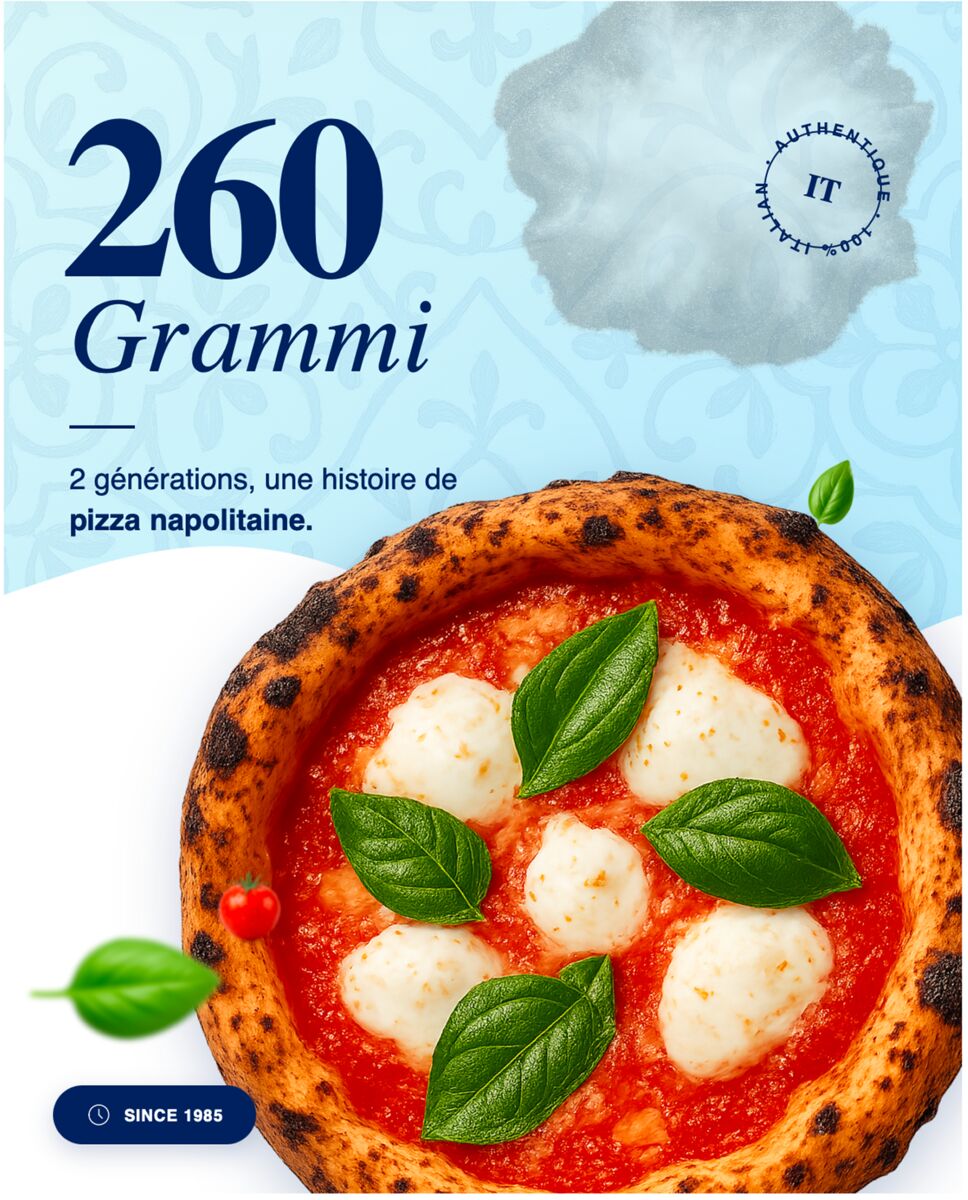
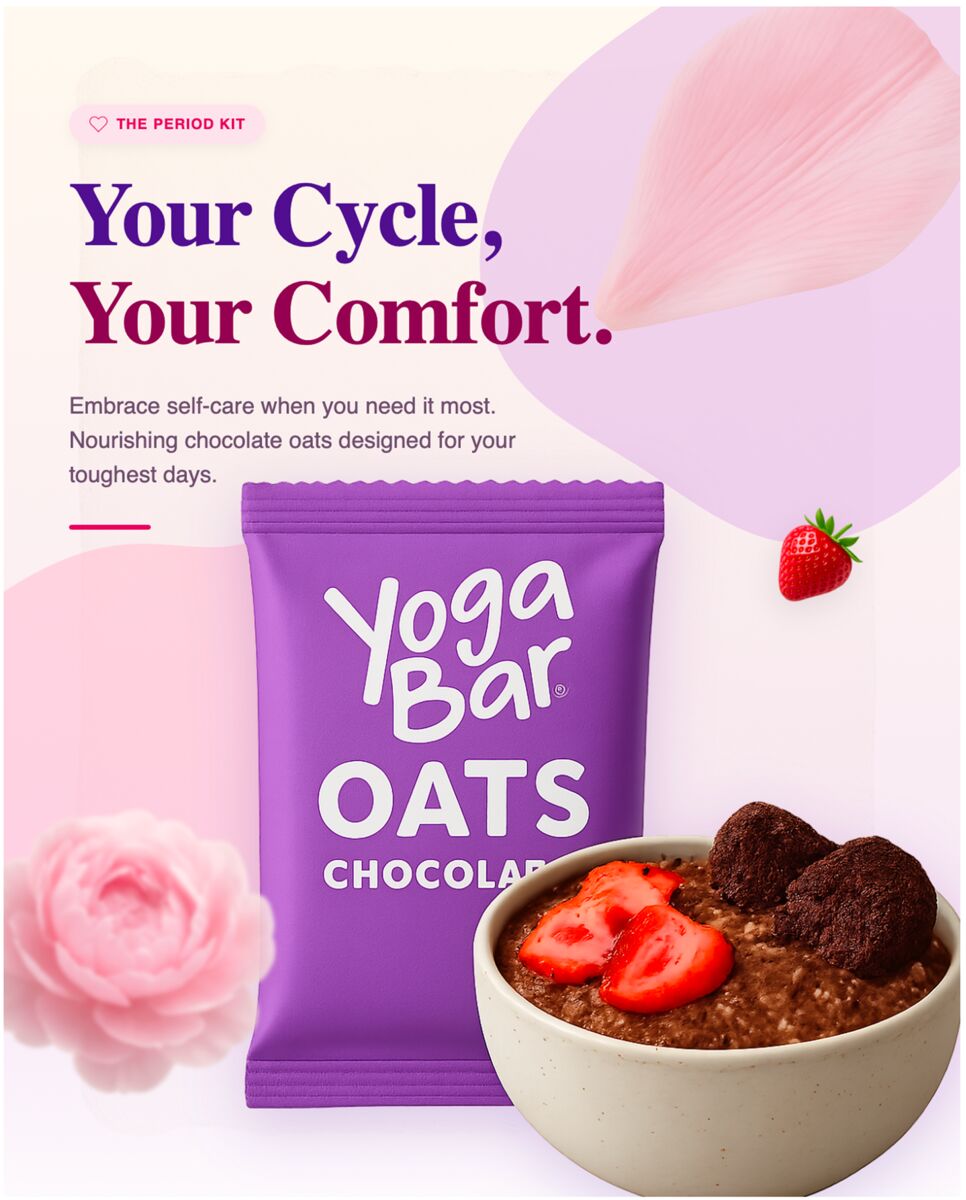
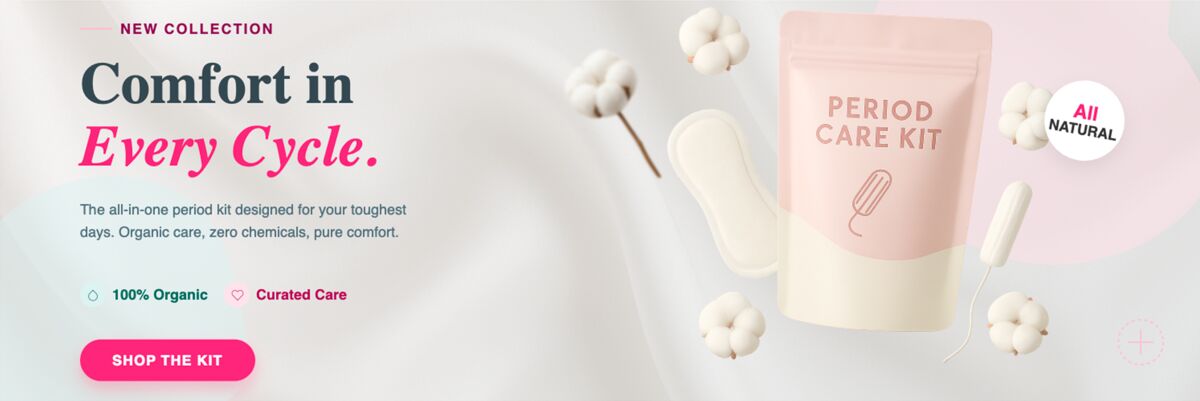
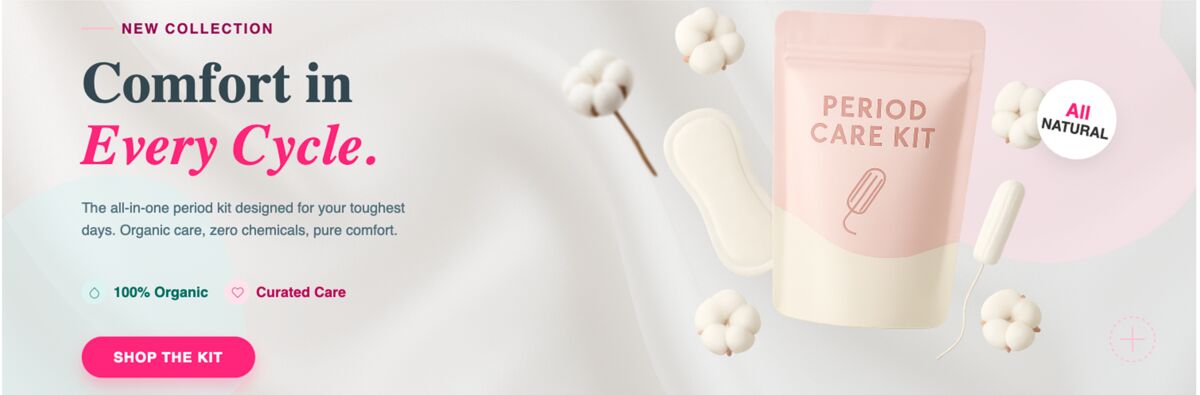
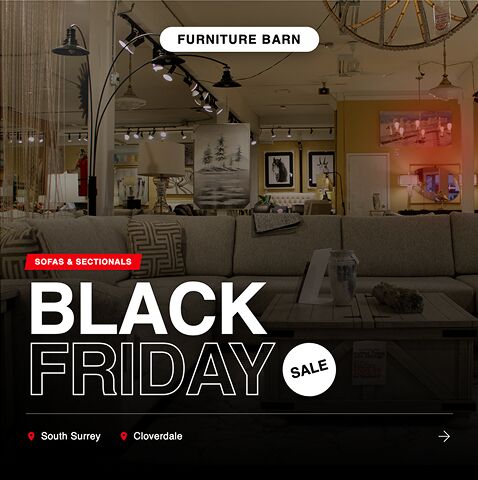
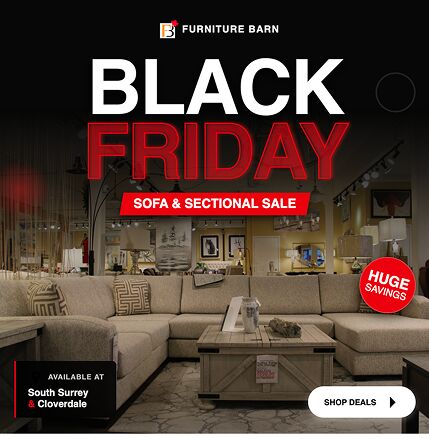
Export the frames to Email Header Maker. DesignLumo converts the description into a layered, editable file that your copy team can tweak directly in the email builder.
Because the output is not a flat image, you retain access to individual text layers, colors, and icons—exactly what you lose with Canva templates.
Generate A/B Variants at Scale
When a client wants two headline styles or a color swap, duplicate the master component and toggle the token values. No need to rebuild from scratch.
- Variant A: Primary brand color for CTA
- Variant B: Secondary accent color for CTA
- Variant C: Alternate headline copy
Seasonal Collections: Naming, Tagging, and Storage
Create a folder hierarchy in Figma that mirrors the calendar—Q1‑2025, Q2‑2025, etc. Prefix each file with client code, season, and asset type.
- BRND‑HOL‑HERO‑01
- BRND‑SPR‑BANNER‑02
- BRND‑FALL‑NEWS‑03
Consistent naming turns a chaotic asset dump into a searchable library.
From Brief to Send: A Streamlined Workflow
1️⃣ Campaign brief lands in Slack or Asana. 2️⃣ Designer pulls the appropriate master frame from the brand kit. 3️⃣ Copy is dropped into the editable layers. 4️⃣ Export to Klaviyo or Mailchimp via DesignLumo’s native download. 5️⃣ Litmus tests the email, then you hit send.
- Reduce header production time from 45 min to under 10 min
- Enable three A/B variants without extra design hours
- Keep every seasonal asset in one searchable Figma file
A well‑built design system lets your agency scale from one client to dozens without adding headcount.
Topics covered
Create with DesignLumo



Ready to create your first design?
Join thousands creating professional designs in seconds.
Related articles
A/B Testing Email Visuals: What Actually Moves the Needle for Agencies
Learn which email header and hero image elements to A/B test, how to structure experiments, and read results that boost e‑commerce and SaaS campaigns.
A/B Testing Ad Visuals: What Actually Moves the Needle for YouTube Growth Agencies
Learn the visual elements that truly boost thumbnail CTR for YouTube agencies, how to structure A/B tests, and read results that drive growth.
The Email Creative Brief Template Performance Agencies Need
A fill‑in‑the‑blank email creative brief that cuts revisions, speeds hero image production, and powers A/B testing for e‑commerce and SaaS campaigns.