Solving Creative Fatigue: How Email Agencies Keep Ads Fresh
Learn how email marketing agencies beat creative fatigue with rotation strategies, AI‑generated variants, and a disciplined refresh cadence for ads and headers.
An unchanged hero image across campaigns creates visual monotony. Open rates drop 12‑15 % after the third repeat exposure, according to Litmus benchmarks.

Why Static Email Headers Drain Performance
Your copy team may be ready, but the design bottleneck—especially header graphics—holds the whole pipeline hostage.
Creative fatigue isn’t a talent issue; it’s a process issue.
Define a Rotation Cadence That Matches Your Send Frequency
Map your campaign calendar first. High‑frequency e‑commerce brands often send 3‑5 emails per week, while SaaS newsletters hit once a week.
- Weekly cadence → refresh hero image every 2 weeks
- Bi‑weekly cadence → rotate header set every 4 weeks
- Monthly cadence → introduce a new seasonal template each month
Tie the refresh schedule to a Google Sheet that flags when a header reaches its expiry, turning a vague intuition into a concrete deadline.
Build a Modular Asset Library Instead of One‑off Templates
Start with core components: background texture, brand color overlay, call‑to‑action button style, and placeholder for product image.
- Store each component as a separate Figma frame
- Tag assets with version numbers and use cases (e.g., “Holiday 2024 – Banner”)
- Create a master “Header Master” file that pulls in any component via Figma’s library feature
When a new product drops, you only swap the product image layer—no redesign from scratch.
Use AI to Generate Variant Sets in Minutes
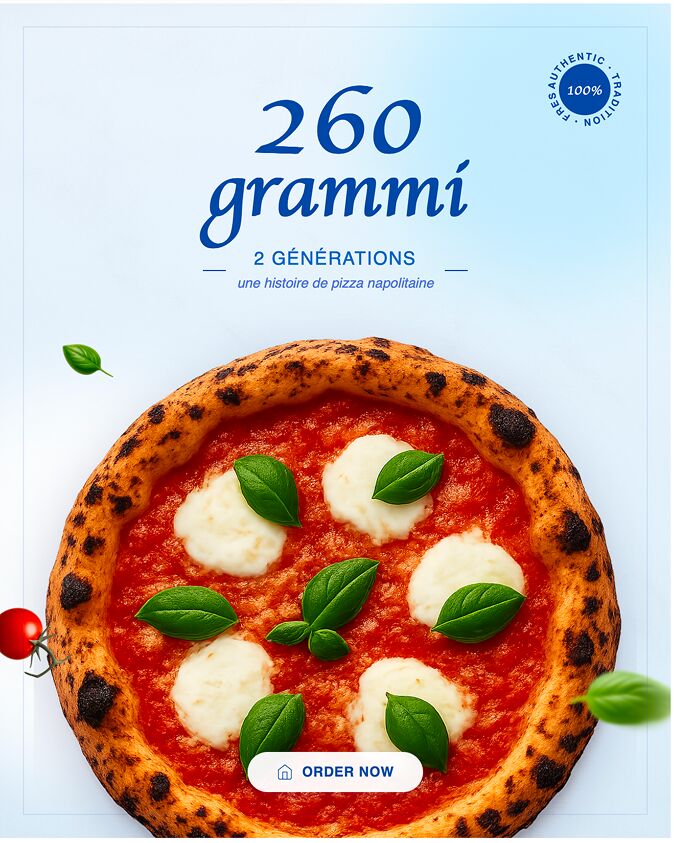
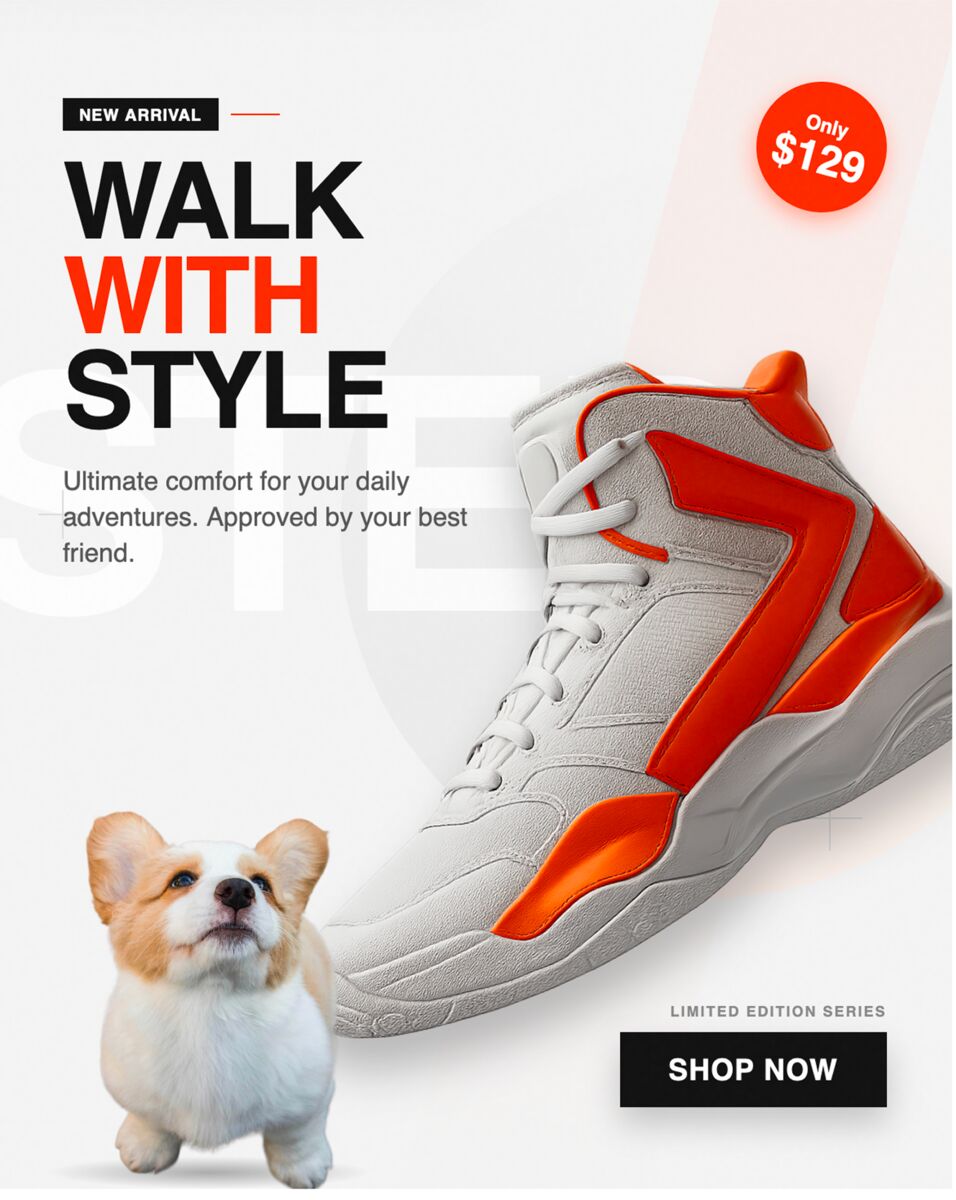
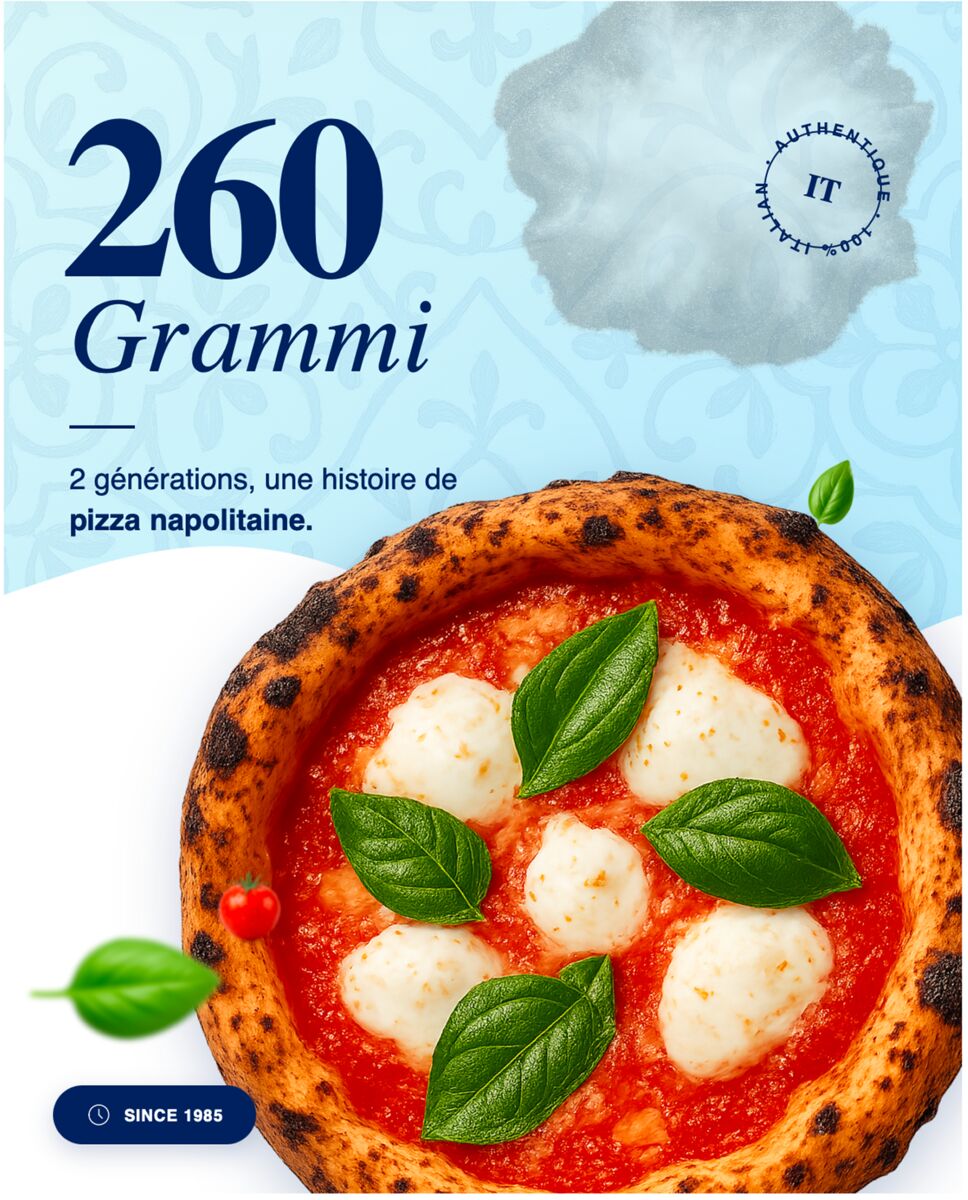
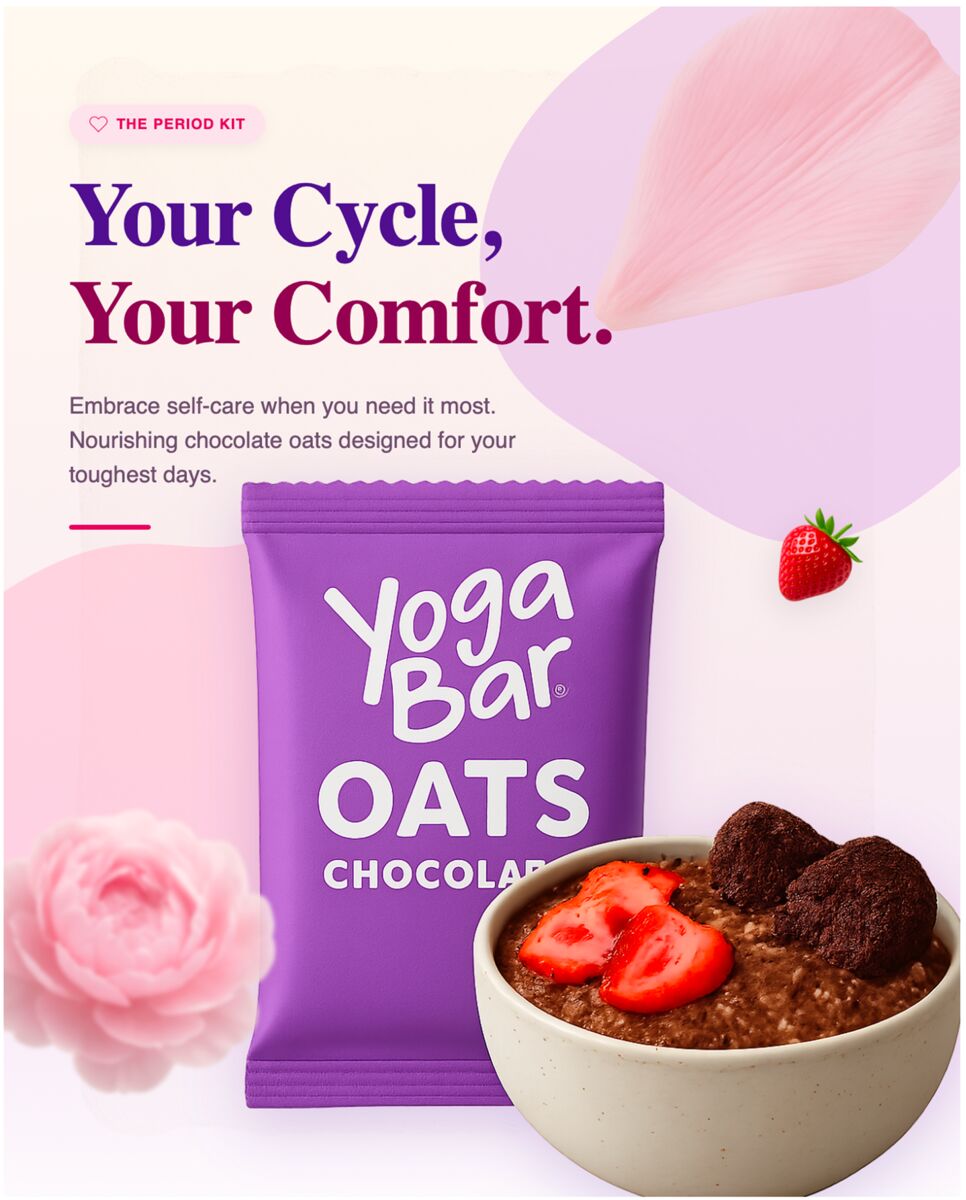
Instead of hand‑crafting 5‑10 A/B variants, feed a short brief into Email Header Maker. The tool outputs fully editable, layered files you can drop into Figma.
- Prompt: “Create 4 spring‑sale hero images for a fashion e‑commerce brand, using pastel palette and space for 2‑line headline.”
- Result: 4 distinct PSD/Sketch files with editable text, colors, and image placeholders
- Export to PNG for quick Litmus testing, then back‑link to the original editable source
Because the output is editable, you can fine‑tune fonts or swap a product image without breaking the layout.
Integrate Variants Directly into Klaviyo or Mailchimp
Upload each variant to your asset folder in Klaviyo, label them with the rotation date, and use a simple conditional block to pull the right header based on the campaign schedule.
- Create a “Header Rotation” custom property (e.g., header_2024_04)
- Set the property value in the campaign’s pre‑send step
- Reference the property in the email template: {{ header_2024_04 }}
Mailchimp’s Content Studio works the same way—just tag assets with the same date‑based naming convention.
Measure Fatigue and Iterate the Library
Track open and click‑through deltas per header version in Klaviyo’s analytics. A drop of more than 5 % signals the need for a refresh.
- Log each version’s performance in a shared Airtable
- Set a rule: retire any version that falls under the 5 % threshold for two consecutive sends
- Feed the retirement data back into your AI prompt to generate the next batch
When performance data drives design rotation, fatigue becomes a metric, not a mystery.
Topics covered
Create with DesignLumo





Ready to create your first design?
Join thousands creating professional designs in seconds.
Related articles
A/B Testing Email Visuals: What Actually Moves the Needle for Agencies
Learn which email header and hero image elements to A/B test, how to structure experiments, and read results that boost e‑commerce and SaaS campaigns.
The Email Creative Brief Template Performance Agencies Need
A fill‑in‑the‑blank email creative brief that cuts revisions, speeds hero image production, and powers A/B testing for e‑commerce and SaaS campaigns.
Ad Creative Formats That Actually Convert in 2026
Discover the 4 ad creative formats that consistently convert email campaigns in 2026, with clear use‑cases for e‑commerce and SaaS agencies.