Content Repurposing System: One Piece, 10 Formats for Email Marketing Agencies
Turn a single email hero or banner into 10 reusable graphics, carousels, and ads. Cut design time, boost A/B testing, and scale campaigns.
Email agencies juggle dozens of hero images each month. The bottleneck appears when a fresh header is needed for a flash sale or a seasonal push. Each delay adds hours to the brief → design → build pipeline.

Why a Repurposing System Matters
A single, well‑crafted visual can power the entire campaign ecosystem—email, SMS, social, and paid ads—if you have a disciplined repurposing framework.
Pinpoint the Core Asset
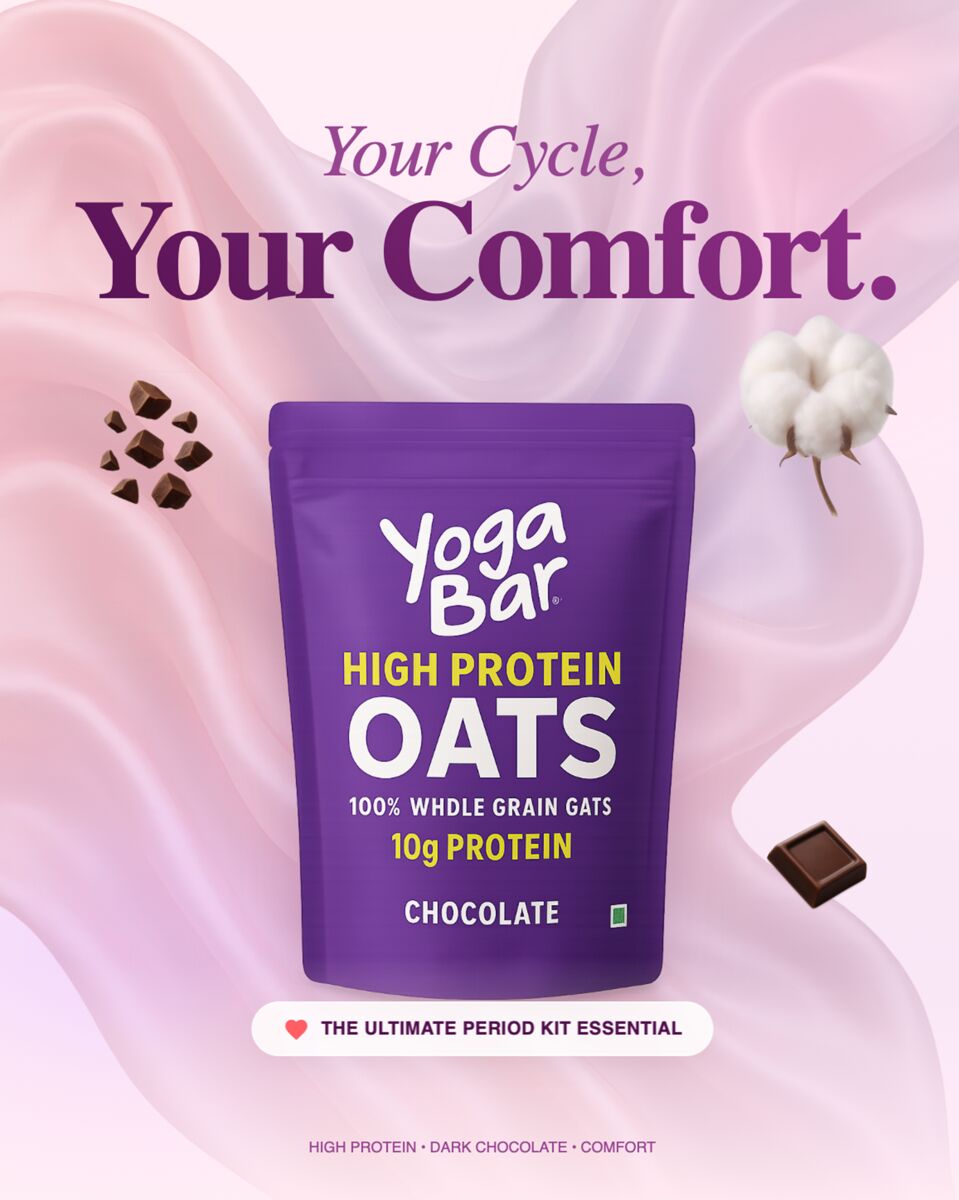
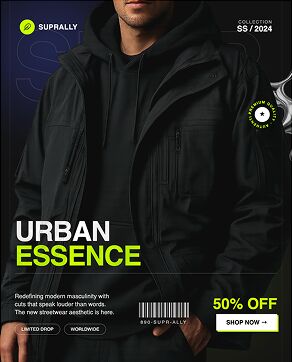
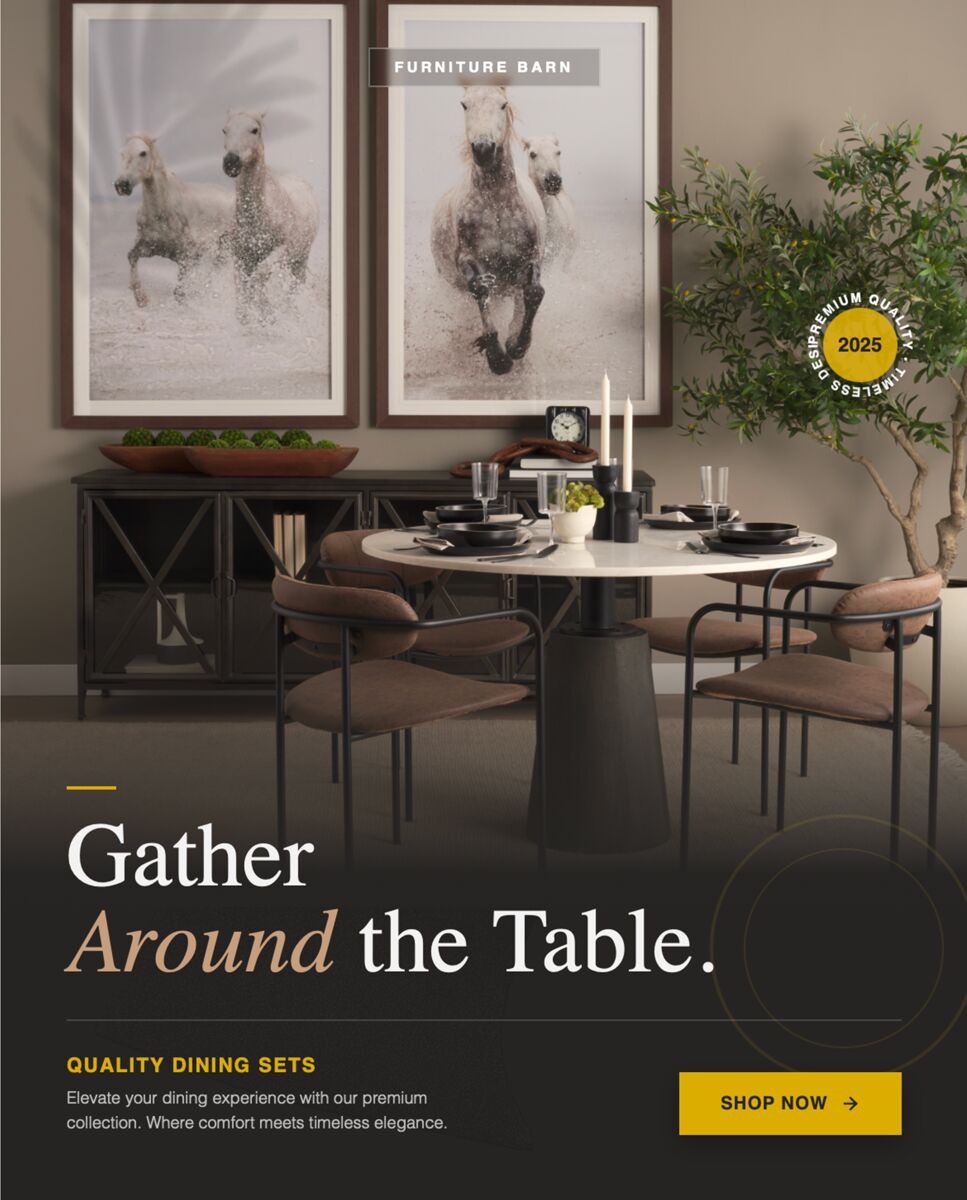
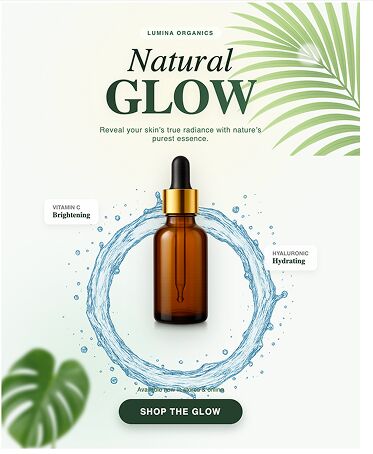
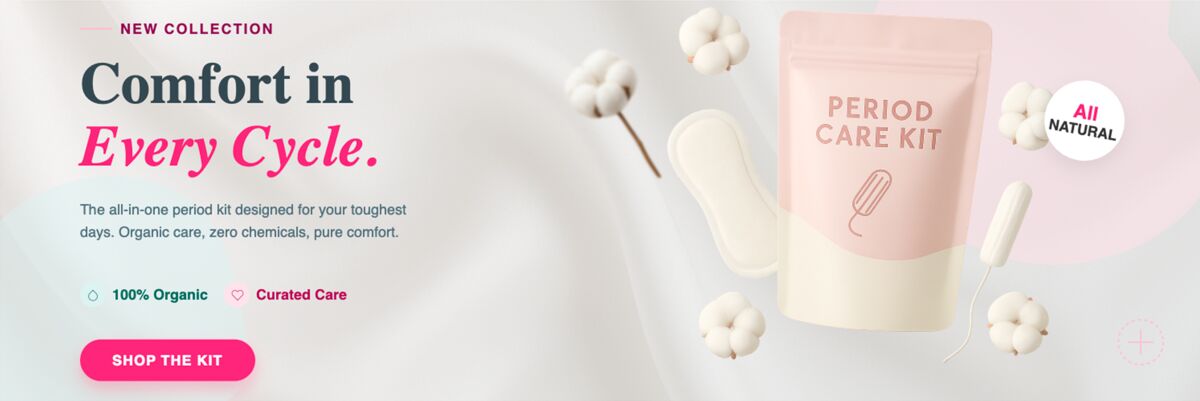
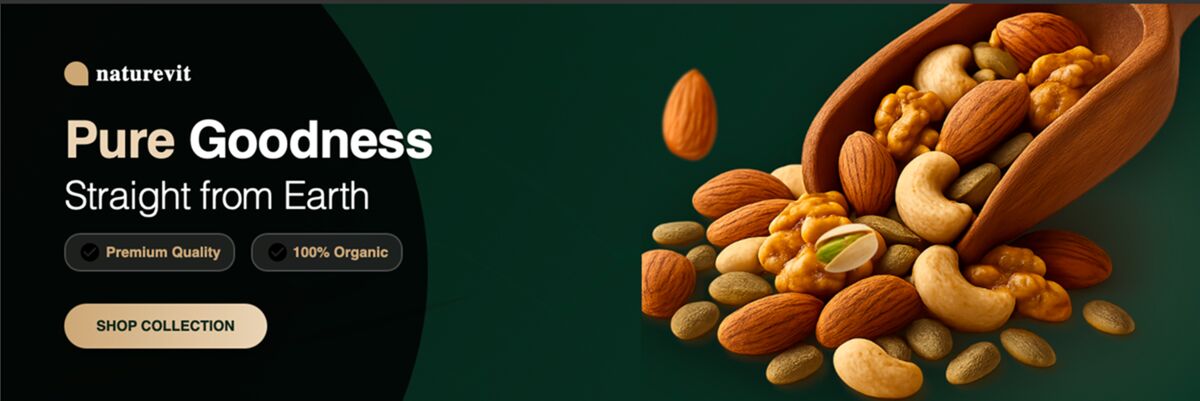
Start with the piece that drives the most clicks: the email hero image or promotional banner. It should be high‑resolution, on‑brand, and contain the primary message.
- Export the master file from Figma or Canvas as a layered PSD.
- Save a clean copy without text overlays for maximum flexibility.
If the hero can't survive a 10‑second glance on Instagram, it won't survive the inbox.
Derive 10 Ready‑to‑Publish Formats
- Email hero (full width)
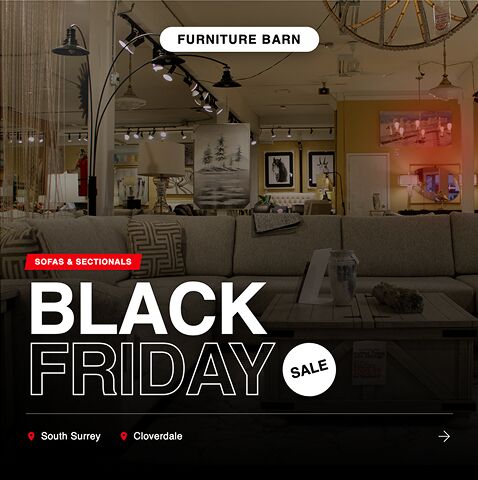
- SMS graphic (1080×1080)
- Instagram carousel (1080×1080 each)
- Facebook ad static (1200×628)
- LinkedIn sponsored image (1200×628)
- Pinterest pin (1000×1500)
- Story tile for Instagram/Facebook (1080×1920)
- TikTok thumbnail (1080×1080)
- Retargeting banner (300×250)
- Newsletter header (600×200)
Each format inherits the core visual but swaps aspect ratios, copy hierarchy, and call‑to‑action placement.
Build an Asset Library in Minutes
Create a master component library in Figma. Use auto‑layout constraints so a single color or text change ripples across all 10 versions.
- Duplicate the master frame for each format.
- Apply preset masks for Instagram carousel, stories, and ads.
- Tag each layer with a clear naming convention (e.g., hero‑email‑bg).
A well‑named layer is worth an hour of hunting for the right asset.
Leverage AI to Generate Editable Variants
When the brief calls for a fresh look, feed the master description into Email Header Maker. The AI outputs fully editable files that drop straight into your Figma library.
Unlike Canva templates, the output is not a flat PNG—it preserves text layers, brand fonts, and color tokens, so your copy team can tweak headlines without designer hand‑off.
Integrate A/B Testing Across All Formats
Set up parallel versions in Klaviyo or Mailchimp: hero‑A vs. hero‑B, SMS‑A vs. SMS‑B. Because each variant lives in the same component file, you can swap them with a single click.
- Track click‑through rates per format in Litmus.
- Map performance back to the original asset to see which ratios win.
Scale the System with a Weekly Cadence
Allocate two hours every Monday for bulk asset creation. Pull the upcoming promotion brief, generate the core hero with DesignLumo, and spin out the 10 formats before the week’s copy deadline.
Result: the agency eliminates ad‑hoc design requests, reduces turnaround from 48 hours to under 8, and gains a reusable visual inventory that fuels every channel.
Topics covered
Create with DesignLumo
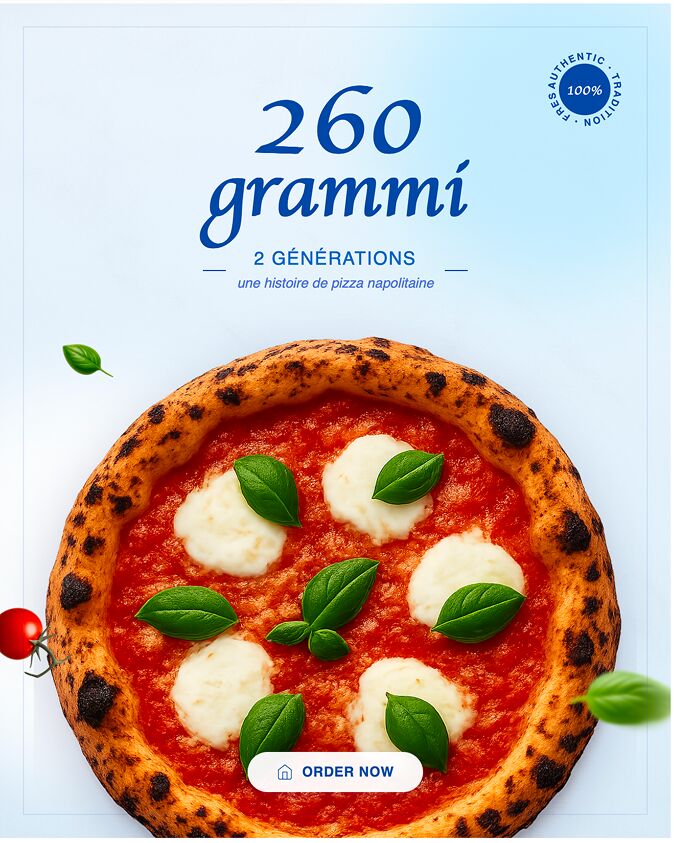
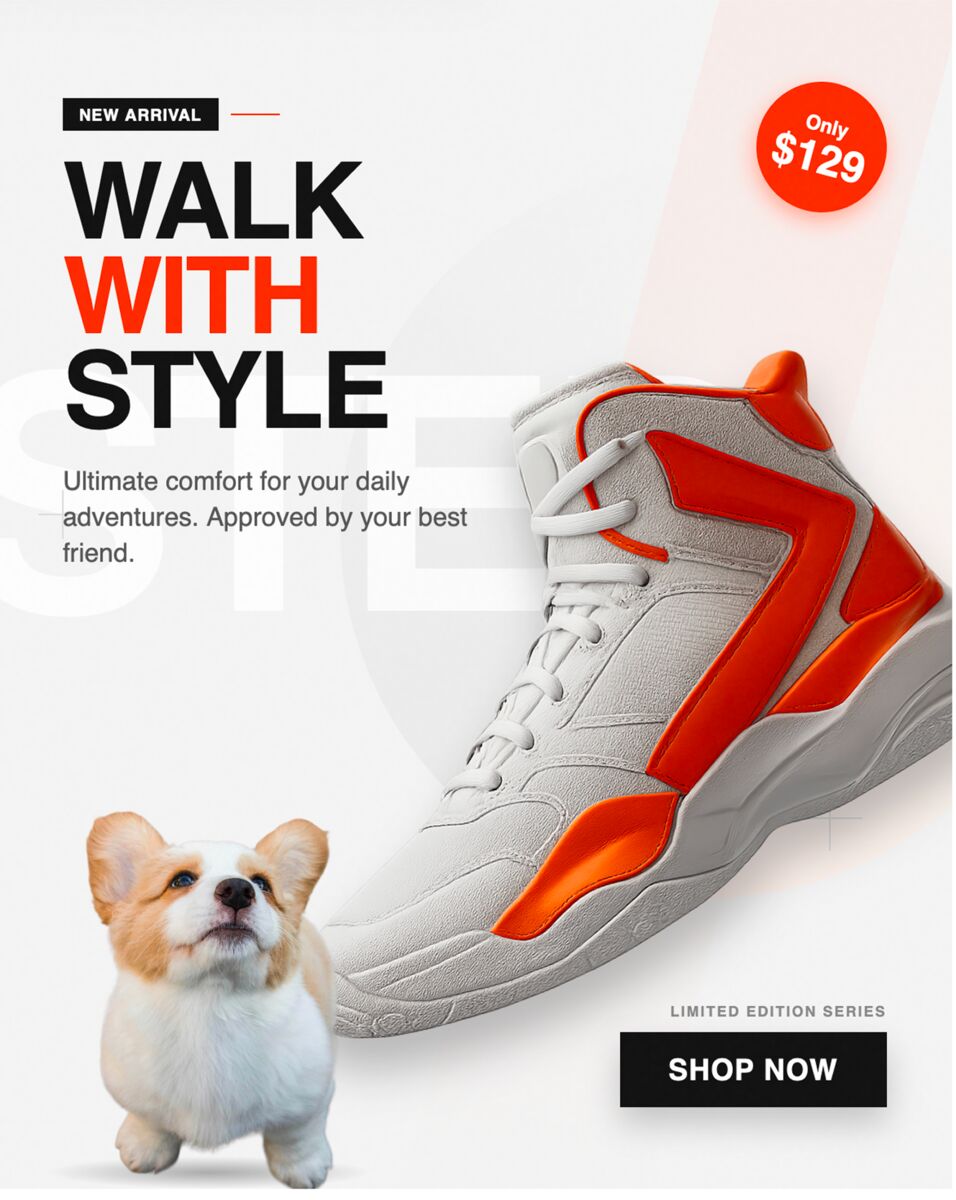
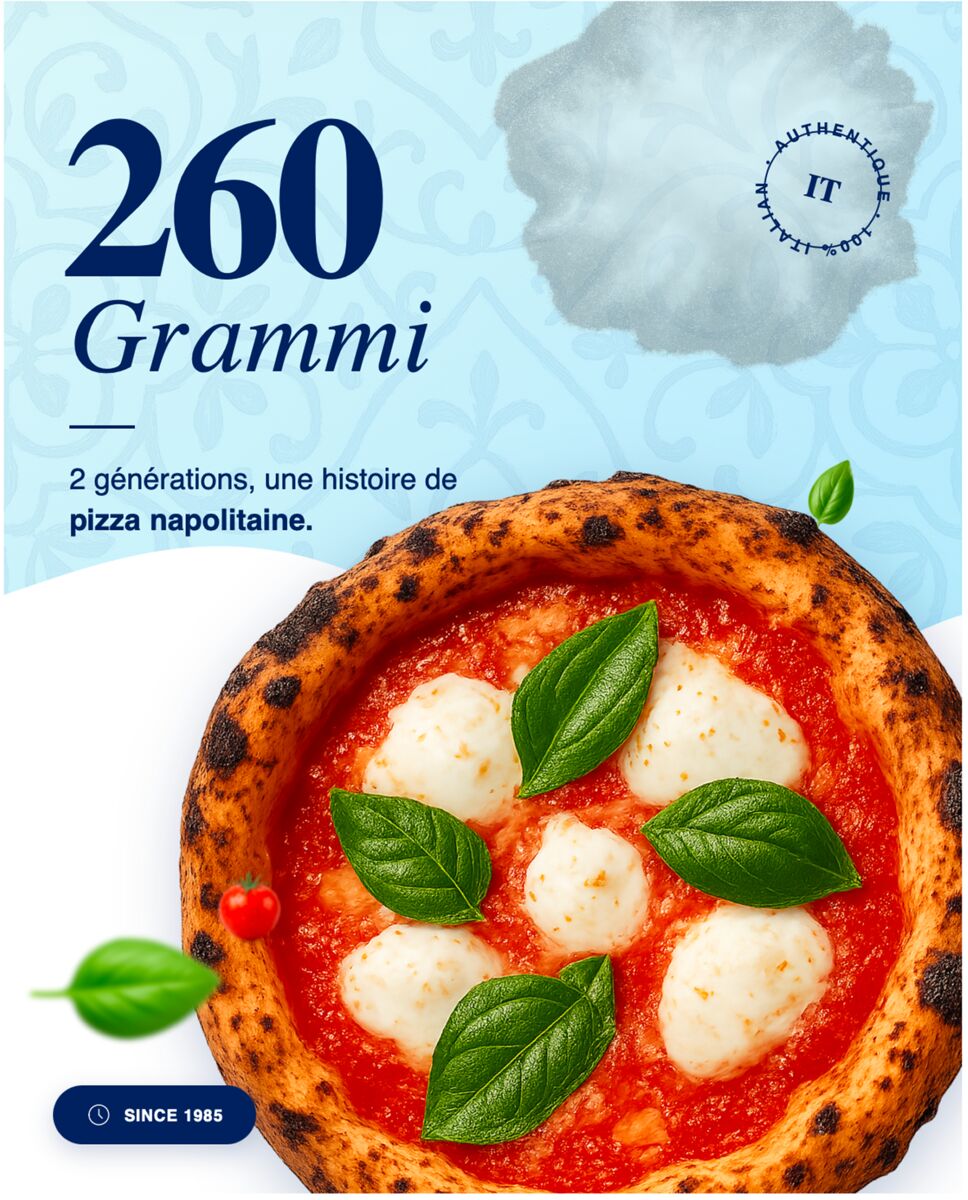
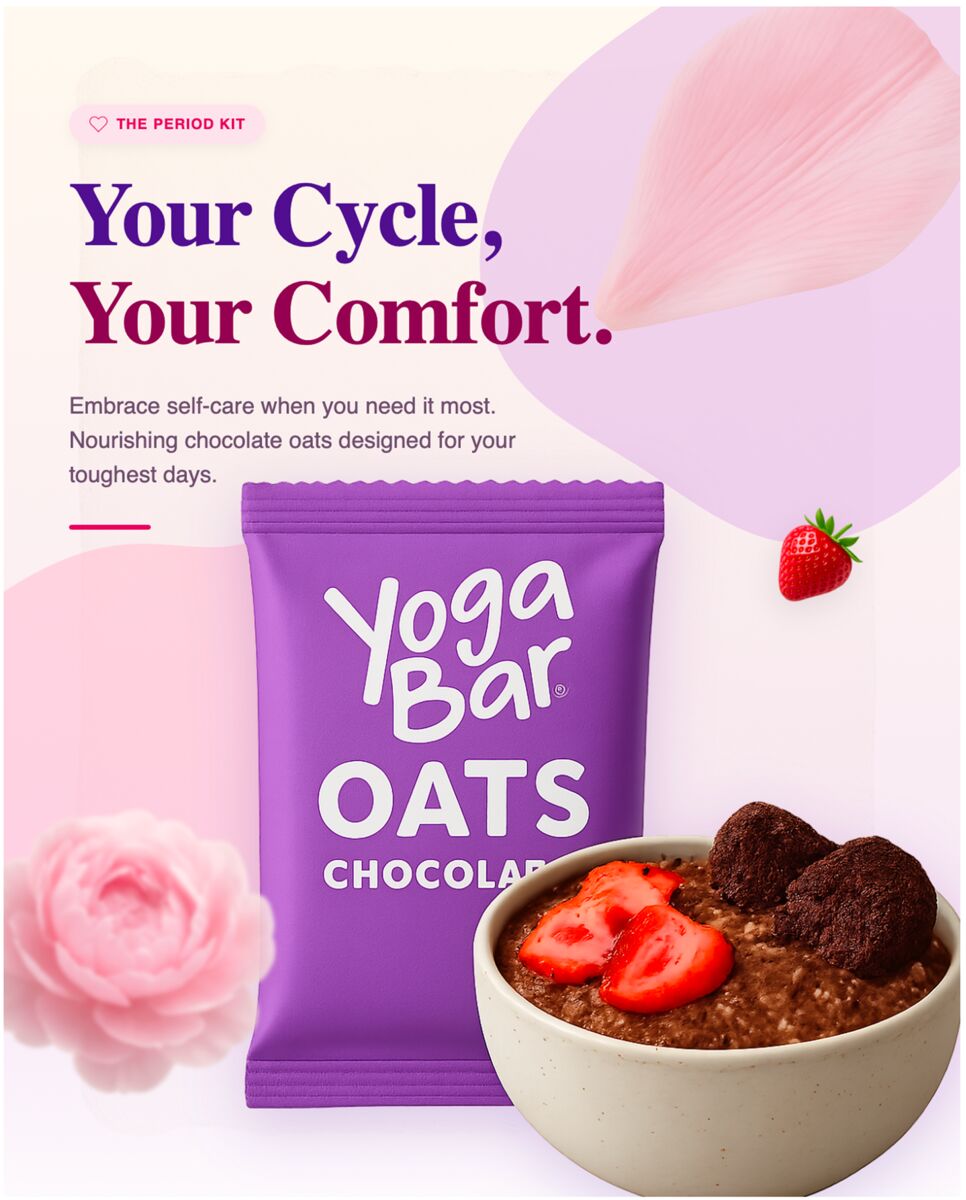



Ready to create your first design?
Join thousands creating professional designs in seconds.
Related articles
A/B Testing Email Visuals: What Actually Moves the Needle for Agencies
Learn which email header and hero image elements to A/B test, how to structure experiments, and read results that boost e‑commerce and SaaS campaigns.
A/B Testing Ad Visuals: What Actually Moves the Needle for YouTube Growth Agencies
Learn the visual elements that truly boost thumbnail CTR for YouTube agencies, how to structure A/B tests, and read results that drive growth.
The Email Creative Brief Template Performance Agencies Need
A fill‑in‑the‑blank email creative brief that cuts revisions, speeds hero image production, and powers A/B testing for e‑commerce and SaaS campaigns.