Setting Up a Client Portal for Creative Delivery and Approval
Learn how Facebook & Meta ad agencies can build a client portal that speeds creative delivery, A/B testing, and approvals while cutting creative fatigue.
Creative fatigue hits when you need 10+ variants for a single campaign and every version lands in a separate email thread. The result? Missed deadlines, version confusion, and a slower feedback loop.

Why a Dedicated Portal Beats Email Chains
A single, organized hub turns a chaotic sprint into a predictable delivery engine.
Pick a Platform That Scales With Meta Campaigns
Not every file‑sharing tool handles the volume of assets agencies produce. Look for version control, granular permissions, and built‑in commenting.
- Notion – flexible pages, embedded embeds, and real‑time comments.
- Google Drive + Google Workspace – familiar, easy sharing, revision history.
- Frame.io – video‑first, but works well for static UGC assets.
Structure Your Folder Tree for Meta Ad Types
A predictable hierarchy lets anyone locate hook banners, retargeting visuals, or before/after creatives in seconds.
- Campaign_Name / Ad_Set / Creative_Type (Hook, UGC, Offer, Retarget).
- Each Creative_Type contains subfolders: Drafts, Approved, Assets (fonts, brand kit).
- Name files with version stamps, e.g., "SpringSale_Hook_v03.jpg".
Generate High‑Volume Variants with AI, Then Drop Them In
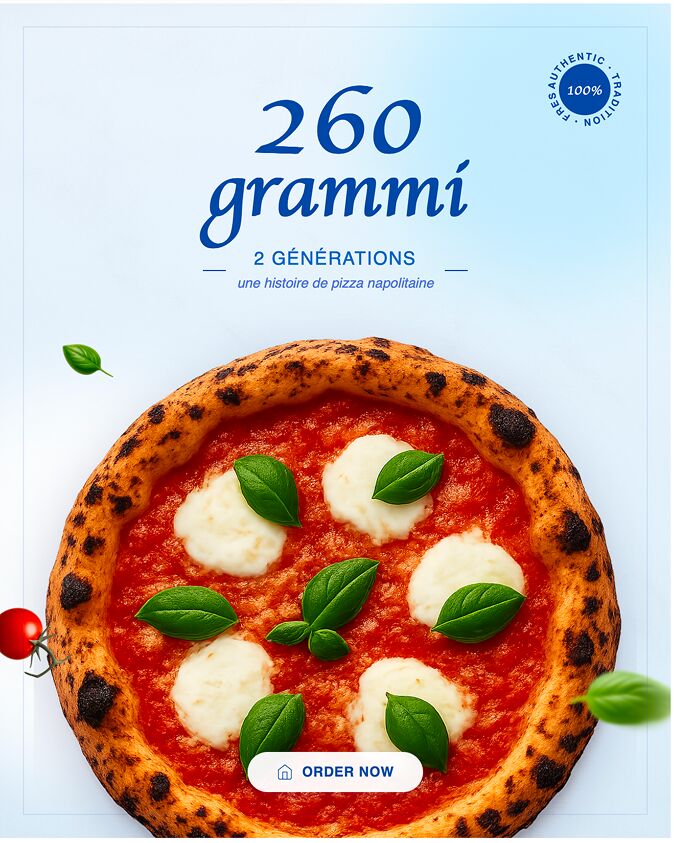
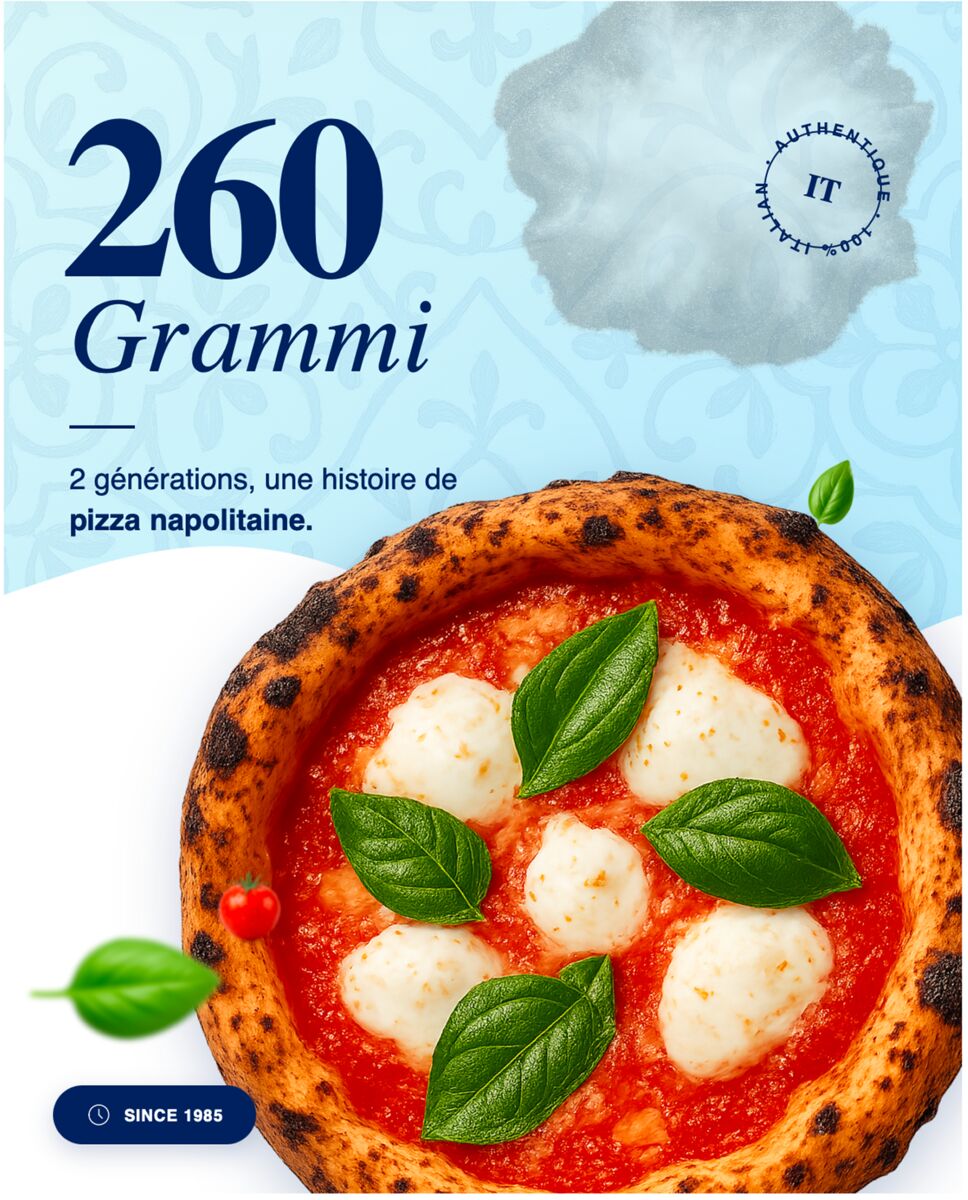
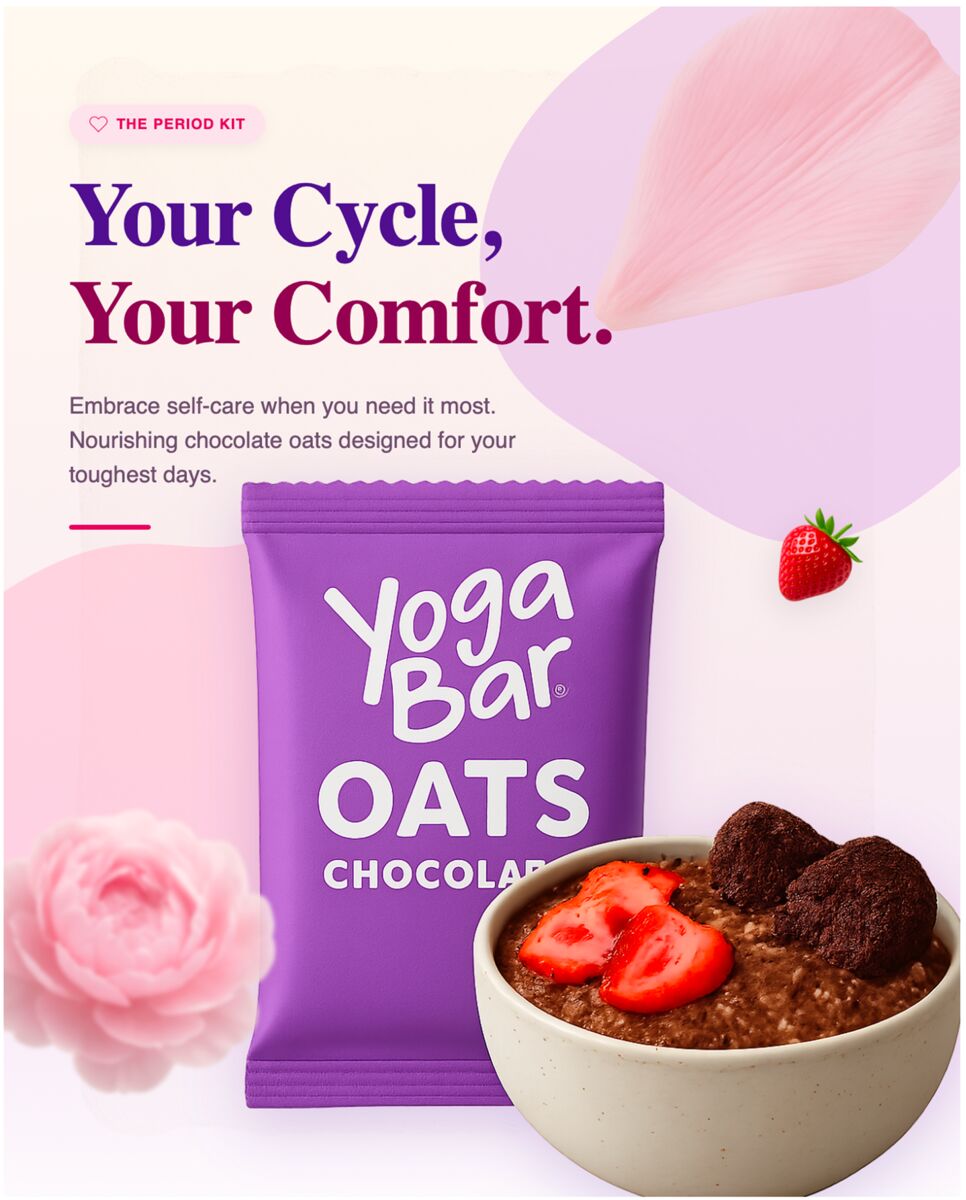
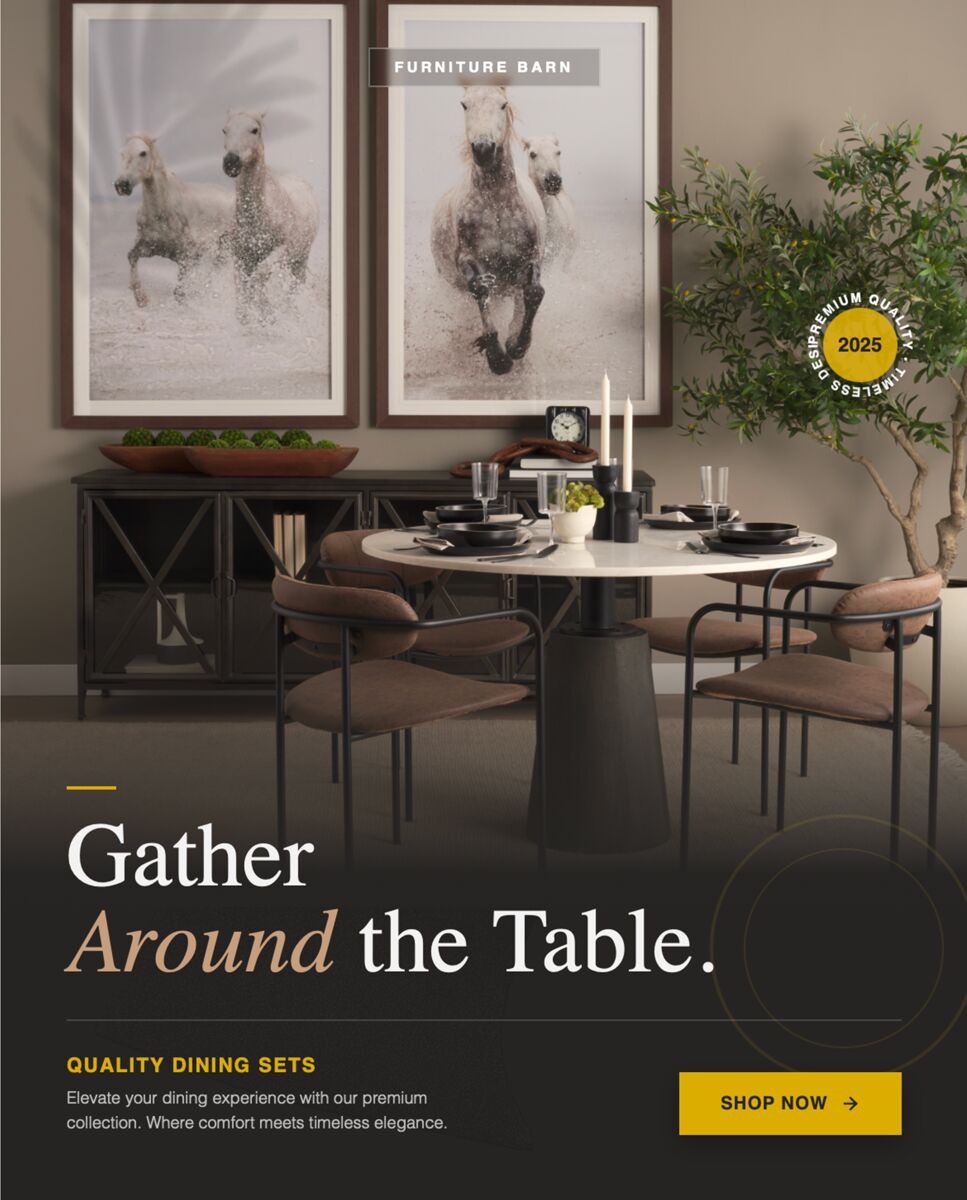
Instead of manually cloning a Photoshop file 10 times, let an AI‑native tool spin out fully editable layers. DesignLumo's Ad Creative Maker creates brand‑consistent variants in seconds, ready for immediate upload.
- Write a precise prompt (e.g., "UGC static for a $49/mo subscription, pastel palette").
- Select the brand kit and output size (1200×628 for Facebook feed).
- Export each variant as a layered .psd and place it in the Drafts folder.
Streamlined Review & Approval Workflow
Turn comments into actionable tasks. Use the platform’s tagging feature to assign feedback directly to the designer.
- Client opens the Drafts folder and adds comments on specific layers.
- Designer updates the .psd, saves a new version, and moves it to the Approved folder.
- A Slack or Teams webhook notifies the account manager that the asset is live.
When approval lives inside the same folder as the source file, you eliminate the “lost in translation” step.
Measure Portal Efficiency to Keep the Sprint Tight
Track a few simple KPIs to prove the portal is cutting time and reducing errors.
- Average time from draft upload to client approval (target < 24 hrs).
- Number of version iterations per asset (aim for ≤ 2).
- Percentage of assets delivered on schedule versus delayed.
Iterate on the folder layout and notification rules based on these numbers, and the portal becomes a self‑optimizing engine for every Meta ad sprint.
Topics covered
Create with DesignLumo








Ready to create your first design?
Join thousands creating professional designs in seconds.
Related articles
A/B Testing Email Visuals: What Actually Moves the Needle for Agencies
Learn which email header and hero image elements to A/B test, how to structure experiments, and read results that boost e‑commerce and SaaS campaigns.
A/B Testing Ad Visuals: What Actually Moves the Needle for YouTube Growth Agencies
Learn the visual elements that truly boost thumbnail CTR for YouTube agencies, how to structure A/B tests, and read results that drive growth.
The Ad Creative Brief Template for Performance Agencies
A fill‑in‑the‑blank Facebook ad brief that cuts revisions, speeds up 10+ variant creation, and beats creative fatigue for performance marketers.