Faster Client Approval: A Practical Workflow
Cut LinkedIn carousel approval time from weeks to days with a proven workflow for B2B agencies—structured briefs, AI‑generated designs, and real‑time feedback.
Agencies often spend 40‑60% of a project’s budget on revisions alone. Executives juggle multiple priorities, so email threads balloon into weeks of waiting.

The hidden cost of endless back‑and‑forth
When approvals stretch, the content calendar slips, engagement metrics dip, and the agency’s ROI erodes. The first step to faster cycles is to make the bottleneck visible.
“If you can’t see the delay, you can’t fix it.” – Senior Creative Director, SaaS agency
One‑page brief that removes ambiguity
Create a reusable brief template that captures the four variables executives care about: objective, key data points, brand voice, and visual must‑haves.
- Objective – e.g., announce new pricing tier
- Data points – % growth, timeline, target audience
- Voice – authoritative yet approachable
- Visual cues – brand colors, logo placement, icon style
Send the brief as a single PDF or Google Doc. Require a 24‑hour sign‑off before any design work begins. This contracts the scope and eliminates scope creep.
AI‑first design that skips the template trap
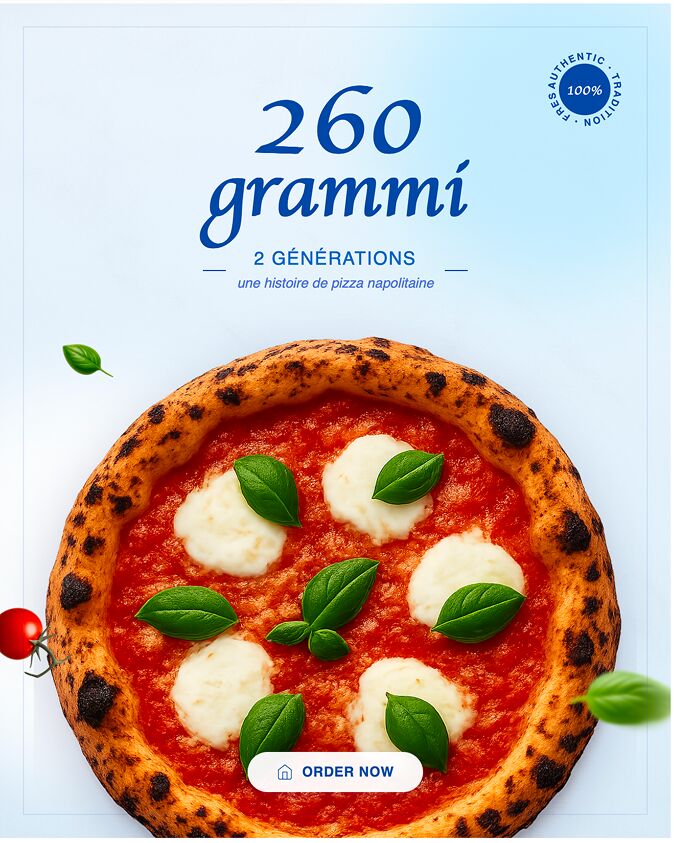
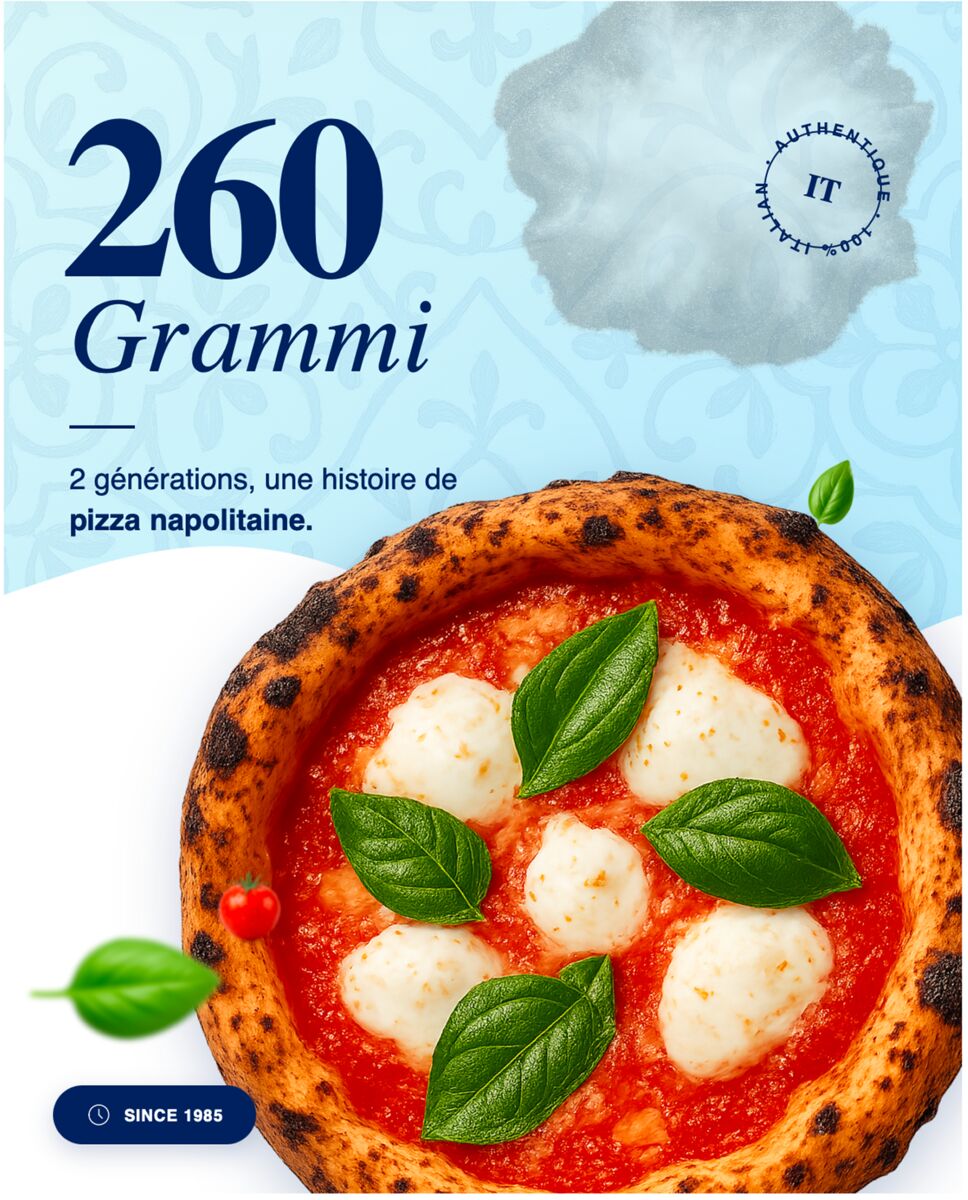
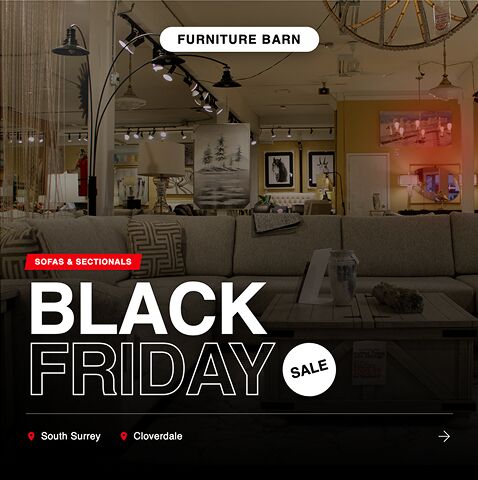
Instead of hunting Canva templates, generate the carousel from scratch with an AI‑native tool. DesignLumo creates fully editable layers, so you keep brand fidelity without manual rebuilding.
Start the design in the LinkedIn Post Maker. Feed the brief’s key data points and let the platform output a ready‑to‑tweak carousel.
“Templates lock you into a style; AI generation lets you pivot instantly while staying editable.”
Single‑deck presentation for crystal‑clear review
Consolidate all carousel slides, copy variants, and data charts into one Figma file or shared PDF. Label each slide with a short code (e.g., C1‑Header, C2‑Stat).
- Hide design rationale in notes – “Why we chose this icon”
- Include a ‘decision log’ page for each revision
- Provide export previews for LinkedIn’s 1080 × 1080 format
When executives open the deck, they see the entire narrative, not isolated images. This reduces the need for “can we move the logo?” emails.
Real‑time feedback loop with version control
Use a comment‑enabled platform (Figma, Google Slides, or Notion). Require that each comment includes a clear action item and a deadline.
- Day 1: Executive adds comments
- Day 2: Designer updates and marks each comment as resolved
- Day 3: Quick 15‑minute sync (if needed) and final sign‑off
Because the file is fully editable, you never export a new PNG for each tweak. The final version is ready to schedule in Buffer or Hootsuite within minutes.
Measure the impact and iterate
Track three metrics in Shield Analytics: approval turnaround (days), publish lag (days), and first‑week engagement (likes, comments, shares).
- Goal: <2 days approval, <1 day publish lag
- Benchmark: 5‑7 days approval for most agencies
- Target: 30% lift in engagement after cycle reduction
When the numbers move, you have concrete proof of the workflow’s ROI. Share the results with the client to reinforce the value of the streamlined process.
Topics covered
Create with DesignLumo












Ready to create your first design?
Join thousands creating professional designs in seconds.
Related articles
A/B Testing Email Visuals: What Actually Moves the Needle for Agencies
Learn which email header and hero image elements to A/B test, how to structure experiments, and read results that boost e‑commerce and SaaS campaigns.
A/B Testing Ad Visuals: What Actually Moves the Needle for YouTube Growth Agencies
Learn the visual elements that truly boost thumbnail CTR for YouTube agencies, how to structure A/B tests, and read results that drive growth.
Ad Creative Formats That Actually Convert in 2026
Discover the 4 LinkedIn ad creative formats that drive real B2B leads in 2026 and how agencies can produce them at scale with AI tools.